Skip to content
As the global energy landscape continues to evolve, the Caribbean stands at a critical turning point where sustainable development, energy security, and climate resilience are no longer optional — they are essential. With rising fuel costs, increasing climate-related disruptions, and growing demand for reliable electricity, the region must accelerate its transition toward renewable energy. While solar, wind, battery storage, and electric mobility technologies are advancing rapidly, the true foundation of a resilient and modern energy system lies in one fundamental resource: people. A trained, skilled, and certified workforce is the key to future-proofing Caribbean energy systems and ensuring long-term sustainability across all islands.
In recent years, the Caribbean has witnessed a significant rise in renewable energy adoption. Solar photovoltaic systems have become more accessible, electric vehicles are entering the market, and governments are integrating clean energy targets into national development plans. However, the rapid expansion of renewable technologies requires a workforce that understands not only installation, but also design, maintenance, grid integration, safety protocols, and evolving international standards. Without proper technical training, the region risks inefficient installations, system failures, safety hazards, and missed opportunities for innovation. This is where workforce development becomes a national and regional priority.
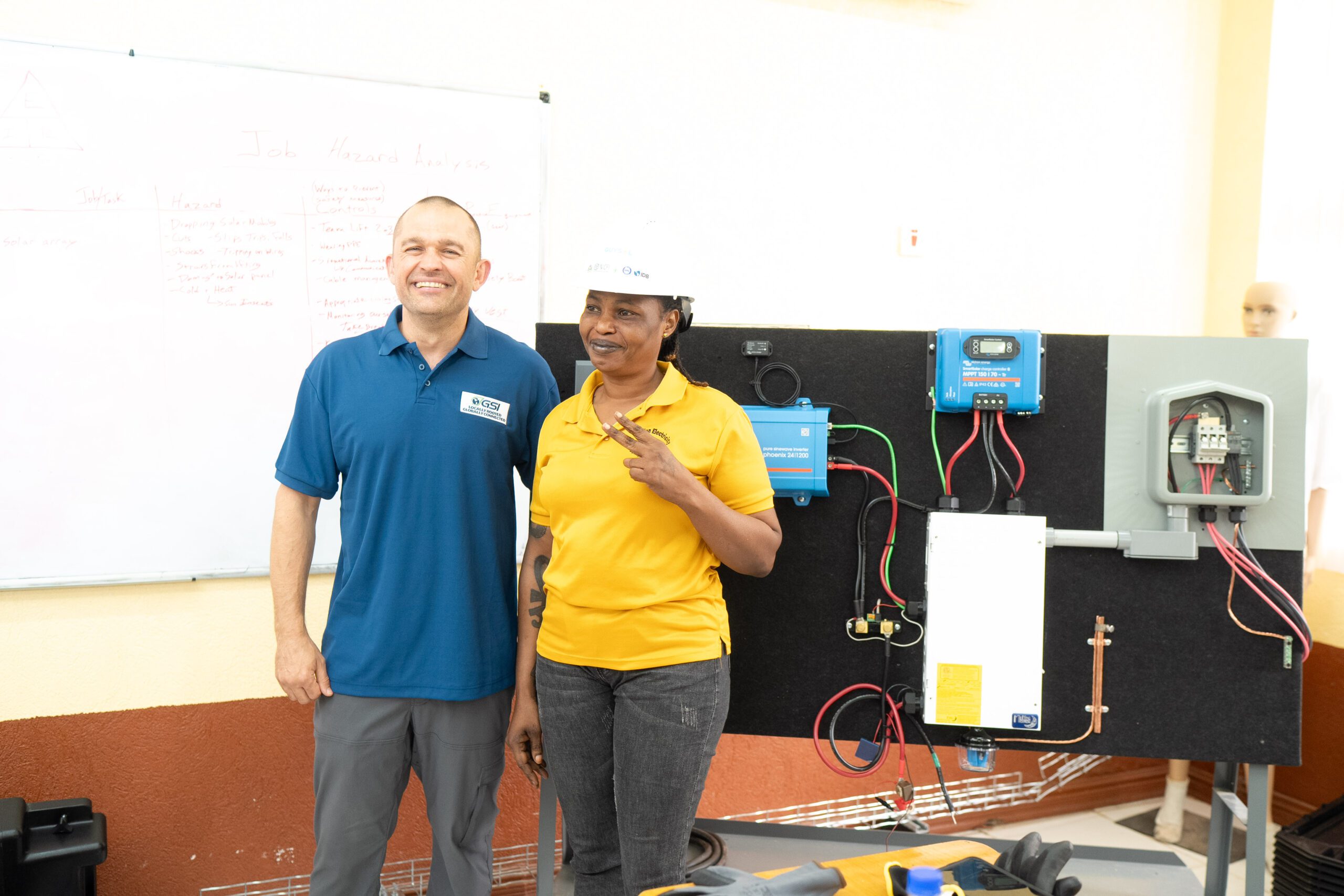
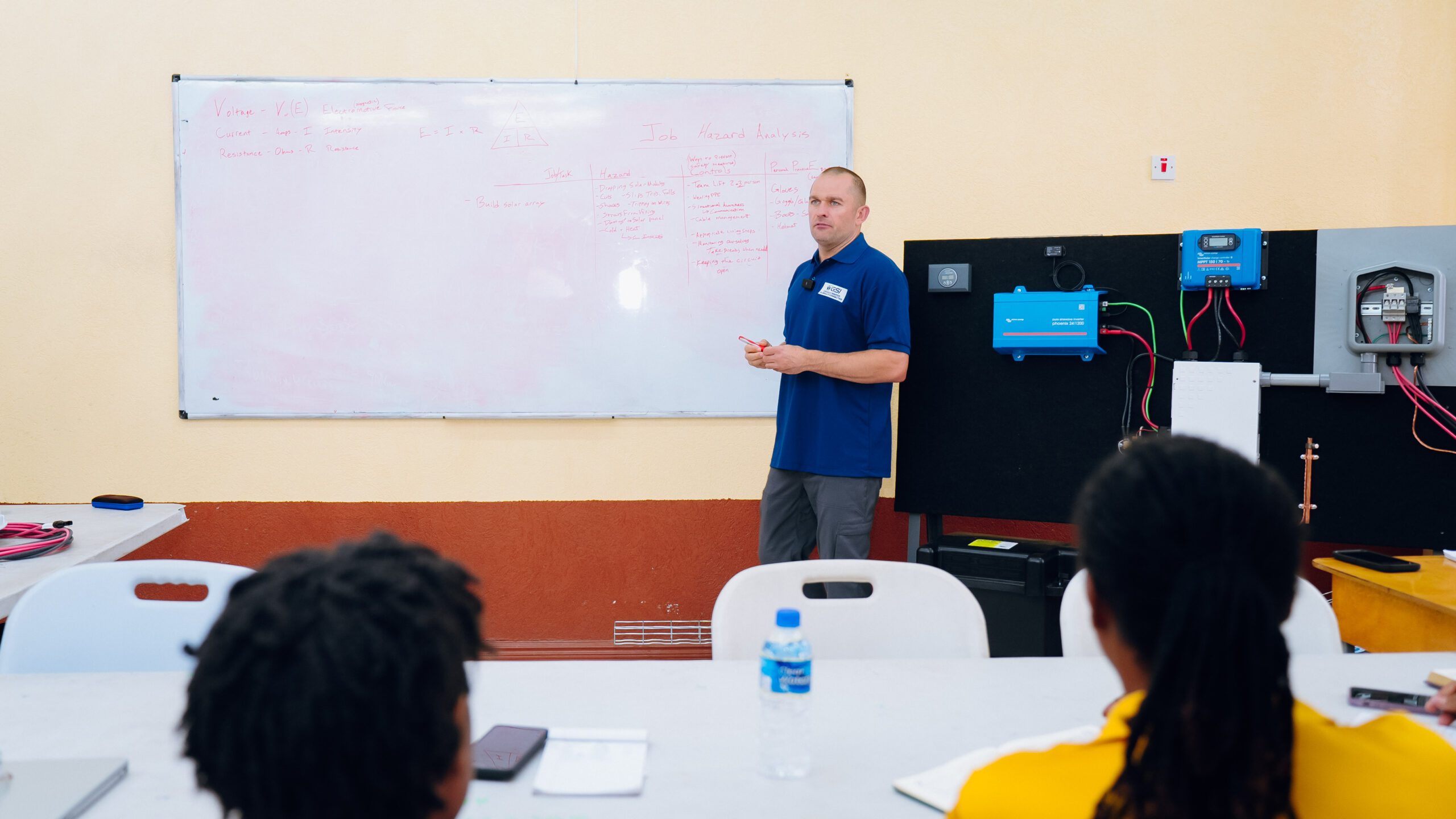
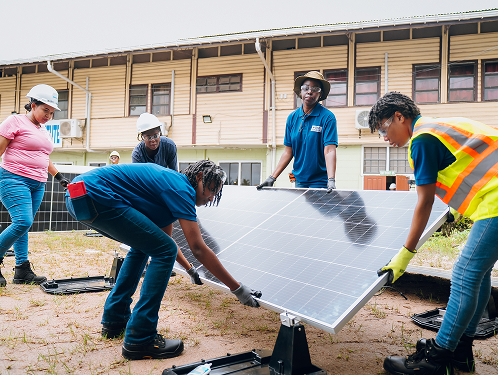
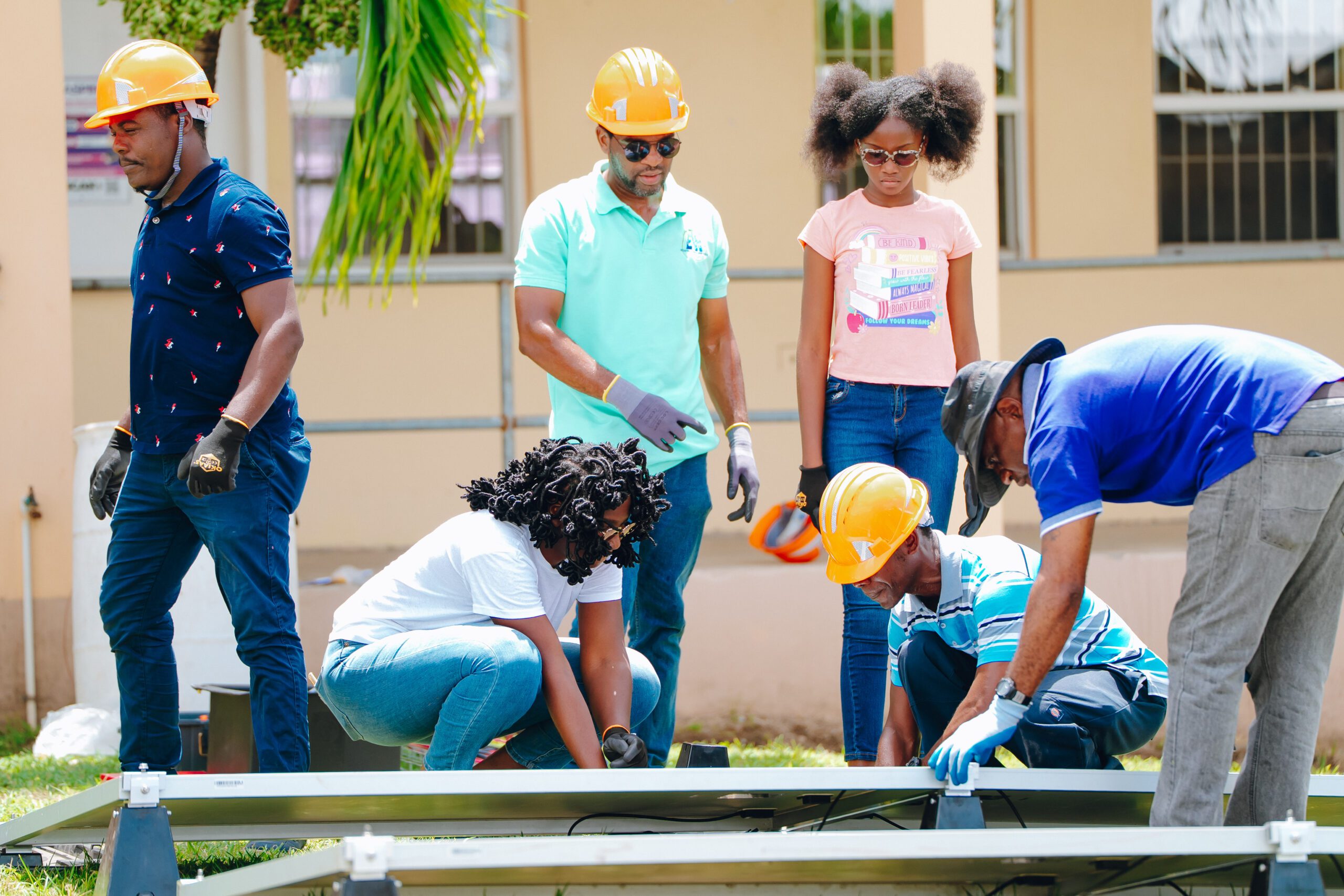
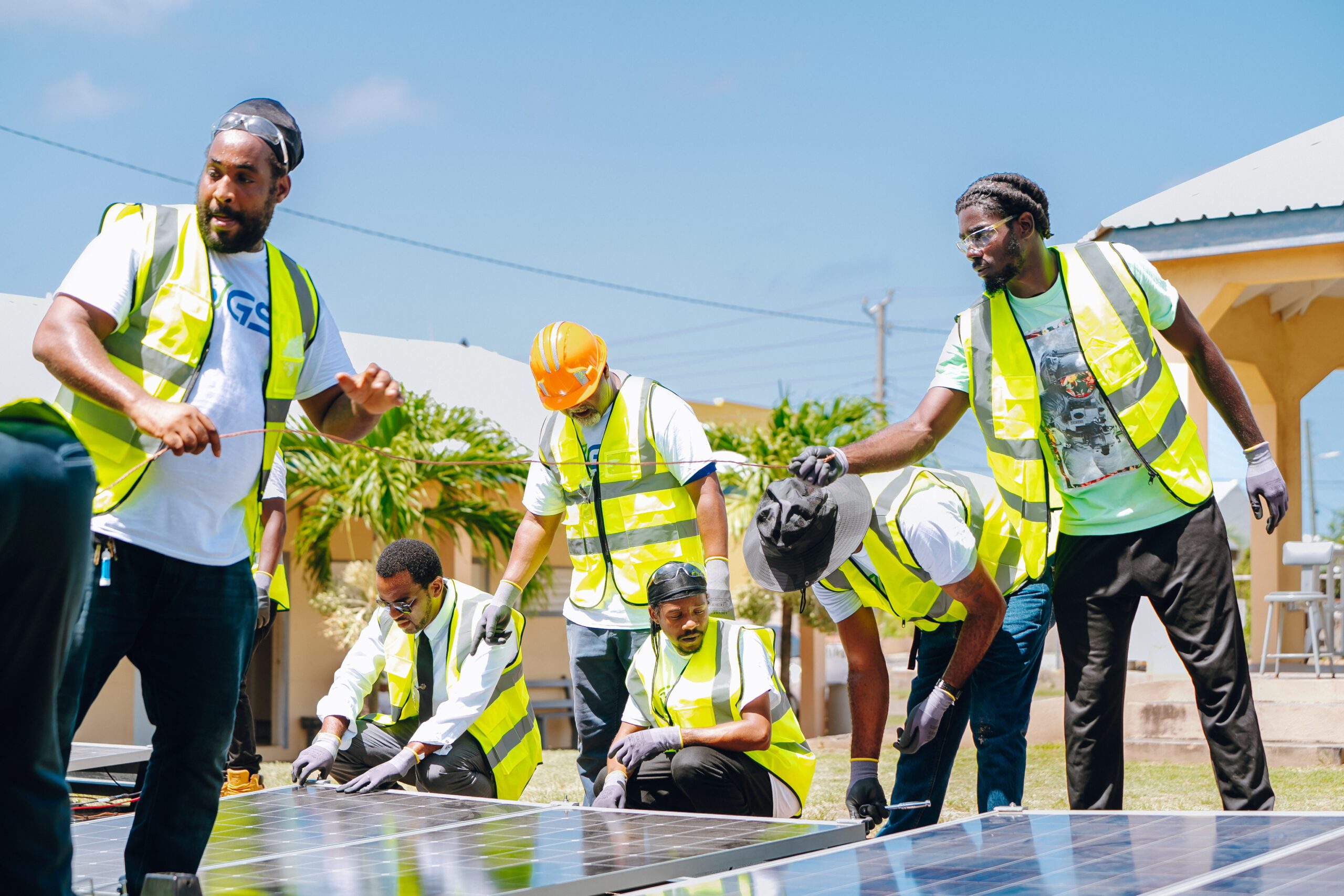
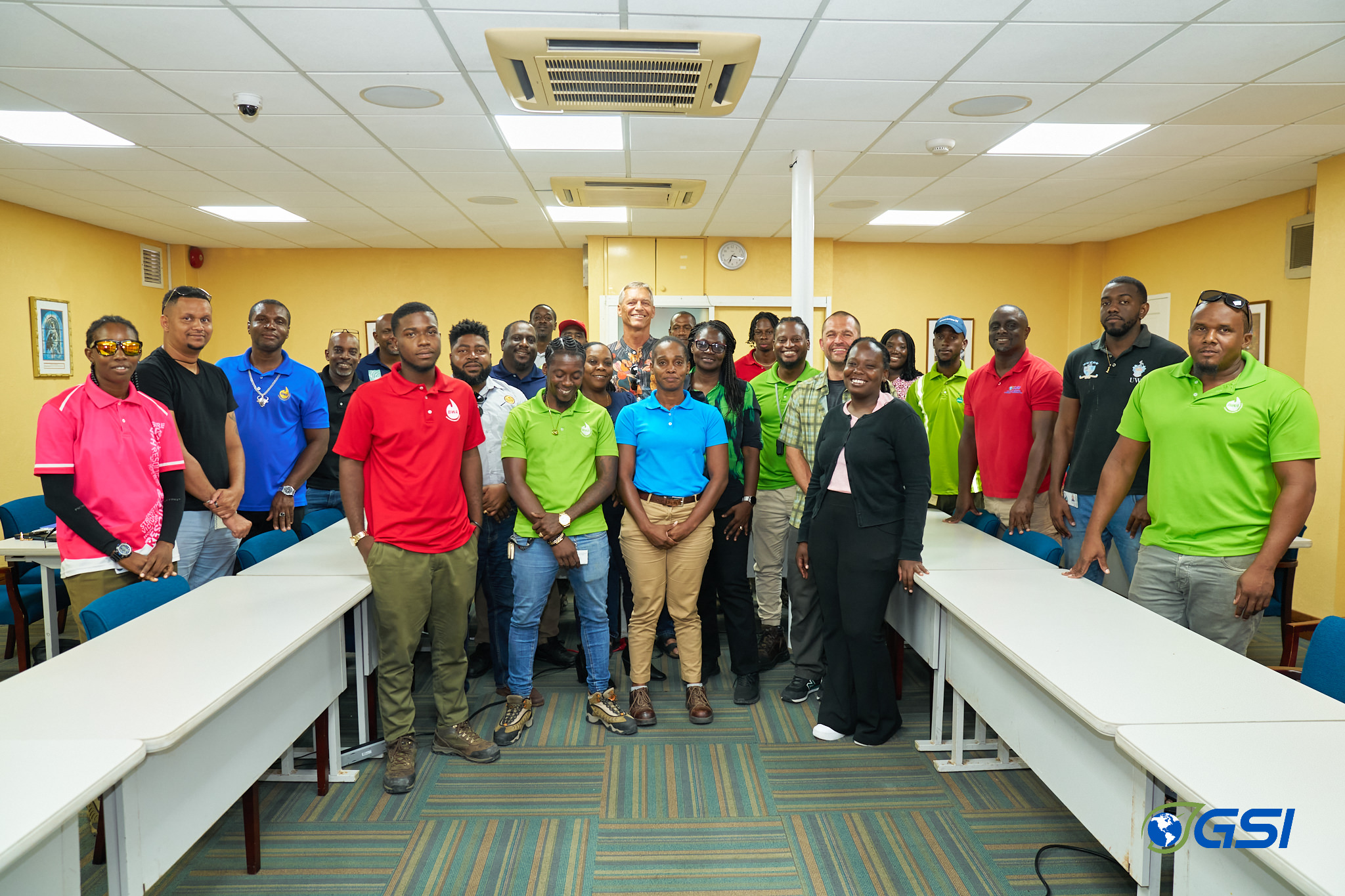
Organizations such as Green Solutions International SKN Inc. (GSI) are leading this transformation by providing globally recognized training programs that support the Caribbean’s clean energy transition. Through certifications like the North American Board of Certified Energy Practitioners (NABCEP) and the Institute of the Motor Industry (IMI) for electric vehicle technology, GSI is equipping professionals, students, and technicians with world-class expertise. These certifications help ensure that solar PV systems are installed safely and effectively, electric vehicle maintenance meets international best practices, and energy projects align with global safety and performance benchmarks. With each trained technician, inspector, and designer, the Caribbean becomes more resilient and better prepared for the rapidly changing energy landscape.
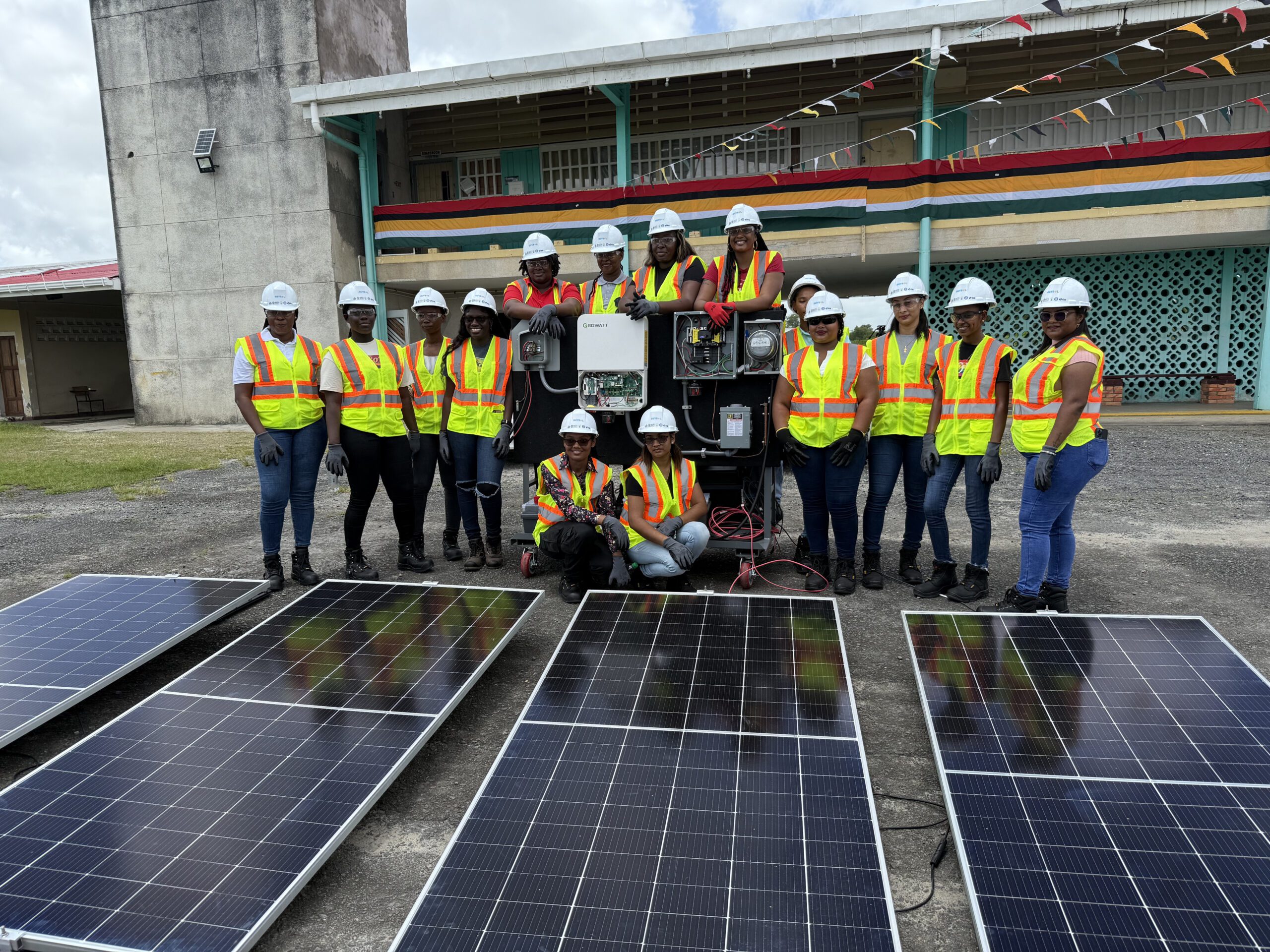
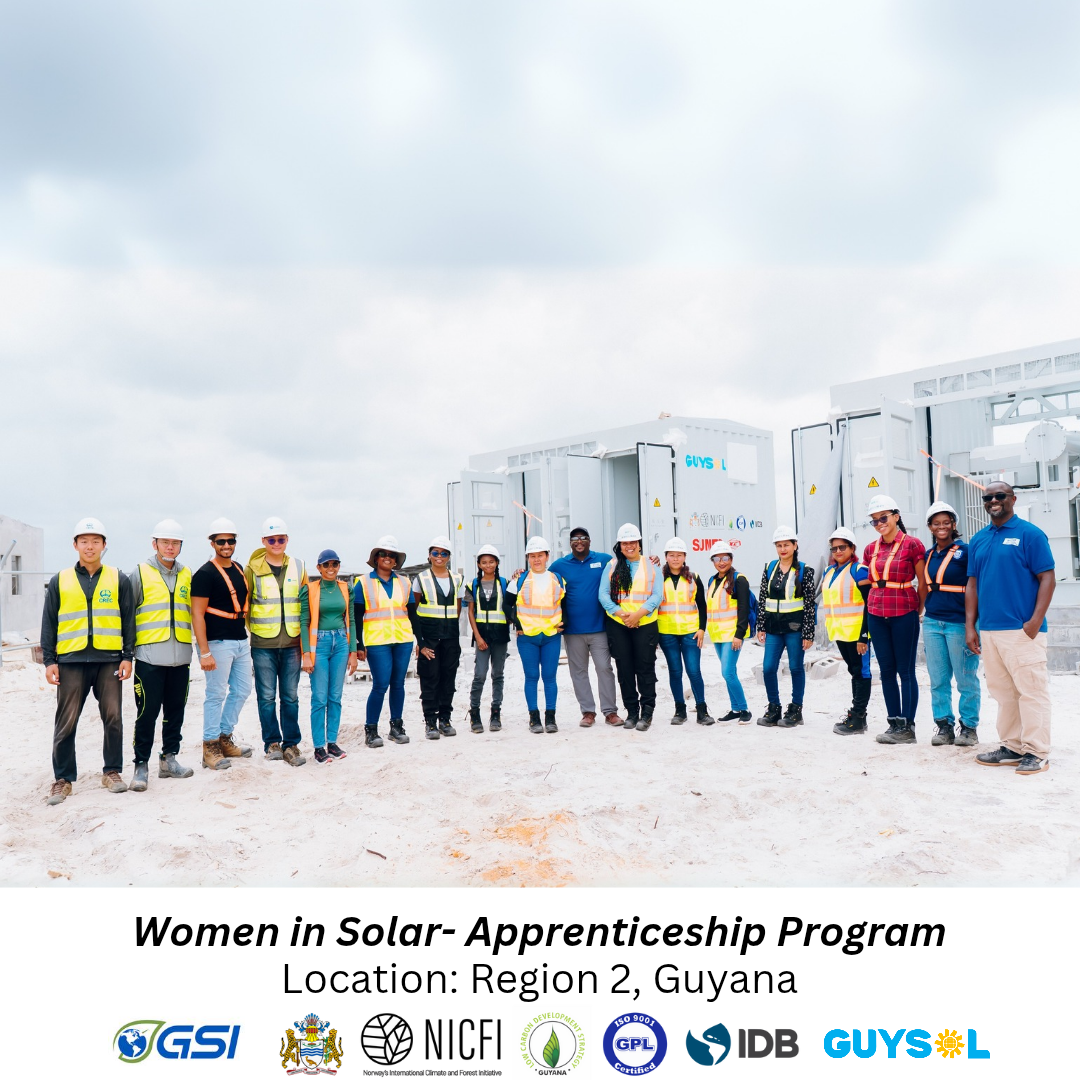
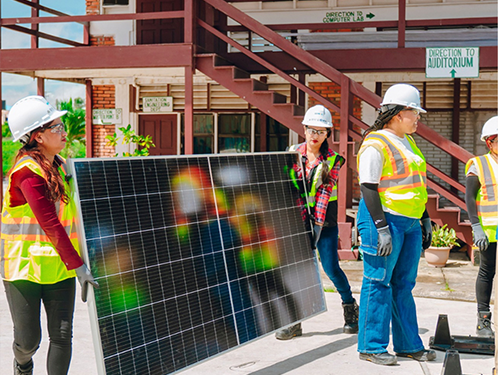
Renewable energy adoption also creates new economic opportunities for Caribbean citizens. As the demand for skilled labor grows, so does the potential for job creation in installation, inspection, system design, project management, battery storage, microgrid development, and EV maintenance. Workforce training empowers individuals to secure stable, high-quality jobs while supporting national goals for clean energy expansion. For many youth and women in the region, renewable energy training is opening doors to careers that did not exist a decade ago. This not only strengthens local economies but also ensures that clean energy sectors remain inclusive and community-driven.
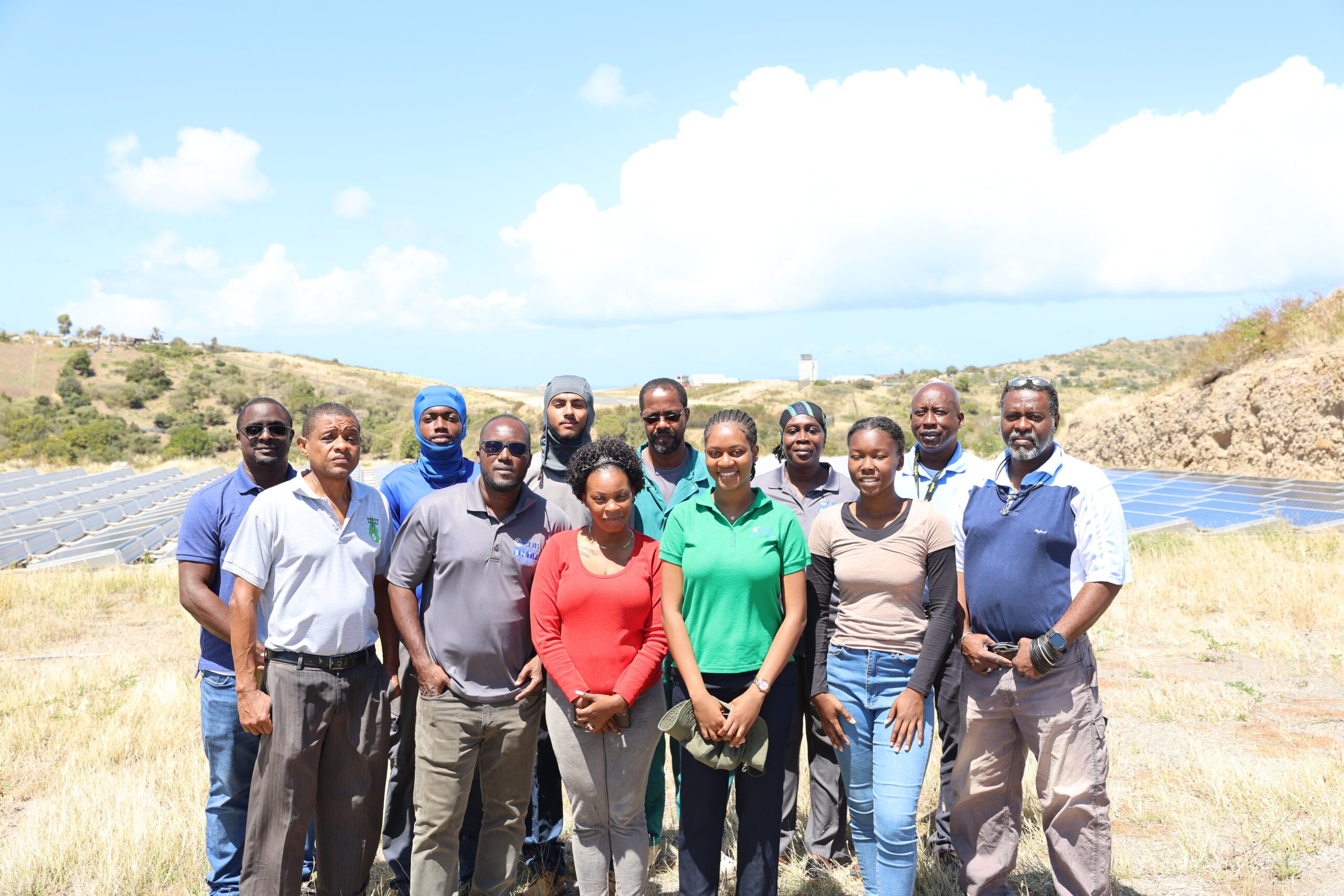
The Caribbean’s geographic vulnerabilities further highlight the importance of a highly trained workforce. Hurricanes, flooding, and other natural disasters frequently damage power infrastructure, causing prolonged outages. A resilient energy system requires technicians who can quickly restore power, inspect damaged solar installations, and implement safe recovery procedures. Additionally, solar systems used in emergency shelters, health centers, and water supply facilities must be designed and maintained by professionals who understand disaster-resilient standards. Workforce training ensures that renewable technologies support communities during crises, making the region better equipped to respond to future challenges.
Collaboration between regional institutions and global partners is also essential for future-proofing energy systems. Partnerships with organizations such as USAID, the Caribbean Development Bank (CDB), the Organization of Eastern Caribbean States (OECS), and academic institutions enable the development of advanced curricula, technical workshops, and specialized training modules. These collaborations expand access to high-quality education and create opportunities for continuous professional development. As renewable technology evolves, ongoing training ensures that Caribbean professionals remain up to date with the latest advancements in solar design software, energy storage systems, EV safety protocols, and grid modernization techniques.
Another important aspect of future-proofing is the standardization of clean energy practices. By aligning with international codes and technical standards, the region ensures accountability, consistency, and long-term performance in renewable installations. Workforce training plays a central role in helping technicians understand and apply these standards, reducing risks and improving system reliability. When installers, inspectors, and designers adhere to global best practices, it increases consumer confidence and encourages more households and businesses to adopt renewable energy solutions.
Ultimately, future-proofing Caribbean energy systems is about building human capacity at every level — from community-based technicians to national energy planners. A well-trained workforce creates the backbone of a modern, resilient, and sustainable energy sector. It ensures that renewable energy projects are implemented safely, managed effectively, and scaled with confidence. As the Caribbean continues its clean energy journey, investments in workforce development will remain central to achieving long-term energy independence, reducing carbon emissions, and strengthening climate resilience across the region.
The Caribbean’s energy transition is not just about adopting new technologies; it is about empowering the people who will design, install, maintain, and innovate the systems that power the region for decades to come. By prioritizing workforce training today, the Caribbean is laying the foundation for a stronger, greener, and more secure energy future.