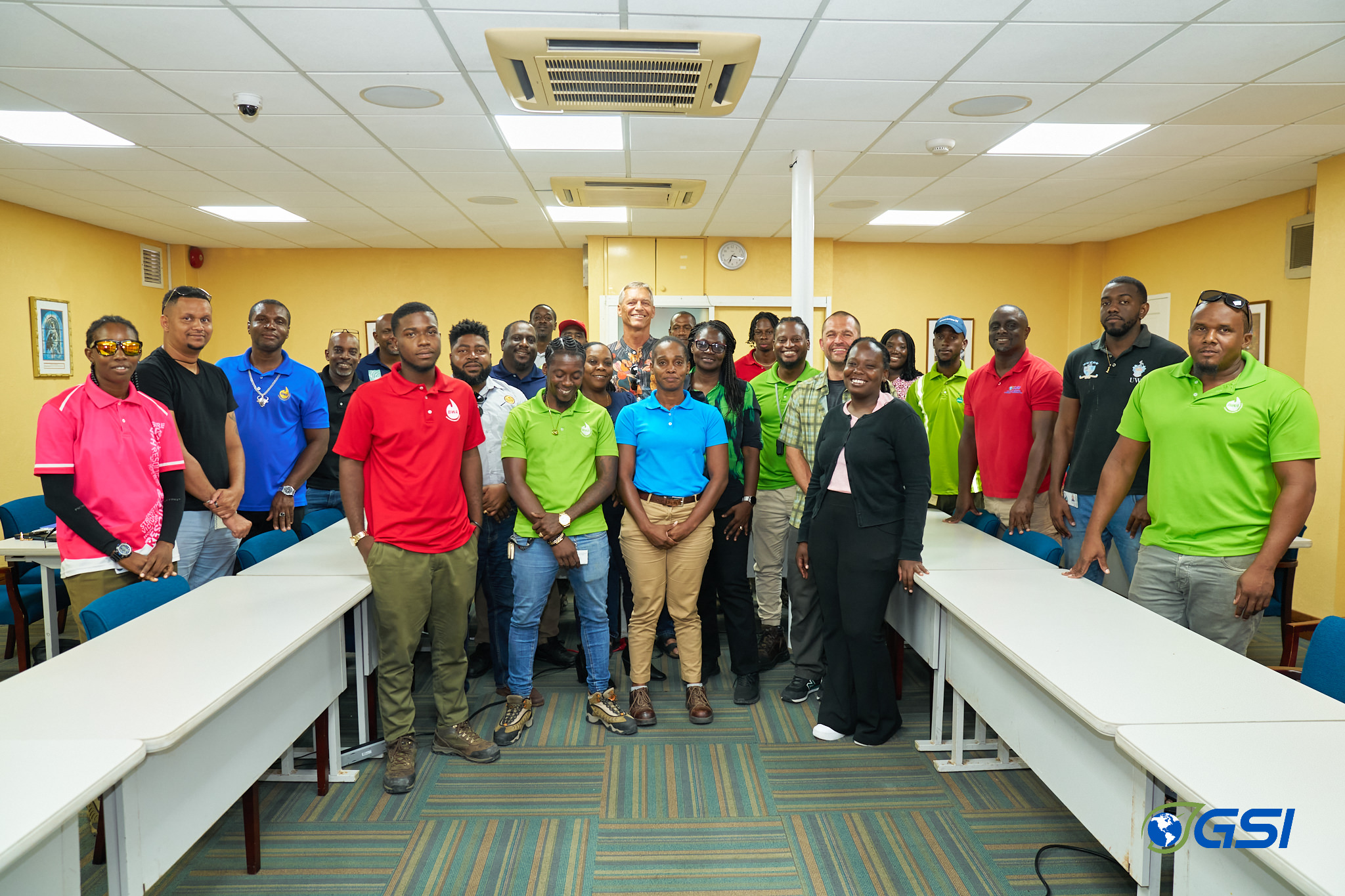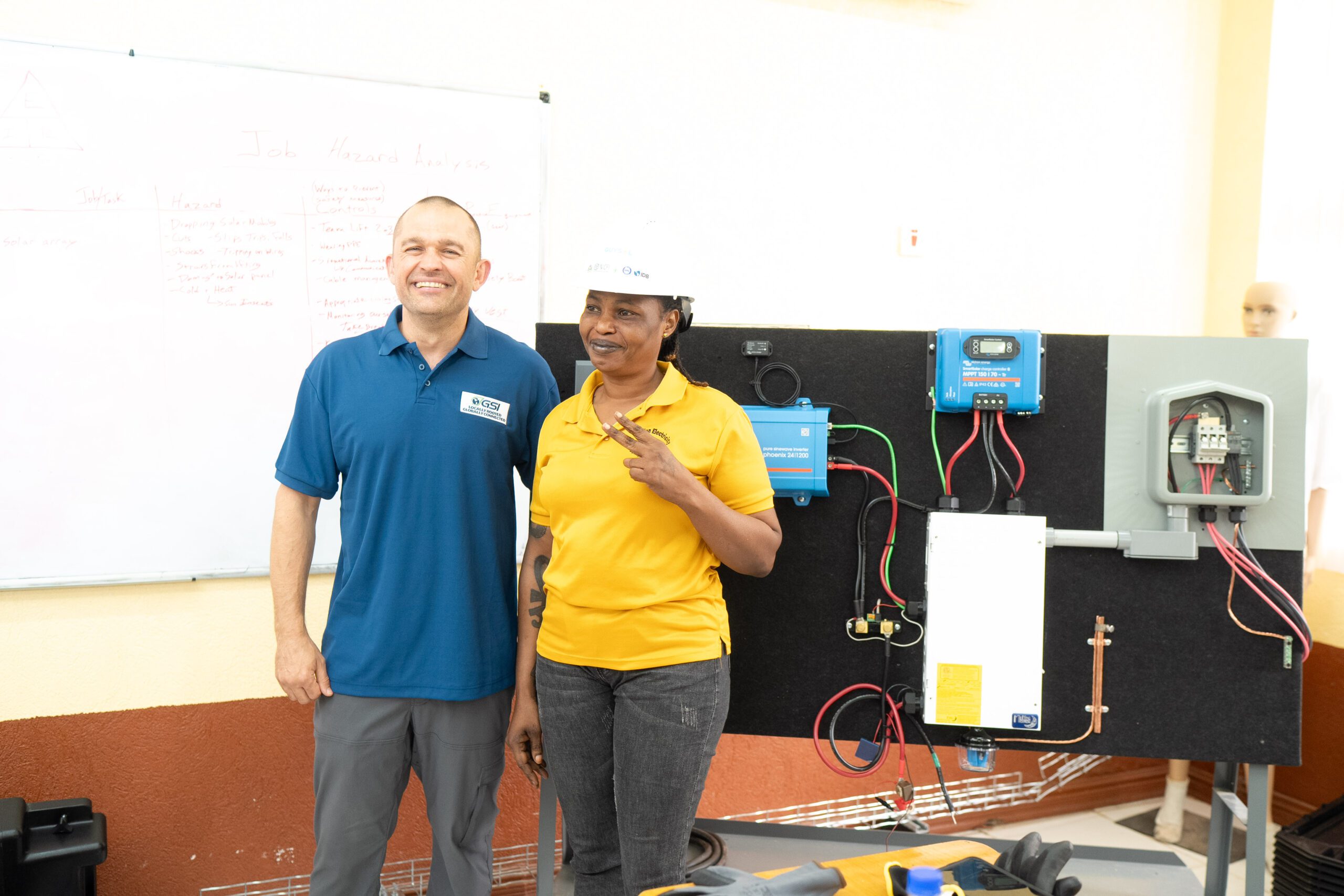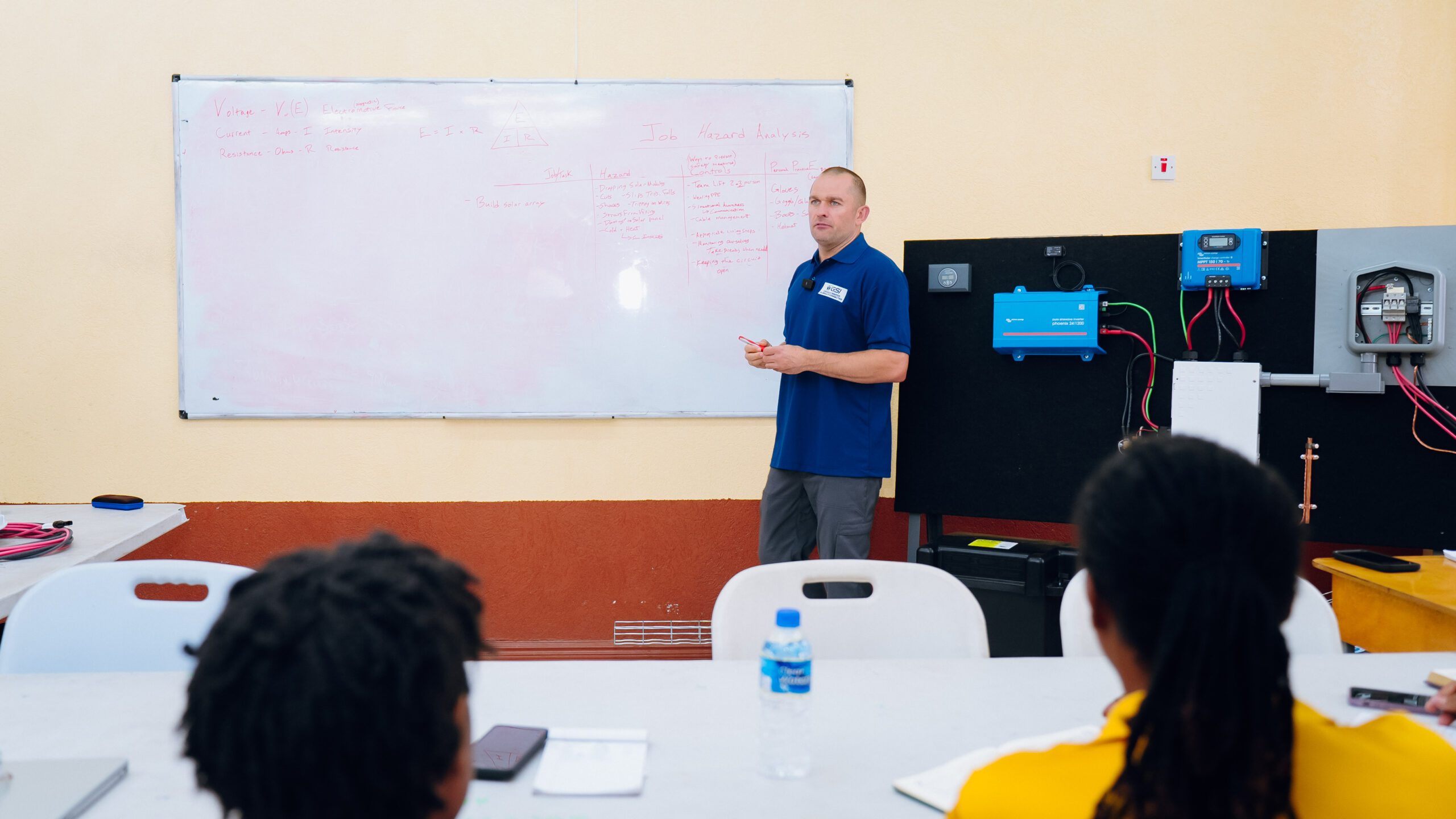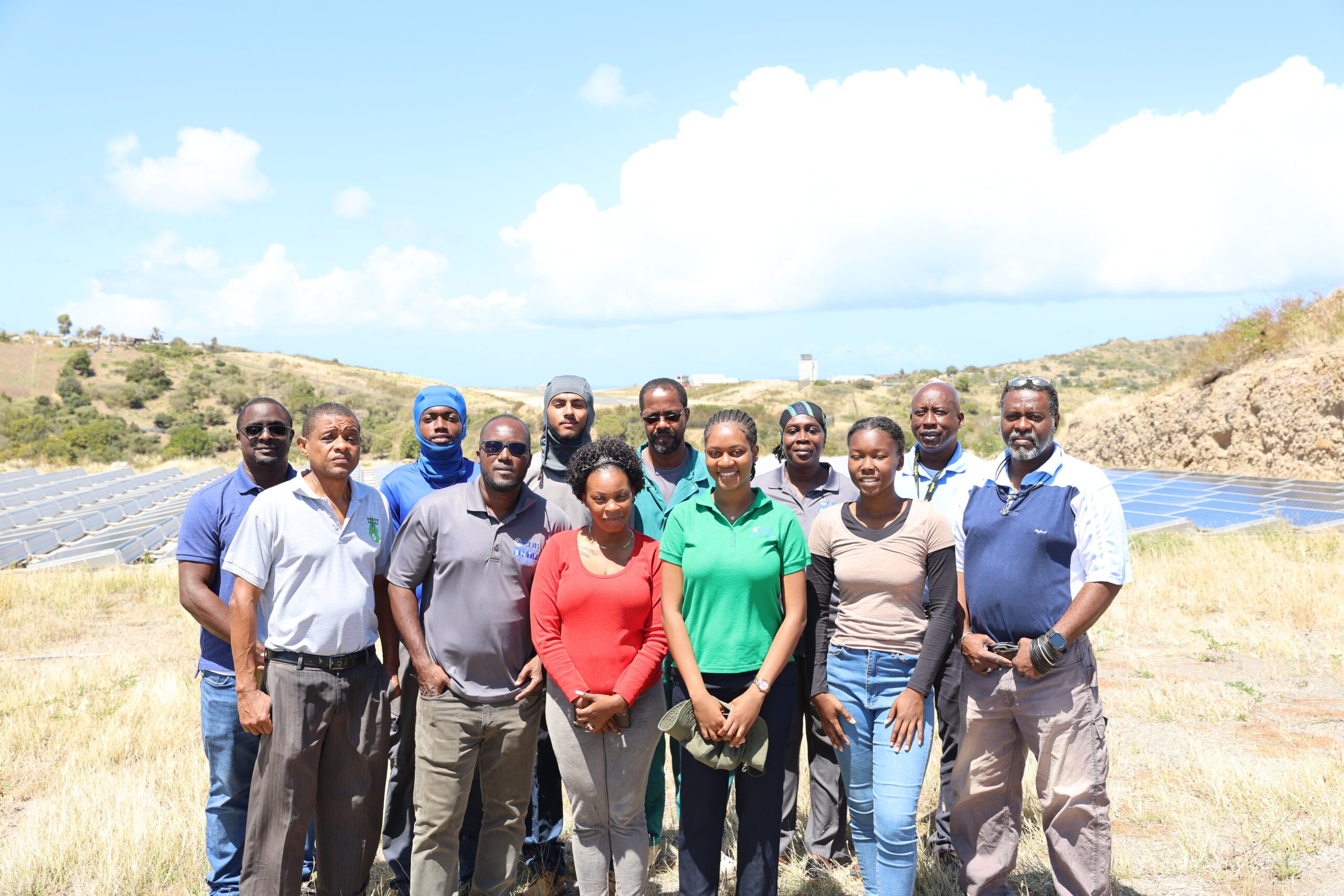
Technical standards are becoming one of the most important foundations for strengthening solar installation quality across the Caribbean. As more islands transition toward renewable energy to reduce electricity costs, improve resilience, and decrease reliance on imported fossil fuels, the need for safe, consistent, and high-performing solar photovoltaic (PV) systems has never been greater. The expanding clean energy landscape brings new opportunities, but it also requires a trained workforce and a standardized framework to ensure every installation meets international expectations. That is why organizations such as Green Solutions International SKN Inc. (GSI) are prioritizing technical training, certification, and adherence to global best practices to raise the bar for solar PV projects throughout the region.
Many Caribbean nations have seen rapid growth in residential, commercial, and utility-scale solar systems over the past decade. However, this expansion has also highlighted the challenges that arise when installations are performed without proper oversight, safety protocols, or quality benchmarks. Poor wiring, undersized components, inadequate structural mounting, and improper system design not only compromise performance but also pose serious risks such as electrical faults, roof damage, or system failure during hurricanes. These issues can reduce public trust in renewable energy and slow the region’s progress toward sustainability. Establishing and enforcing technical standards is essential to preventing such setbacks and ensuring solar systems deliver long-term benefits to households, businesses, and communities.
One of the most significant advances in improving solar installation quality has been the adoption of international certification programs. The North American Board of Certified Energy Practitioners (NABCEP) sets the gold standard for solar PV professionals, requiring trainees to master system design principles, safety codes, equipment specifications, installation procedures, and inspection protocols. Through GSI’s accredited training programs, Caribbean installers, inspectors, and system designers are now gaining access to globally recognized qualifications that elevate their expertise and professionalism. Workers trained under NABCEP standards are better equipped to size systems accurately, select appropriate components, follow safety regulations, and implement best practices that ensure long-term durability. This level of competency is essential for regions like the Caribbean, where strong winds, heavy rainfall, and salt-laden air demand robust and reliable installations.
Technical standards also support greater regional uniformity, ensuring that solar systems across islands follow consistent guidelines regardless of location or project size. With collaboration from organizations such as the Caribbean Development Bank (CDB), the Organization of Eastern Caribbean States (OECS), and USAID-funded initiatives, the Caribbean is aligning solar training and installation norms with global frameworks. This alignment increases consumer confidence and supports the development of regulatory frameworks that protect both installers and customers. When clear standards are in place, governments can implement codes that guide PV deployment, utilities can develop interconnection policies that ensure grid stability, and homeowners can trust that licensed professionals are following safe and verified procedures. This structured approach minimizes technical errors and encourages long-term maintenance, leading to more resilient energy systems.
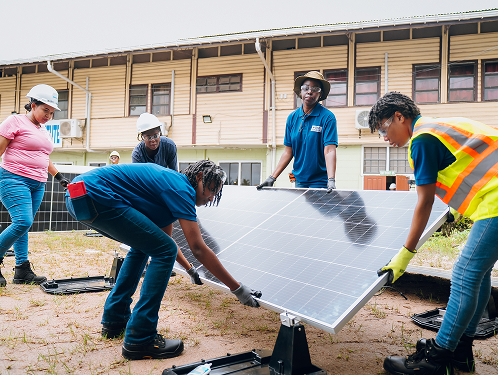
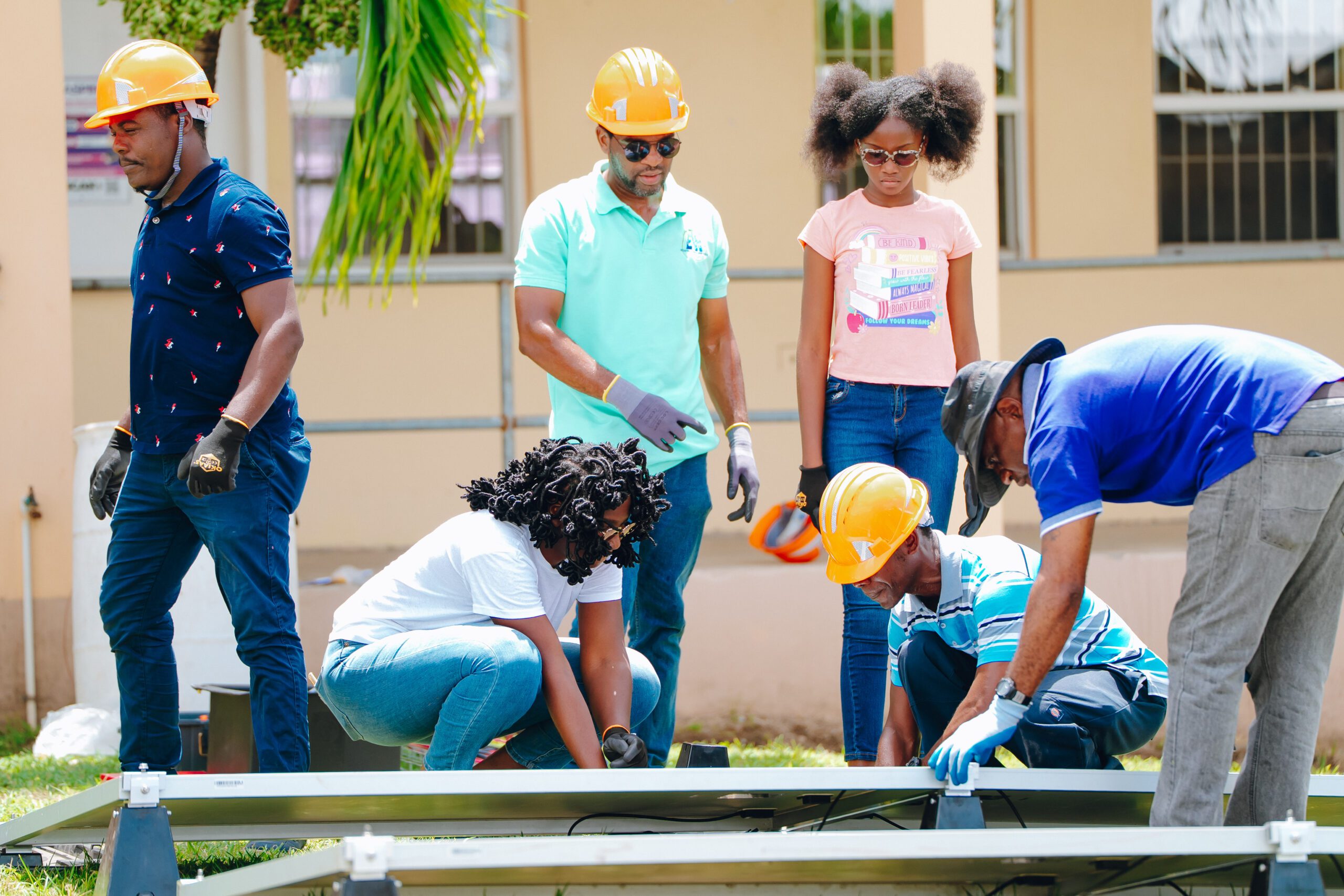
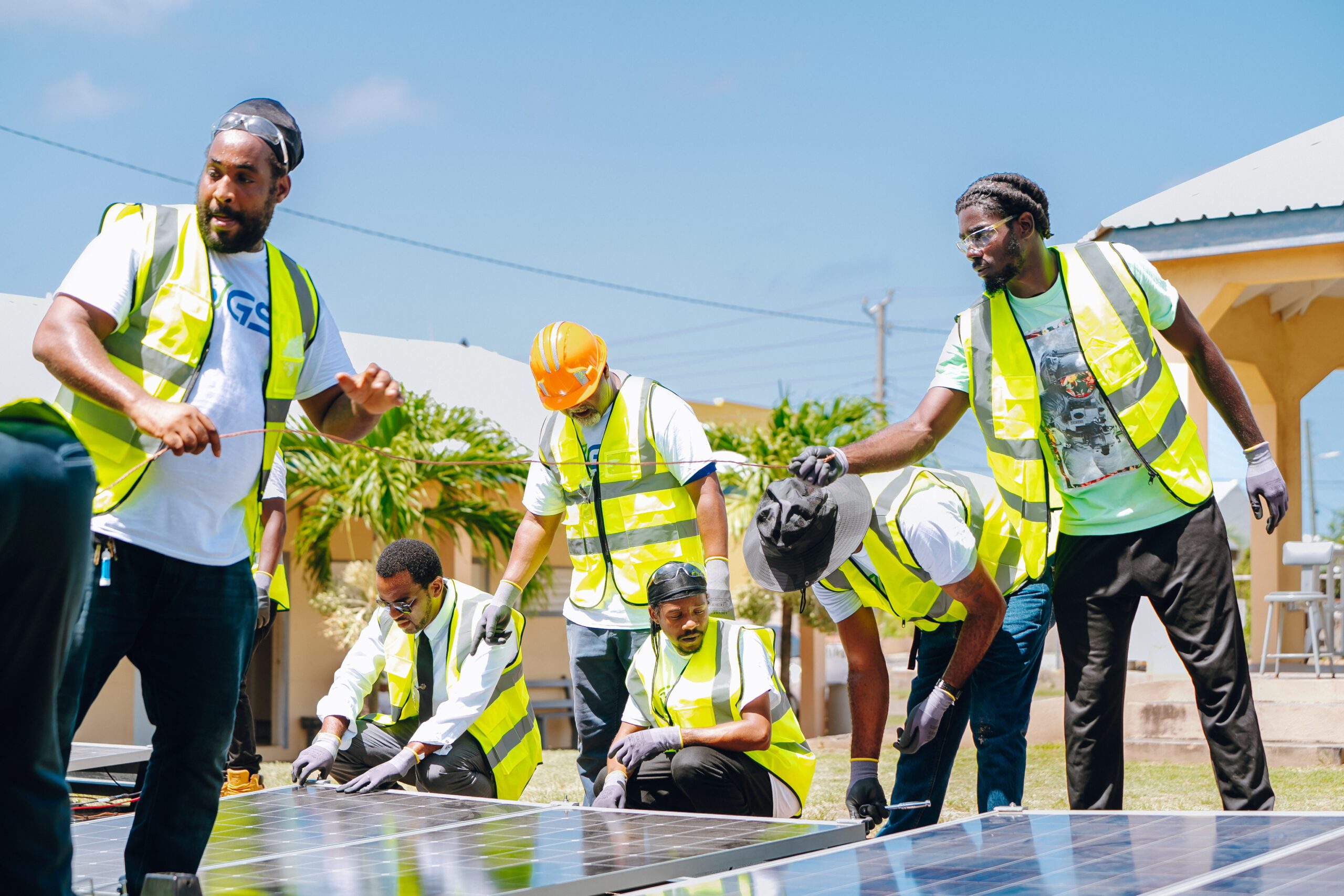
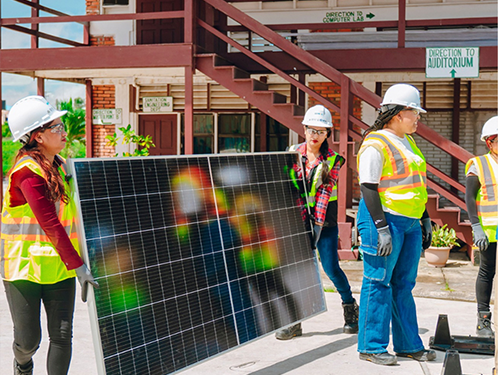
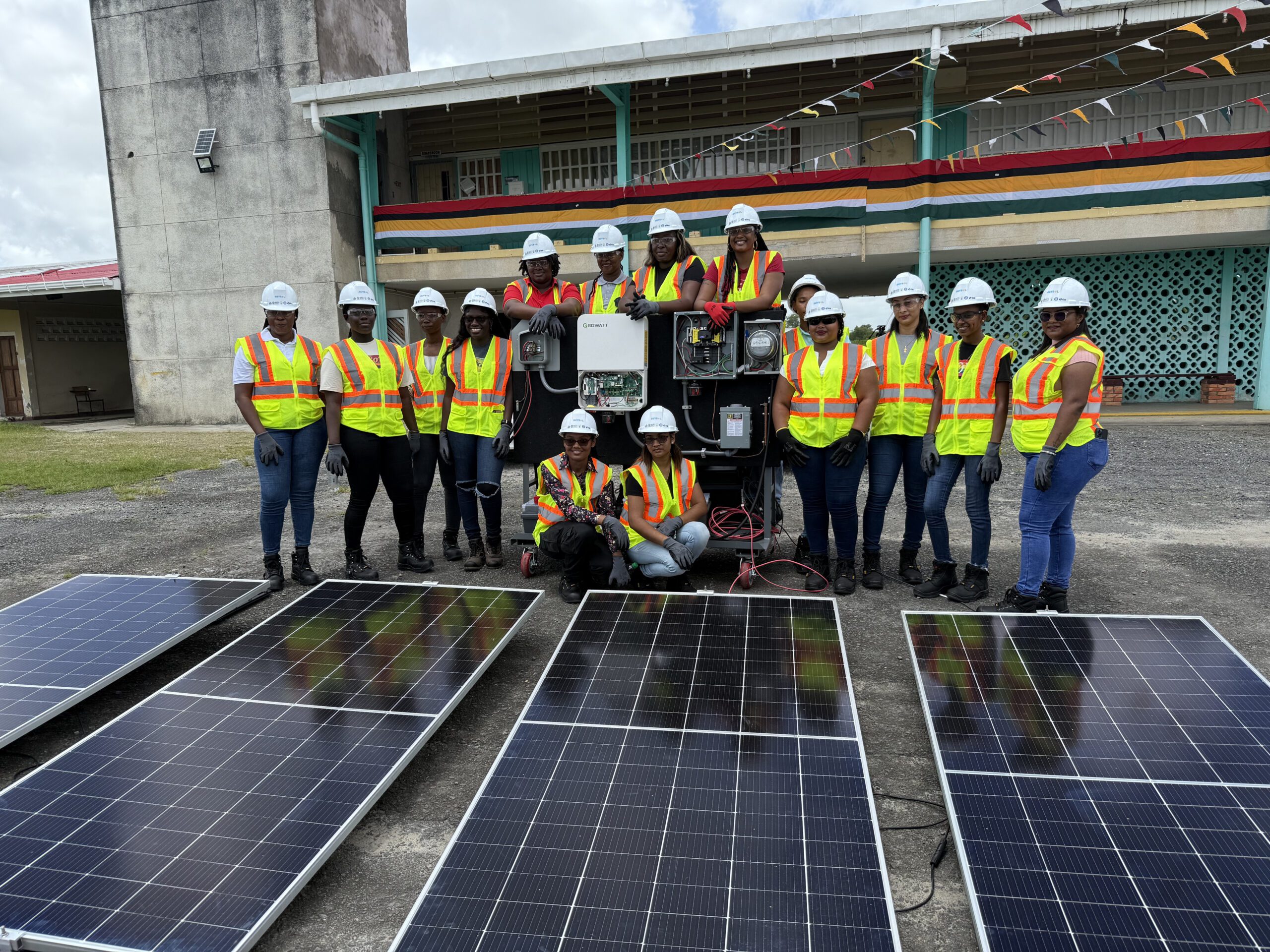
Another critical component of strengthening solar installation quality is the ongoing professional development of the renewable energy workforce. Renewable technologies evolve quickly, with new equipment, system configurations, and safety requirements emerging every year. To stay current, PV professionals must continuously refine their knowledge and skills. GSI plays a vital role by offering hybrid learning formats that combine online theory with hands-on training, giving participants practical experience with real PV components, tools, and testing procedures. Through workshops, field practice, and updated training material, participants learn how to evaluate system performance, identify potential hazards, and implement corrective measures. This continual learning process ensures that Caribbean installers remain competitive and capable of delivering high-quality services in a rapidly advancing global industry.
Strengthening technical standards also lays the foundation for improved system inspection and monitoring across the Caribbean. Well-trained inspectors are essential for verifying that installations comply with structural, electrical, and safety guidelines before systems are energized. Regular inspections ensure that systems remain efficient, safe, and aligned with industry best practices throughout their lifecycle. As more Caribbean islands implement standardized inspection frameworks, solar systems will deliver better performance, last longer, and require fewer repairs. This reliability is especially critical in remote communities and essential services such as hospitals, clinics, and emergency shelters, where uninterrupted power supports safety and well-being.
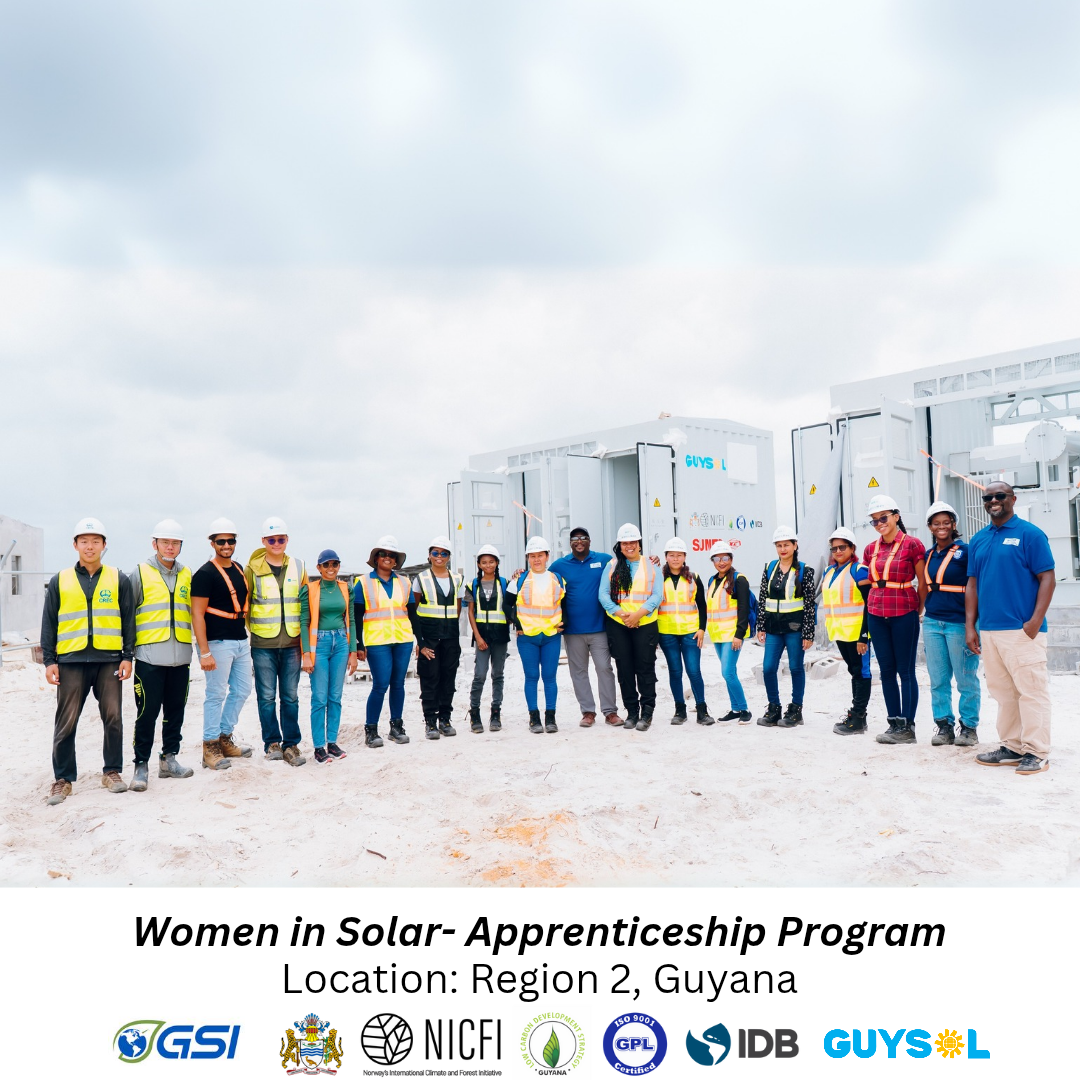
Ultimately, the establishment of technical standards is not just about improving the quality of solar installations; it is about building long-term energy resilience, economic opportunity, and community confidence. When solar systems function as intended, energy costs decrease, renewable adoption grows, and local workers gain access to stable and meaningful careers. By prioritizing global-standard certification, regional collaboration, and continuous professional training, the Caribbean is laying a sustainable foundation for its clean energy future. As organizations like GSI continue to champion technical excellence, the region moves one step closer to achieving its vision of reliable, safe, and high-quality renewable energy for all.