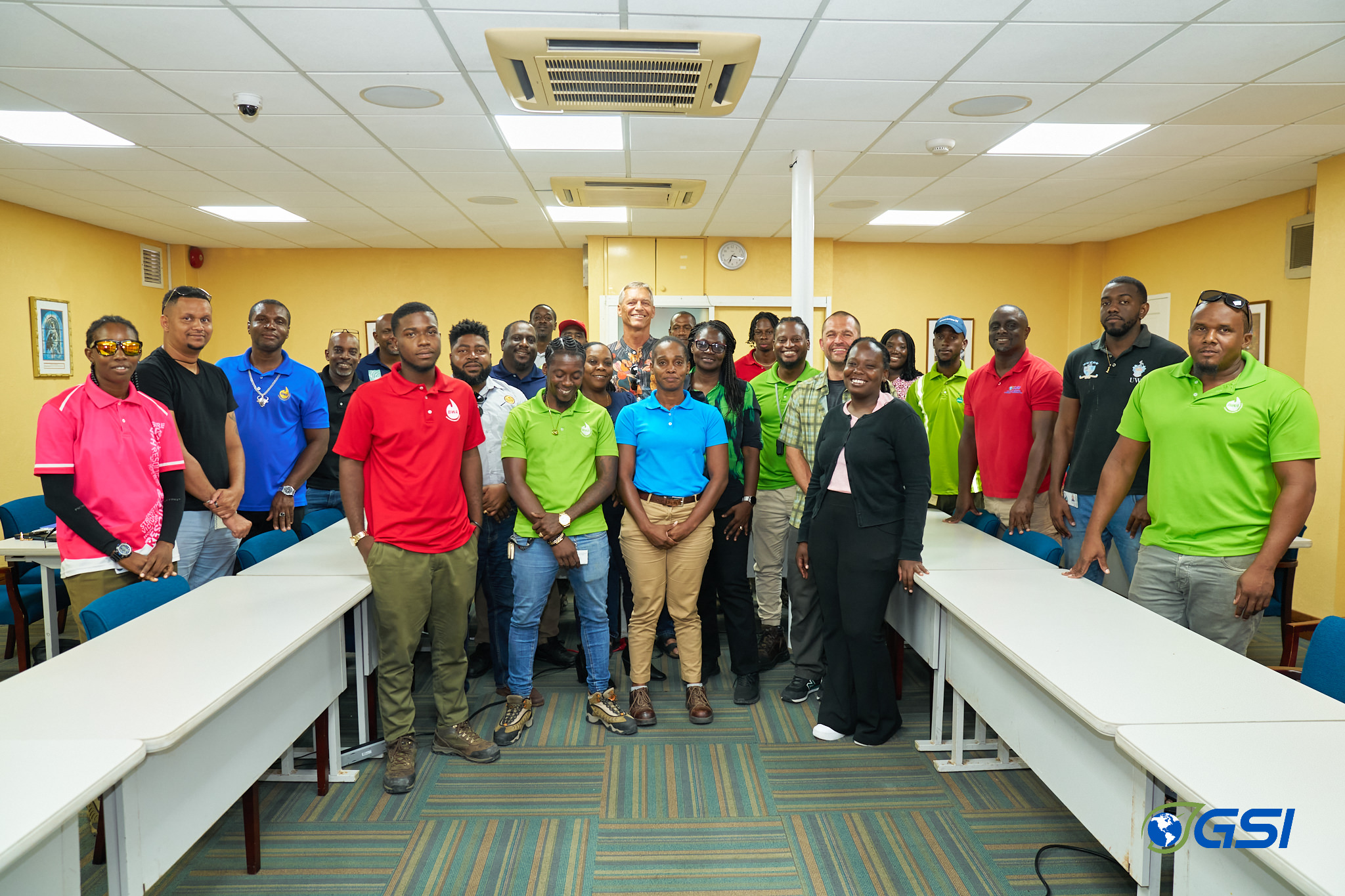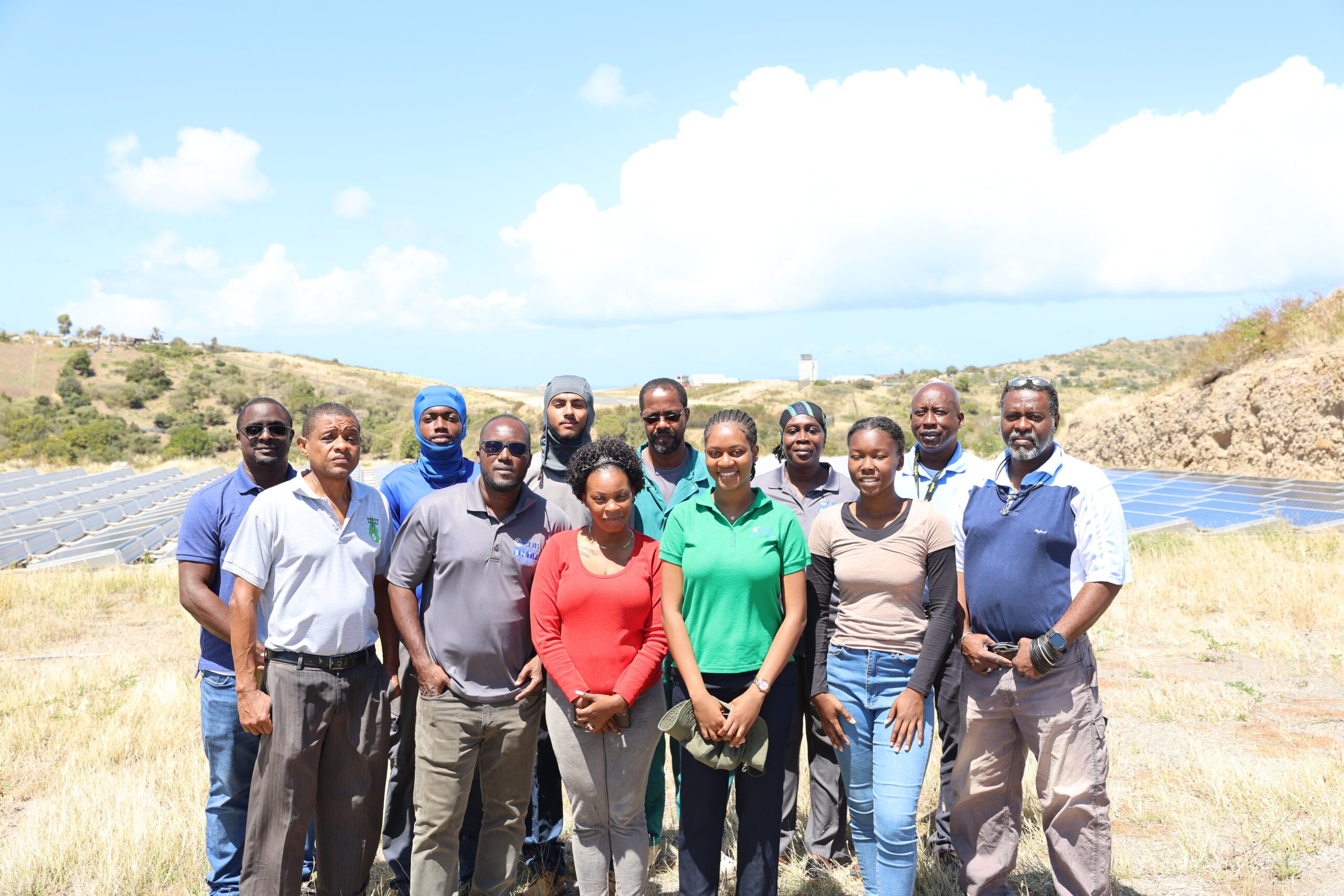
Renewable workforce development is becoming one of the most critical pillars of resilience for Caribbean islands as they navigate rising energy demands, climate-related vulnerabilities, and the global push toward sustainability. A well-trained, locally empowered workforce gives island nations the ability to design, install, operate, and maintain clean energy systems without relying heavily on external expertise. This shift not only supports energy independence but also strengthens economic stability, community preparedness, and long-term environmental health. As renewable energy technologies continue to evolve, the Caribbean’s investment in human capacity is proving to be just as important as investment in infrastructure.
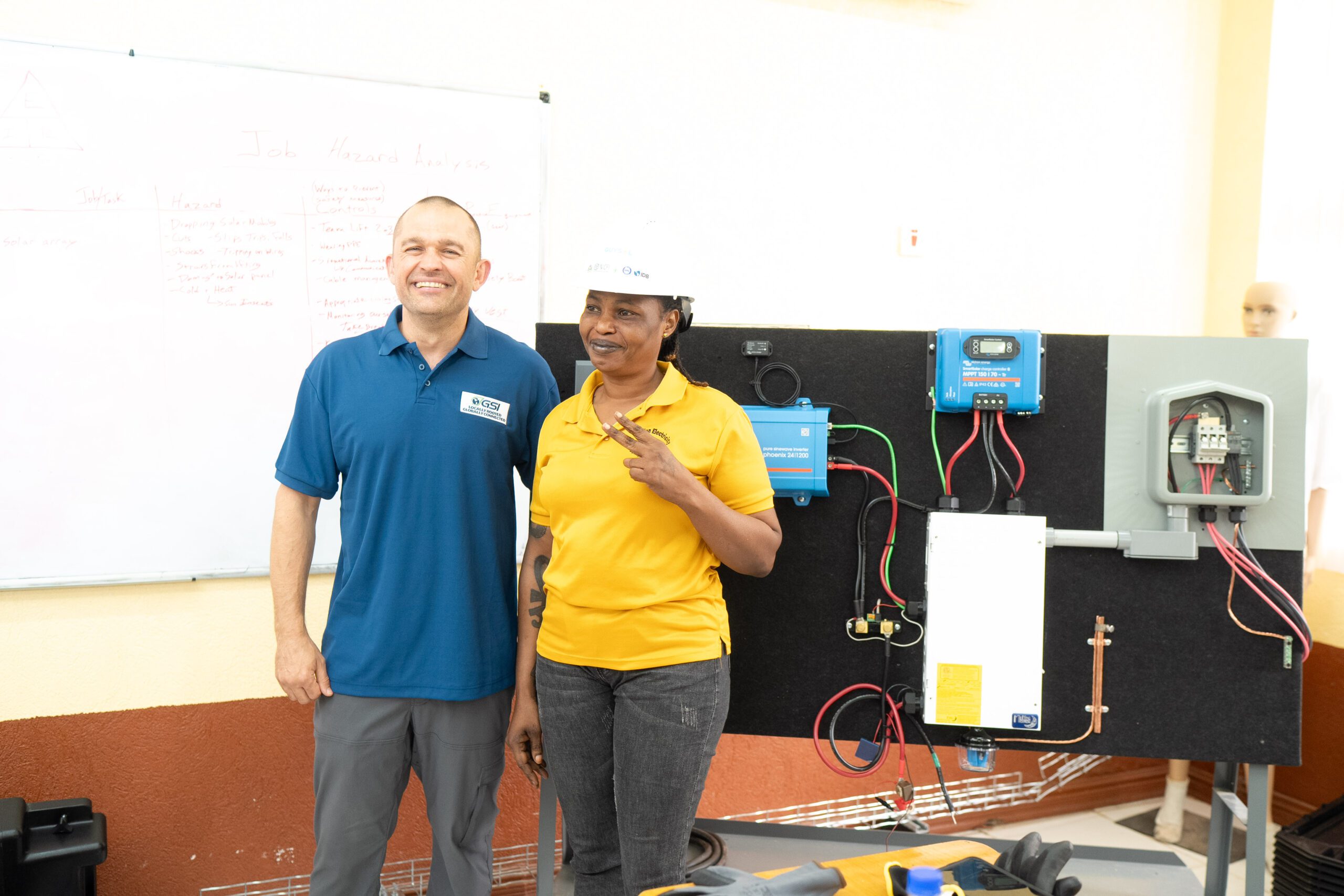
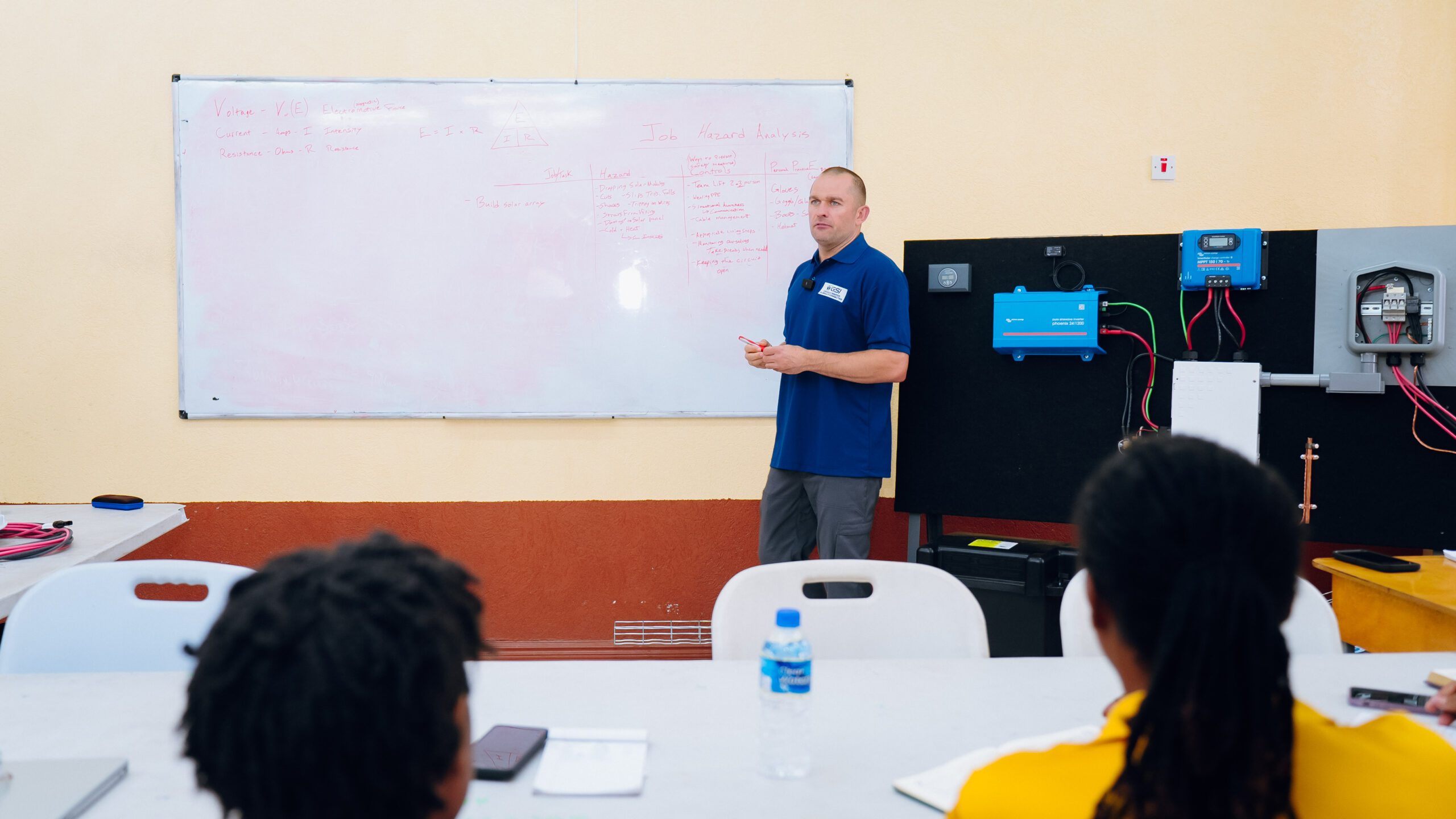
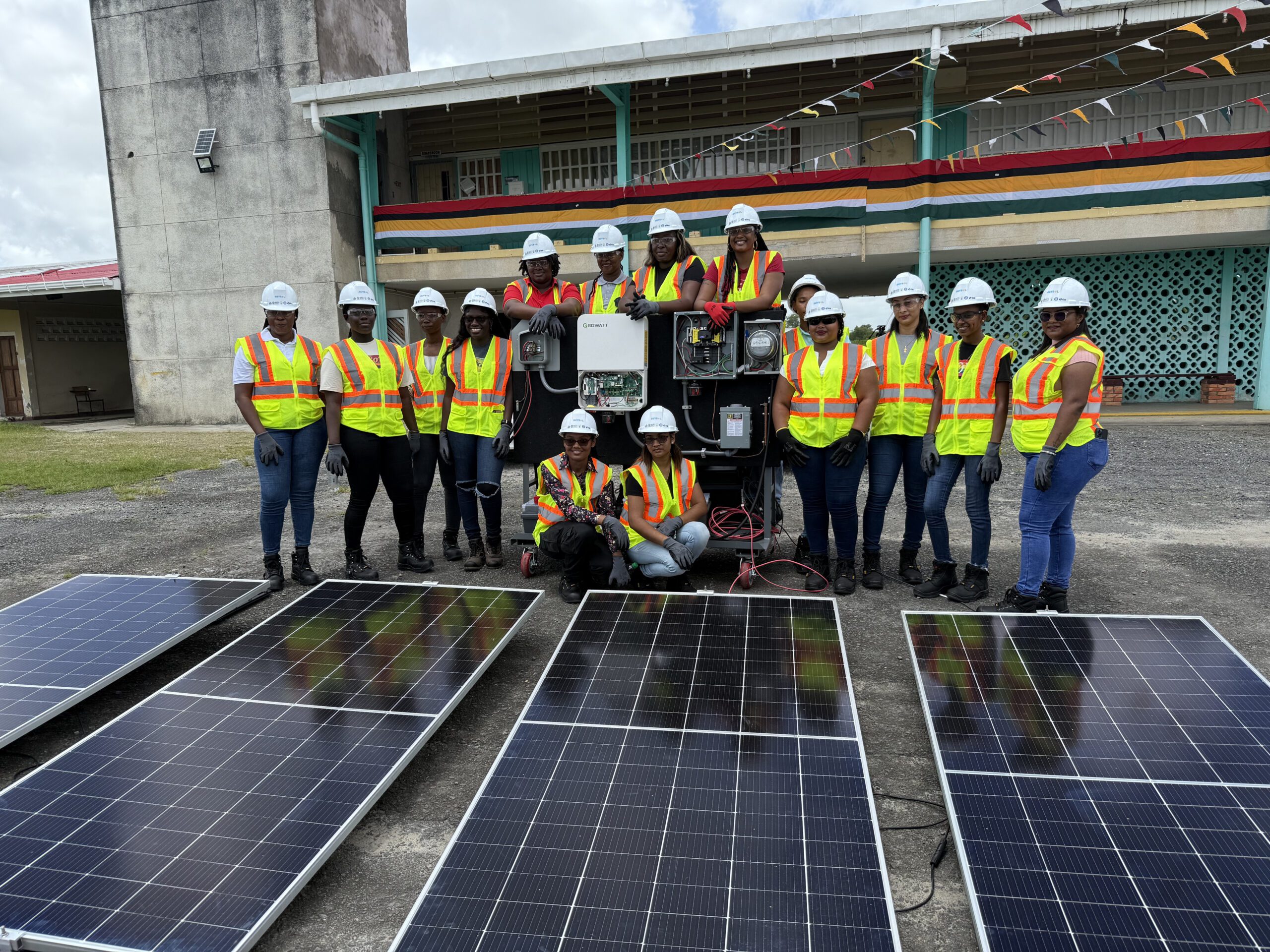
Across the region, countries are steadily expanding their renewable energy portfolios—particularly solar photovoltaic (PV) systems and battery storage projects. However, solar panels and modern technologies alone cannot deliver resilience. The true strength comes from technicians, inspectors, engineers, and energy professionals who understand how to install systems correctly, troubleshoot issues, enforce safety procedures, and ensure long-term performance. Recognizing this, organizations such as Green Solutions International SKN Inc. (GSI) are leading strategic initiatives to build a highly skilled workforce capable of supporting the Caribbean’s transition to clean energy. Their training programs, especially those aligned with the North American Board of Certified Energy Practitioners (NABCEP), provide world-class technical education that elevates professional standards across the islands.
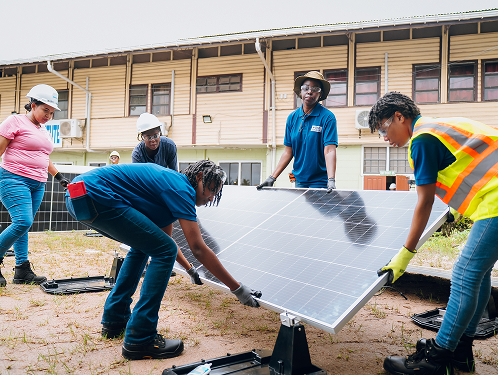
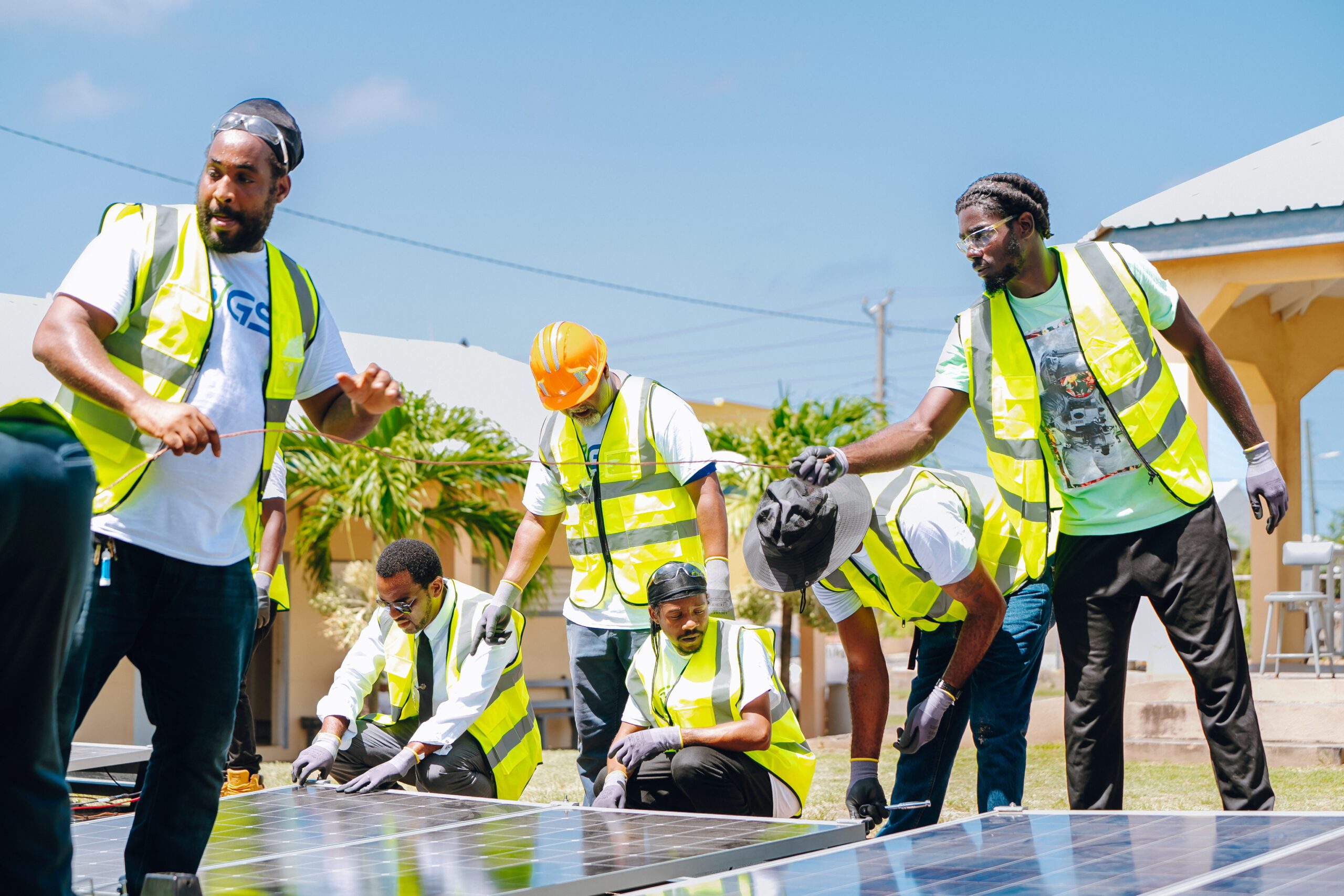
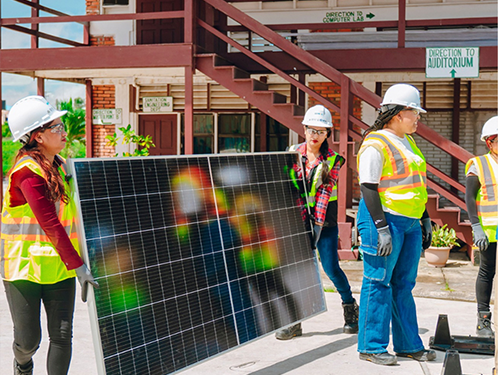
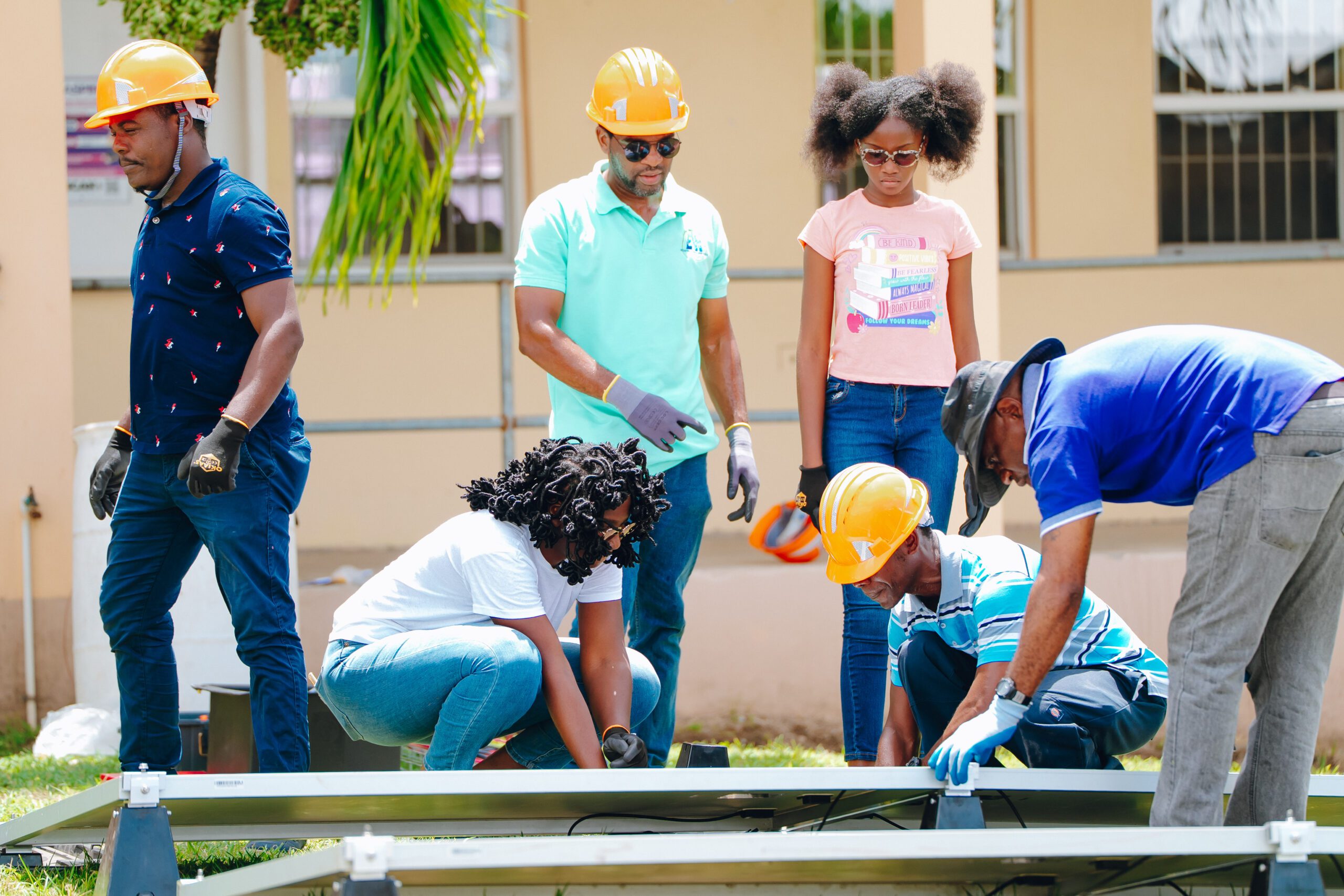
The value of a well-trained renewable workforce becomes most evident after severe weather events, which the Caribbean experiences frequently. Hurricanes, flooding, and high winds can disrupt traditional energy systems, causing costly outages and slowing economic recovery for days or weeks. Solar PV systems, when correctly installed and designed with resilient components, can significantly reduce downtime and ensure communities have access to essential power during emergencies. But these systems only perform reliably if they are installed by technicians with a deep understanding of structural integrity, electrical safety, and environmental conditions unique to island regions. Through practical training sessions, GSI equips participants with the skills needed to build systems that withstand tropical climates, ensuring that Caribbean communities remain operational even under challenging circumstances.
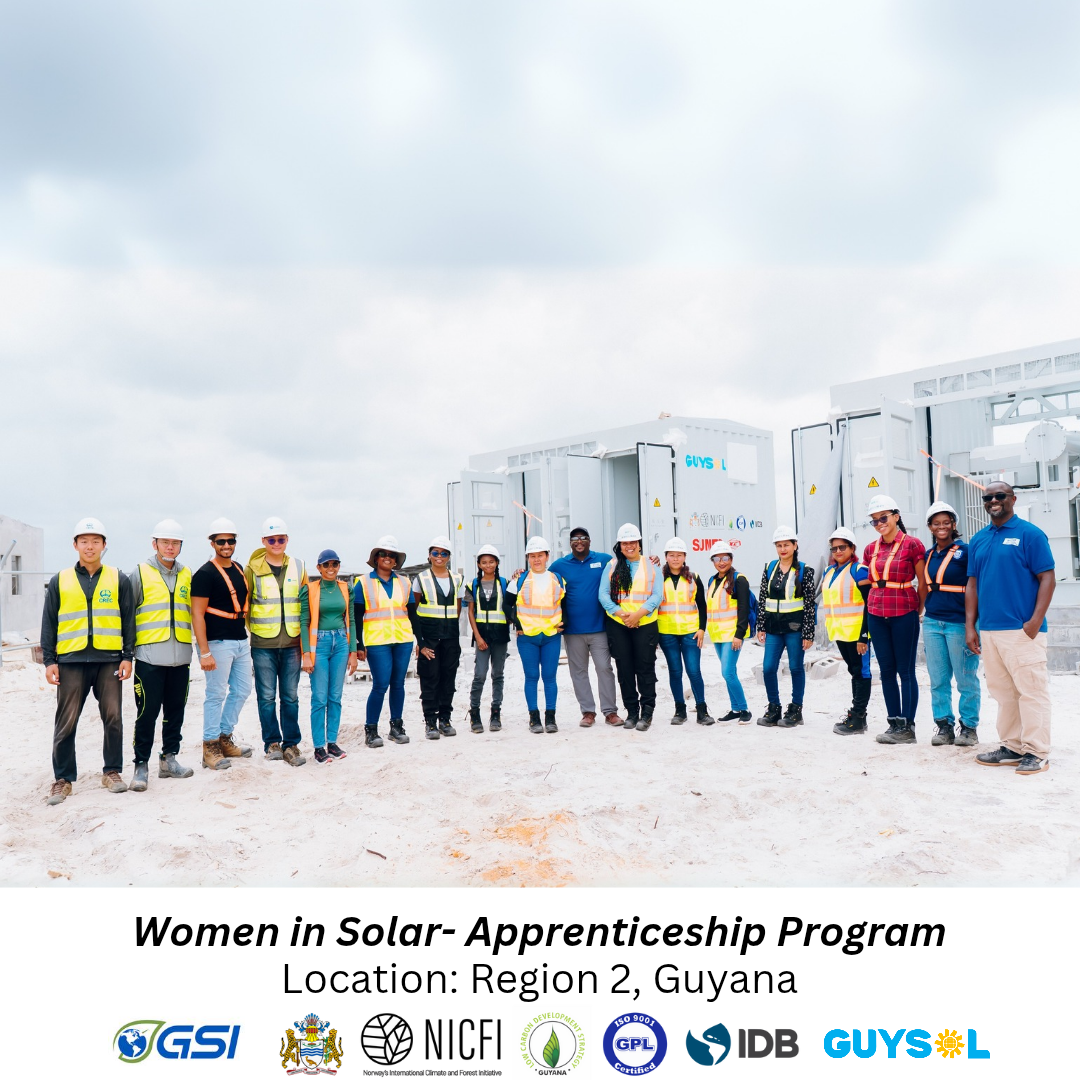
Workforce development also strengthens local economies by creating job opportunities in emerging clean energy industries. As solar adoption grows, so does the demand for installers, electricians, system designers, and project managers. Renewable energy careers offer competitive salaries and long-term job stability, especially for youth entering the workforce and women seeking to expand their technical skills. Many trainees who complete NABCEP-aligned programs find new employment opportunities, launch their own businesses, or support national projects that drive the region’s energy transition. With each trained professional, the Caribbean gains not just a skilled worker but also a long-term contributor to economic growth and community development.
Another important factor in resilience is energy independence. Caribbean islands traditionally rely heavily on imported fossil fuels, which are expensive, volatile in price, and vulnerable to supply chain disruptions. By building a renewable energy workforce capable of designing and maintaining solar infrastructure, nations reduce their dependence on imported energy and increase their ability to generate power locally. This shift keeps more money circulating within the local economy and ensures stable, predictable energy costs for households, businesses, and public institutions. As energy costs decrease, communities become better positioned to invest in education, healthcare, infrastructure, and climate adaptation.
Partnerships play a crucial role in expanding renewable workforce development. Regional collaborations involving organizations such as the Caribbean Development Bank (CDB), the Organization of Eastern Caribbean States (OECS), USAID, and academic institutions help standardize training, support professional certification, and deliver high-quality educational programs. These partnerships widen access to training for rural communities, underrepresented groups, and individuals seeking career advancement. By integrating global best practices and international certification standards, the Caribbean ensures that its workforce remains competitive and capable of meeting evolving industry demands.
Furthermore, renewable workforce development strengthens resilience by fostering community awareness and public engagement. When citizens understand how solar energy systems work, how to maintain them, and why they are beneficial, they are more likely to support clean energy policies and participate in sustainable practices. Trained professionals often become community leaders who educate others, troubleshoot basic system issues, and encourage neighbors to transition to cleaner, more reliable energy alternatives. This community-level empowerment creates a culture of resilience that extends beyond infrastructure and into daily life.
As climate change continues to impact the Caribbean, resilience is no longer optional—it is essential. Developing a strong renewable energy workforce ensures that the region is equipped to face future challenges with confidence and capability. Every certified technician, every newly trained designer, and every community member who gains renewable energy knowledge contributes to a stronger, more self-reliant future for the islands. By investing in people as much as technology, Caribbean nations are laying the foundation for sustainable development, energy security, and long-term resilience.