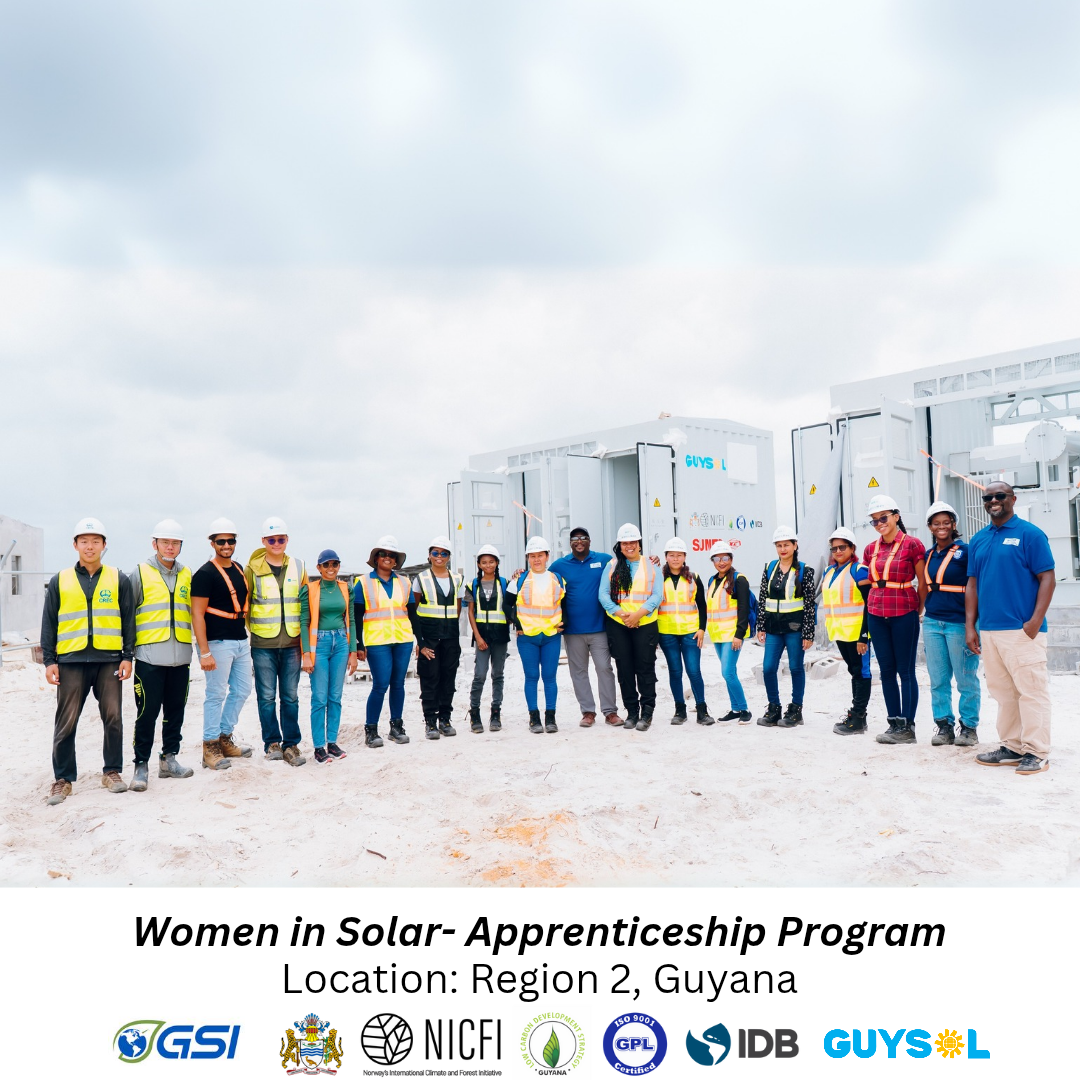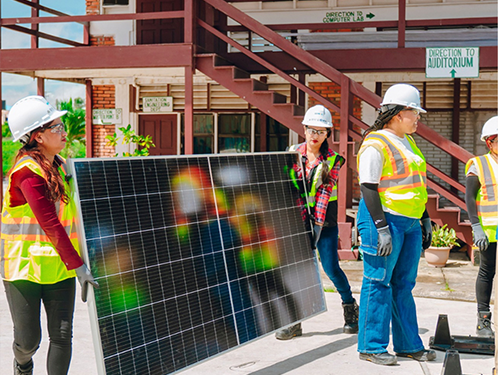


Across the Caribbean, women are stepping into powerful roles that are transforming the region’s clean energy landscape. Their growing involvement in solar technology, environmental science, engineering, and renewable workforce training is reshaping how communities adopt sustainable solutions. These women bring technical skill, leadership, and community-focused innovation that strengthens local resilience and accelerates the Caribbean’s shift toward a low-carbon future. As the demand for renewable energy grows and countries push to reduce dependency on imported fuel, women are becoming essential contributors to building a greener, smarter, and more secure energy system.
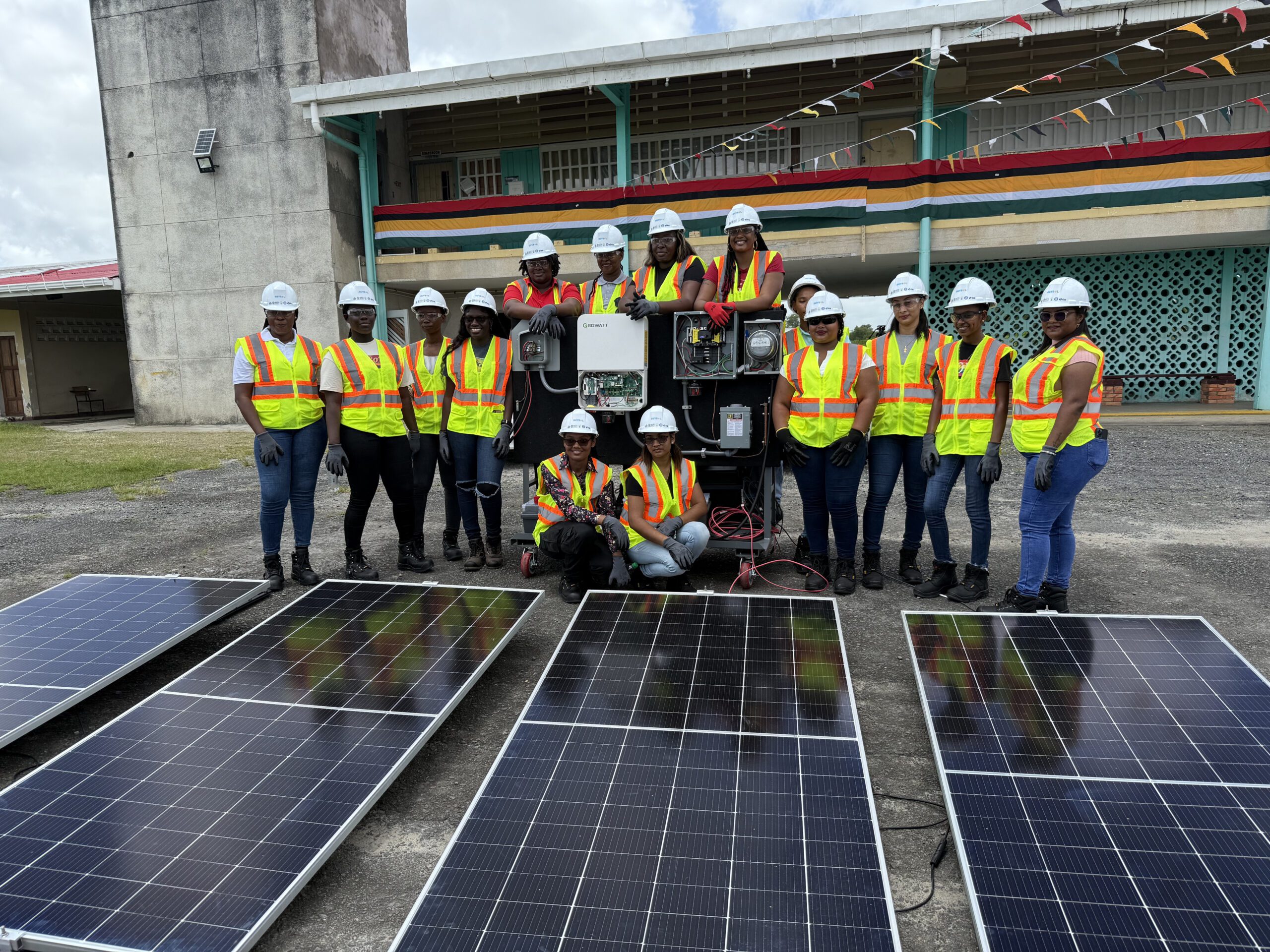
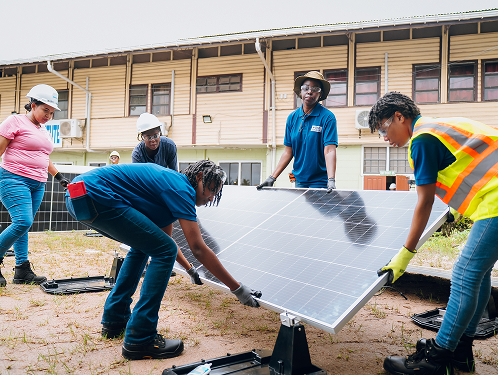
In recent years, more Caribbean women have entered fields traditionally dominated by men, including solar PV installation, system design, inspection, and energy auditing. Their participation is not only breaking stereotypes but also improving the quality and safety of renewable energy projects. Many women are earning international certifications such as the NABCEP Associate credential, which equips them with the technical knowledge needed to support solar deployment at residential, commercial, and community levels. These training opportunities are strengthening the region’s talent pool and ensuring that clean energy projects meet global standards. Whether they are climbing rooftops to install panels, conducting system inspections, or leading renewable energy companies, women are adding a new dimension of professionalism and excellence to the industry.
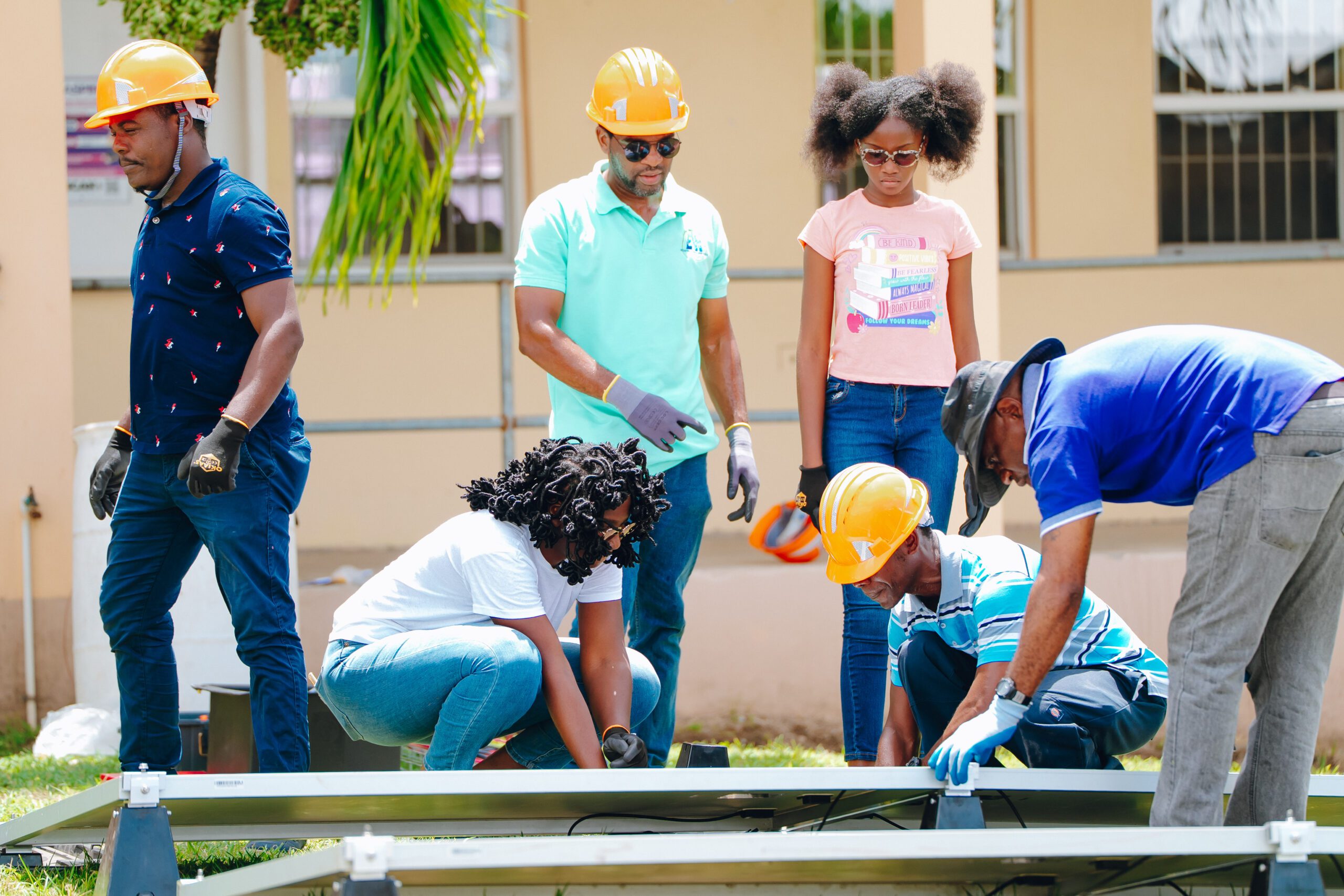
The impact of women in clean energy extends beyond technical skills. Many are using their positions to advocate for environmental awareness, energy independence, and sustainable development within their communities. Their lived experiences often make them uniquely connected to the challenges their communities face, especially in areas where energy access, cost, and reliability are ongoing concerns. By engaging in outreach programs, community workshops, and youth mentorship, women are helping households understand the financial and environmental benefits of renewable energy. This kind of community-centered leadership ensures that clean energy adoption is inclusive and aligned with local needs.
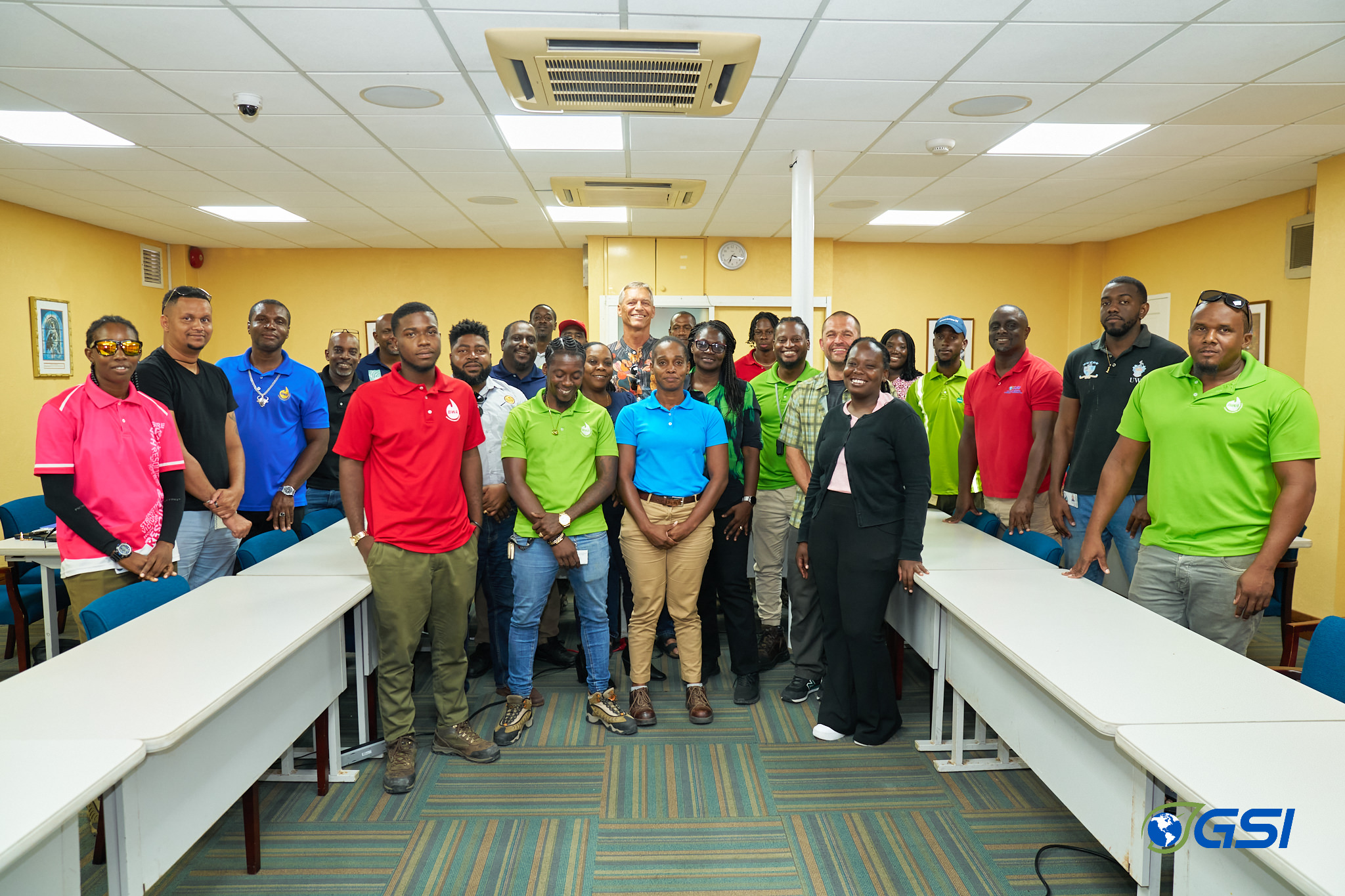
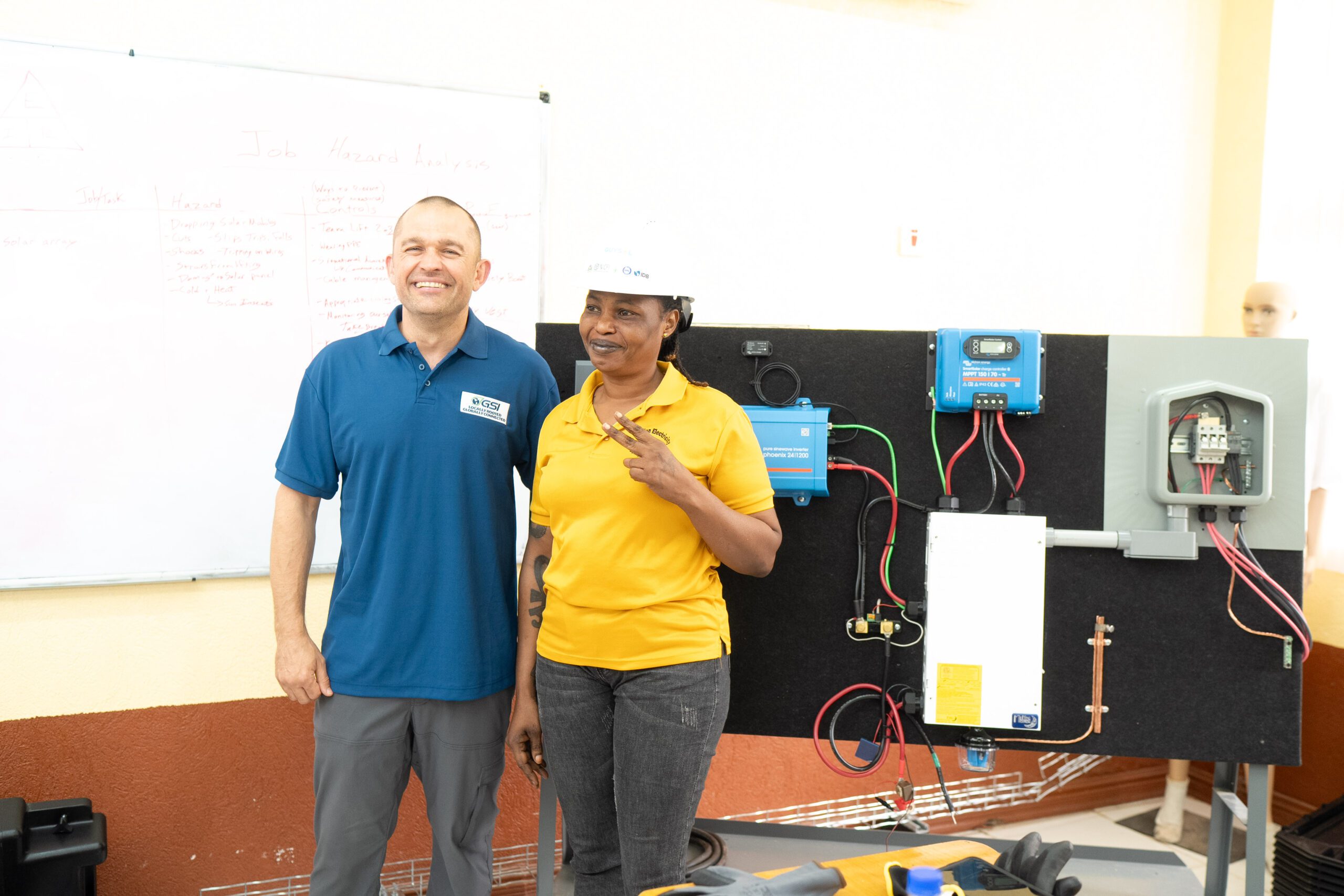
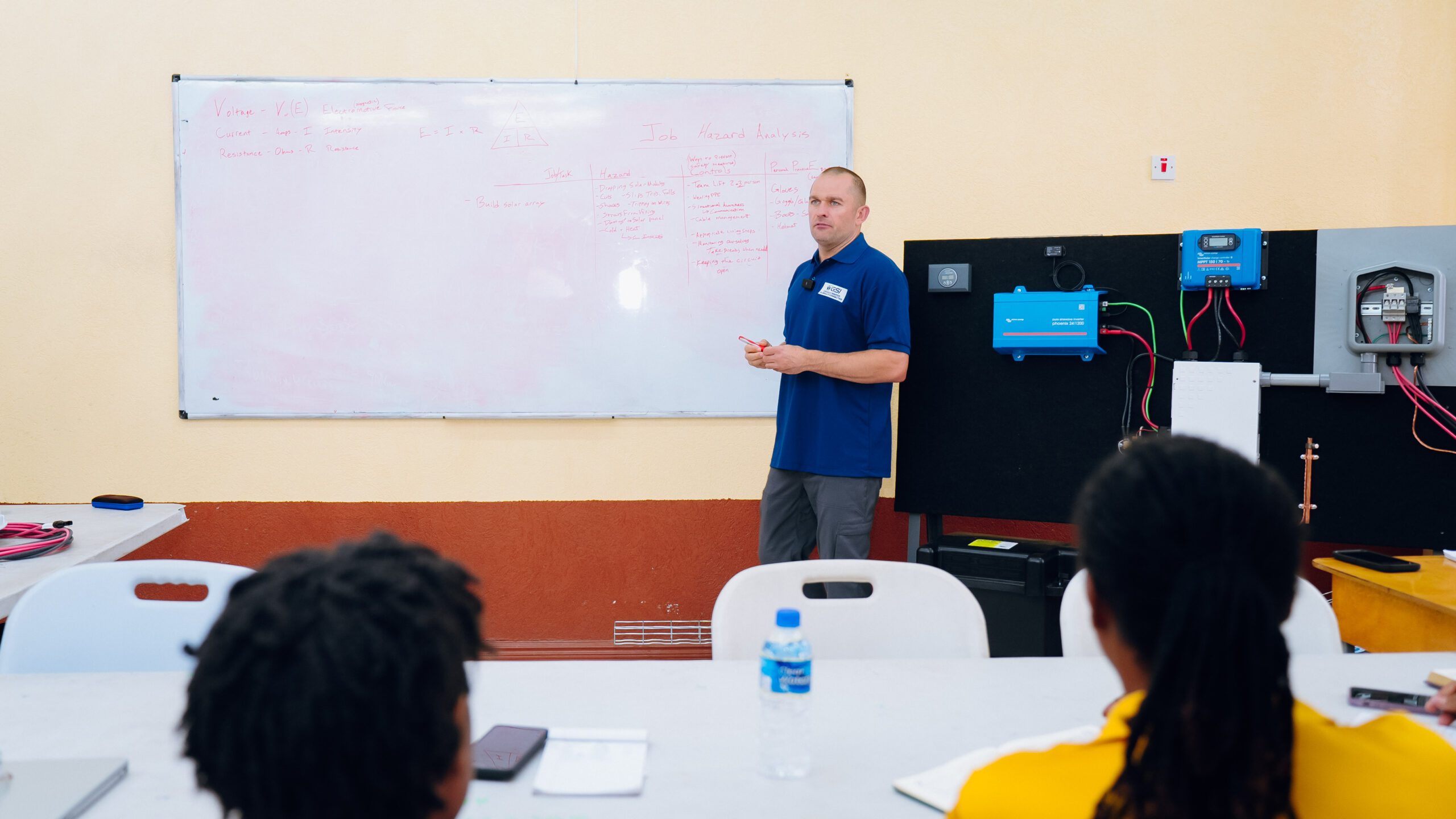
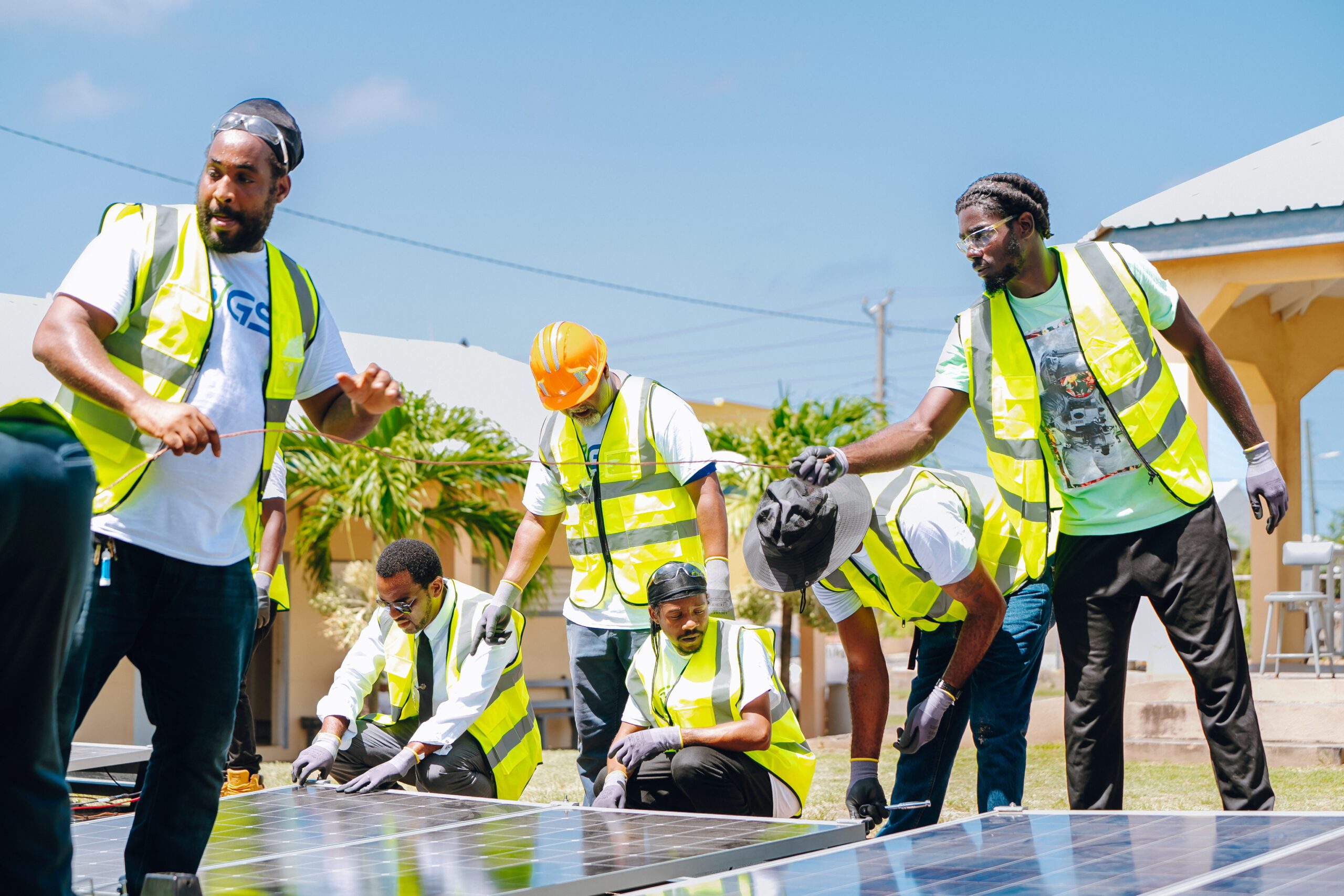
Across the region, educational institutions and training organizations are also recognizing the importance of supporting women in renewable energy. Programs offered by organizations like Green Solutions International SKN Inc. (GSI) are opening doors for women to receive world-class training without leaving their home countries. Hybrid training models that combine online classes with hands-on instruction allow women to learn at their own pace while managing family or work responsibilities. These programs help build confidence, create pathways to employment, and give women the tools they need to succeed in technical careers that were once considered unreachable. As more women graduate from these programs, the Caribbean gains a workforce that is diverse, capable, and ready to meet the region’s evolving energy needs.
Women are also contributing to innovation in ways that go beyond installation and design. Many are involved in research, policy development, and renewable energy entrepreneurship. From developing small-scale solar solutions for rural communities to launching companies focused on sustainable technologies, women are building businesses that generate jobs and empower others. Their roles in universities, environmental organizations, and energy agencies help shape renewable energy strategies that reflect the realities of Caribbean life. By participating in decision-making processes, women ensure that clean energy planning takes into account social, cultural, and economic factors that influence long-term success.
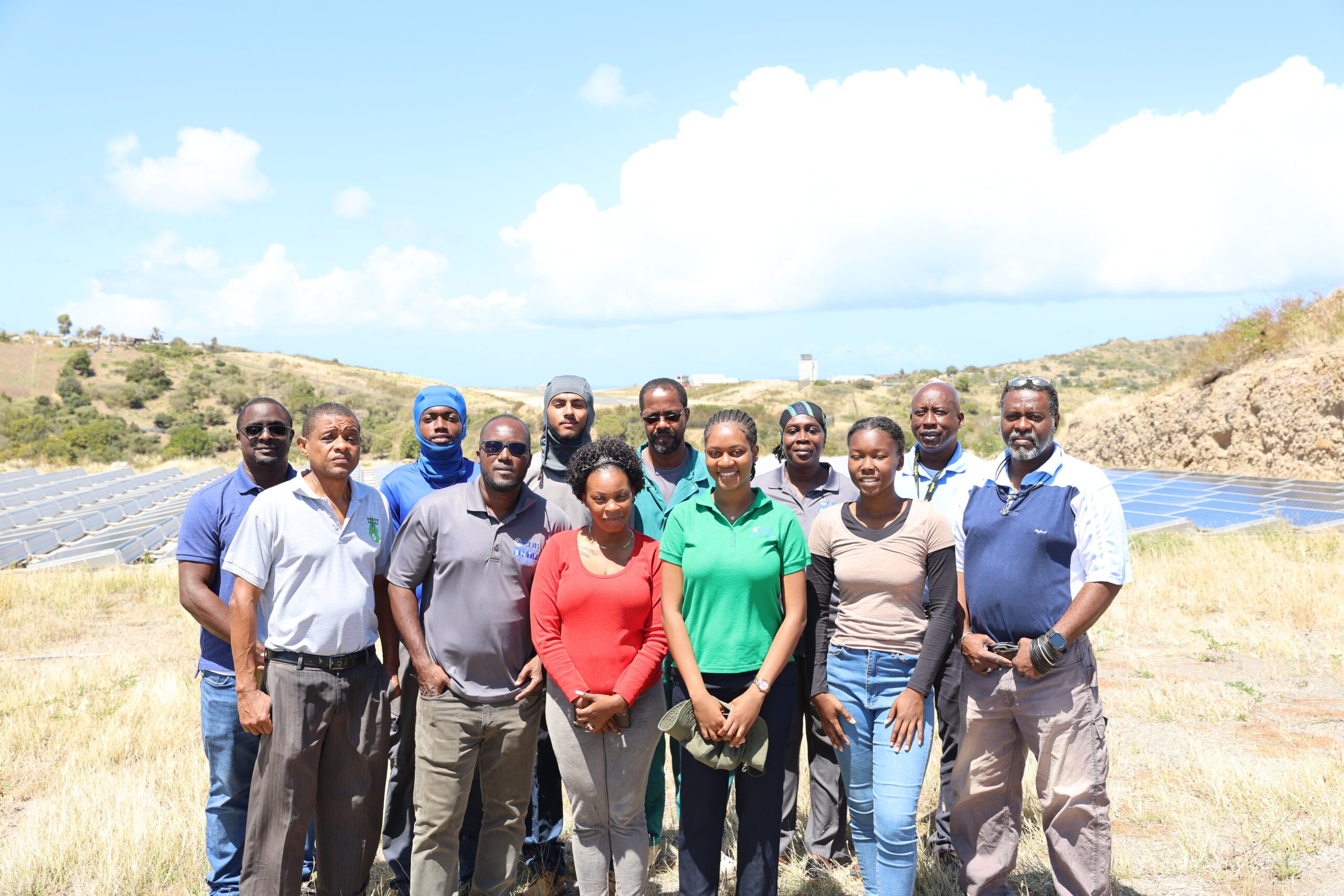
The Caribbean’s journey toward a sustainable future requires local expertise, technical excellence, and strong community engagement. Women are helping to deliver all three. Their leadership is strengthening energy resilience, particularly in regions vulnerable to hurricanes, rising temperatures, and fluctuating energy markets. Solar adoption is becoming more accessible and reliable thanks to technicians and inspectors who understand not only the technology but also the importance of creating systems that serve generations to come. Every trained installer, system designer, and energy educator helps reduce dependence on imported fuel and supports the development of cleaner, more affordable energy systems.
As more women join the renewable energy workforce, they inspire girls and young professionals across the Caribbean to envision themselves in technical and scientific careers. Their visibility and success send a clear message: the clean energy transition belongs to everyone. With every certification earned, project completed, or community trained, women are building a foundation that will support the region’s environmental and economic goals for decades.
The future of Caribbean clean energy is brighter because women are not only participating but leading. Their dedication, skill, and vision continue to drive progress that benefits households, industries, and entire nations. As the region strengthens its commitment to renewable energy, the contributions of women will remain central to achieving a resilient, sustainable, and empowered Caribbean.