Skip to content
Solar training is rapidly transforming jobs across the Caribbean, opening new pathways for economic growth, energy resilience, and long-term sustainability. As climate challenges intensify and electricity costs continue to rise, Caribbean nations are recognizing the urgent need for a skilled workforce that can support the region’s clean energy transition. Solar photovoltaic (PV) technology has become a cornerstone of this transition, and with the expansion of training programs and internationally recognized certifications, thousands of Caribbean citizens now have access to meaningful careers in the renewable energy sector.
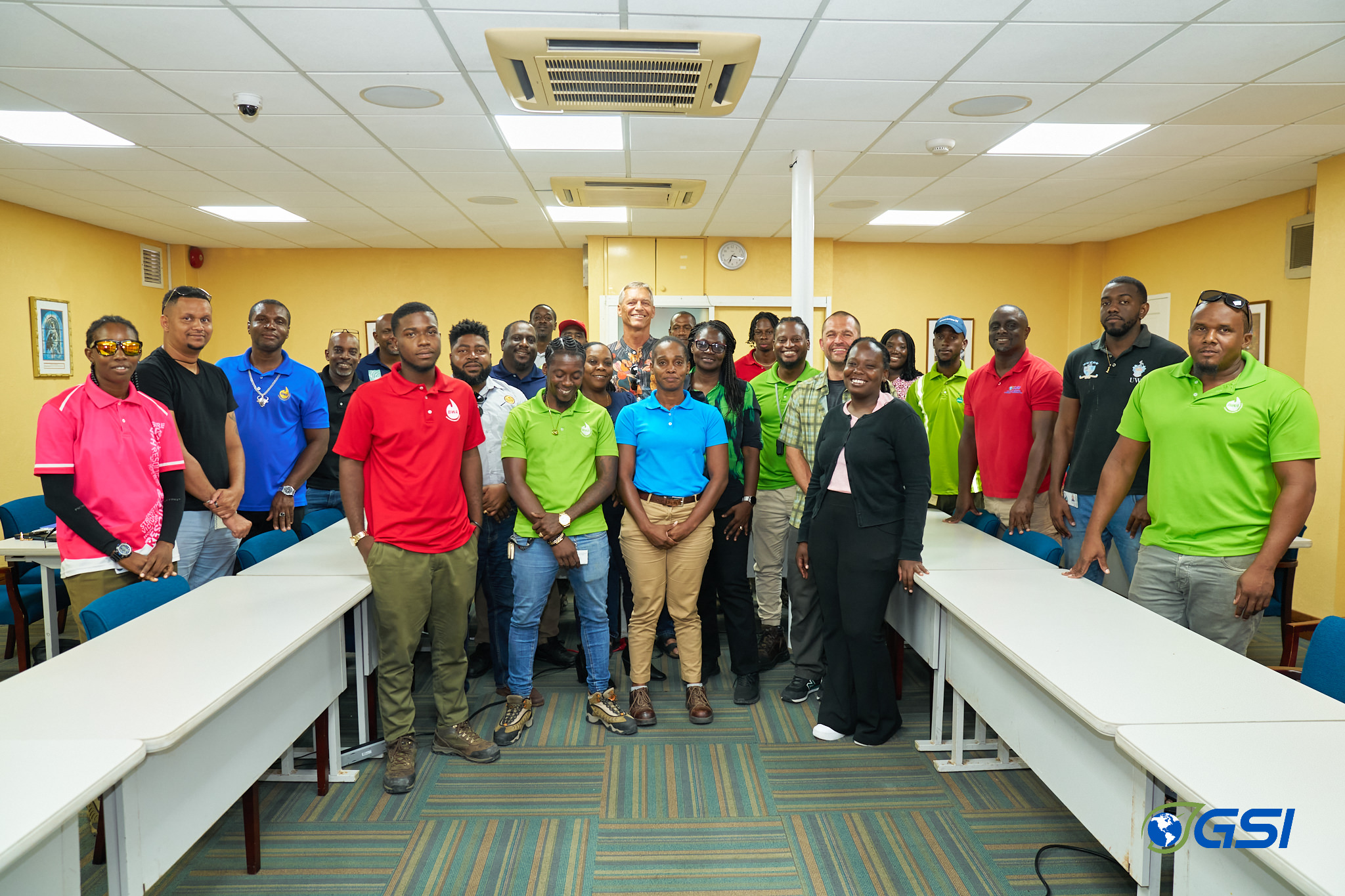
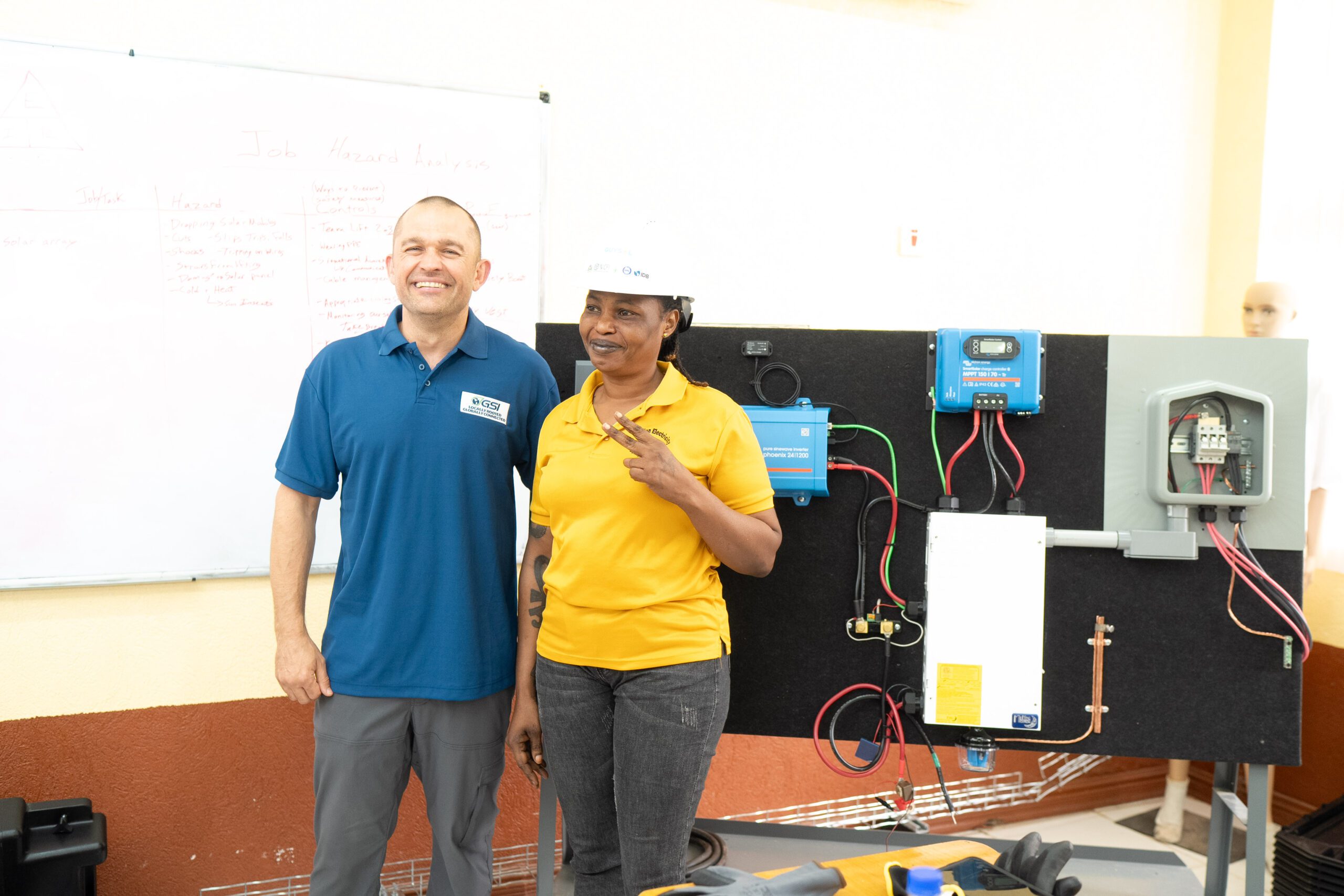
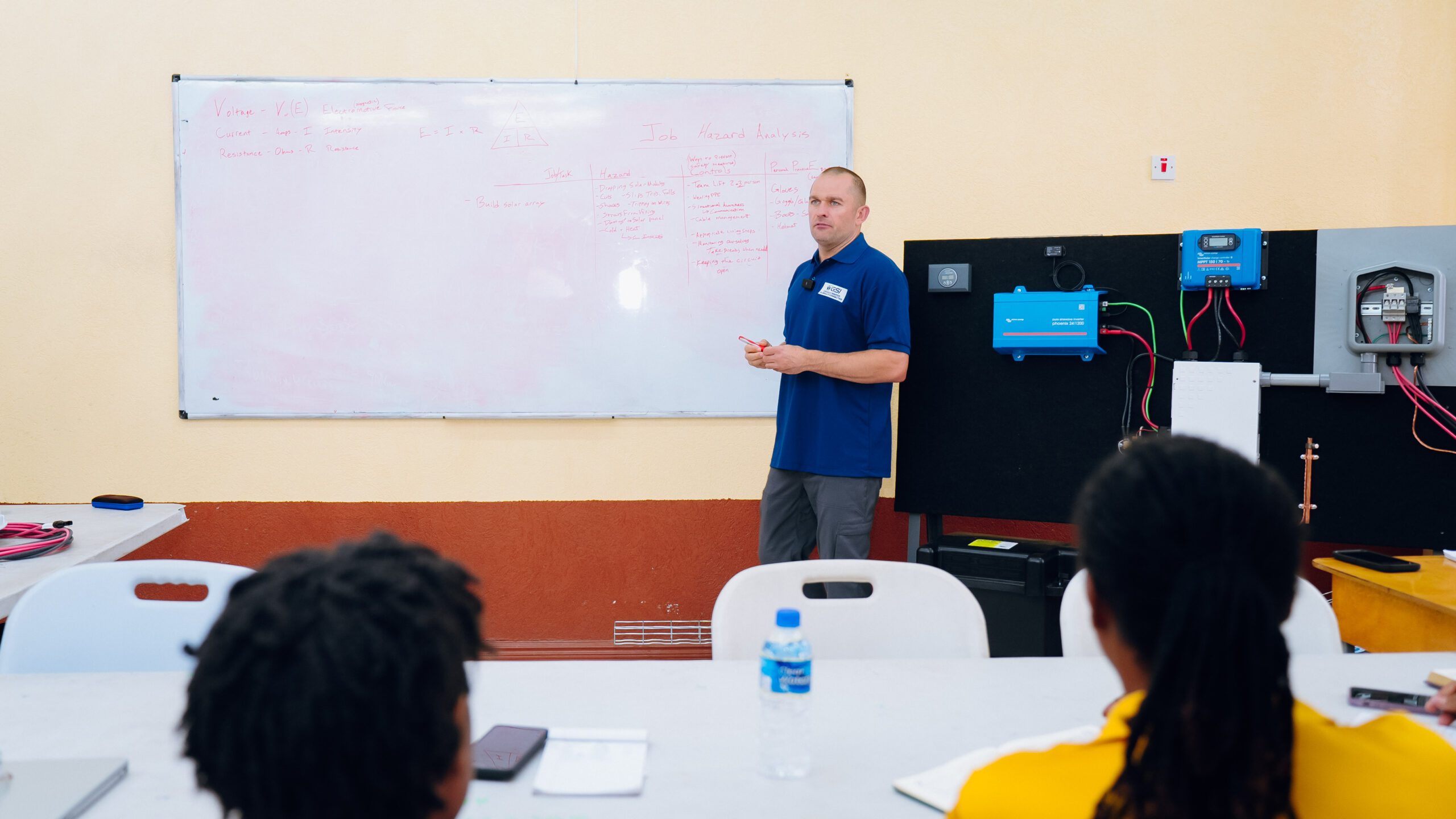
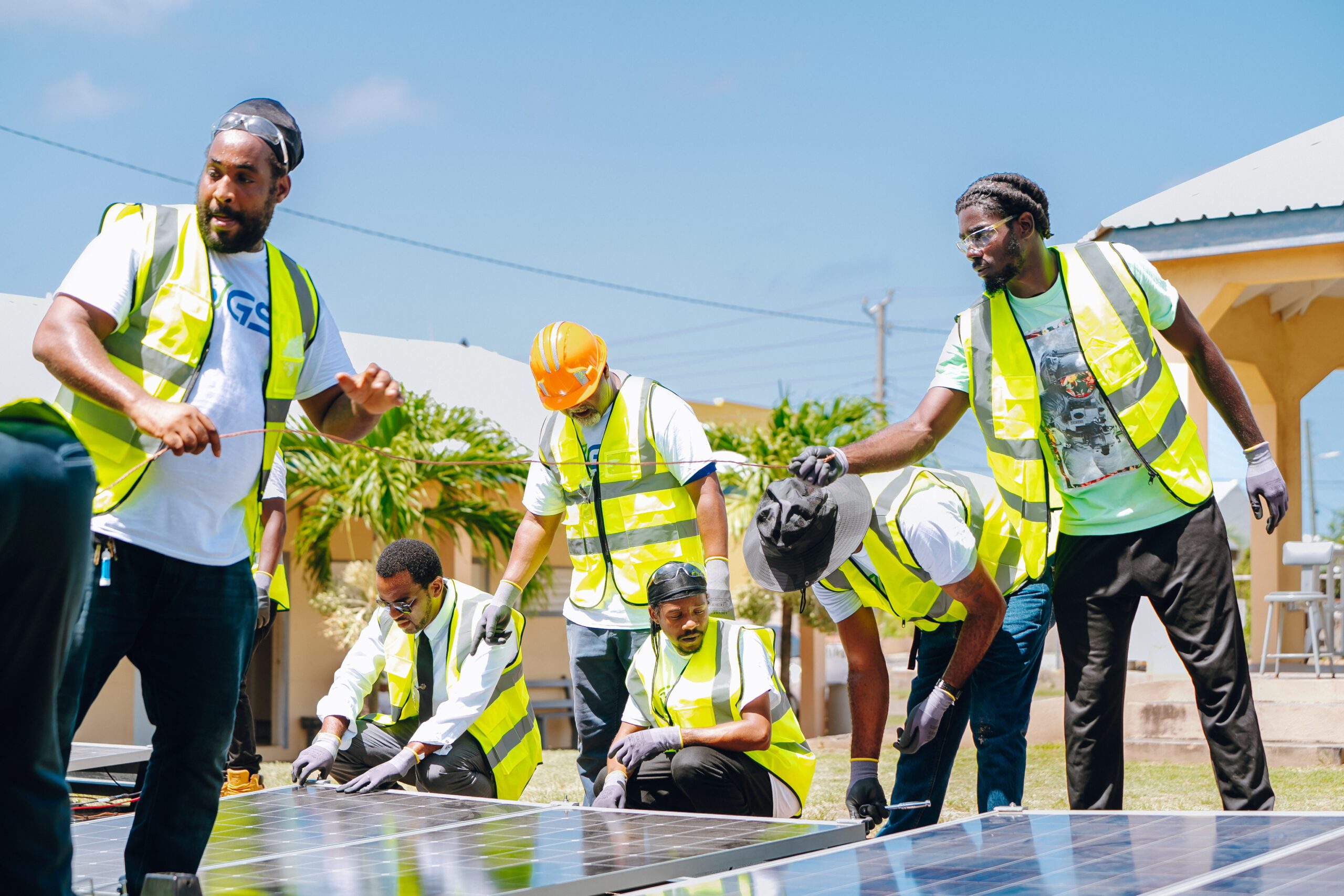
Across the islands, solar energy is no longer viewed as an alternative option; it has become a critical solution for powering homes, businesses, schools, and health facilities. To meet the demand for safe, efficient, and high-quality installations, organizations such as Green Solutions International SKN Inc. (GSI) have stepped forward to provide world-class solar PV education. By offering training aligned with global standards, including the North American Board of Certified Energy Practitioners (NABCEP) curriculum, GSI ensures that participants gain both theoretical knowledge and the practical skills required to perform installations confidently and professionally.
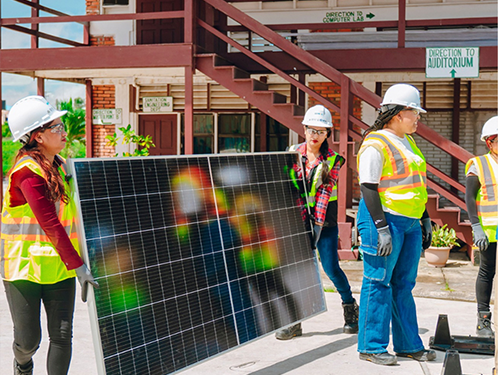
This emphasis on high-quality training is reshaping the region’s job landscape. Many individuals who previously worked in unrelated fields—such as construction, electrical maintenance, or customer service—are now transitioning into solar careers after completing structured training programs. Others are enhancing their existing skills, allowing them to take on specialized roles such as system designers, inspectors, or energy auditors. What makes solar training particularly impactful is that it empowers people from all backgrounds, including youth, women, and workers in underserved communities, to access stable jobs in a fast-growing industry. These opportunities are helping families increase their income, reduce unemployment, and contribute directly to the region’s green economy.
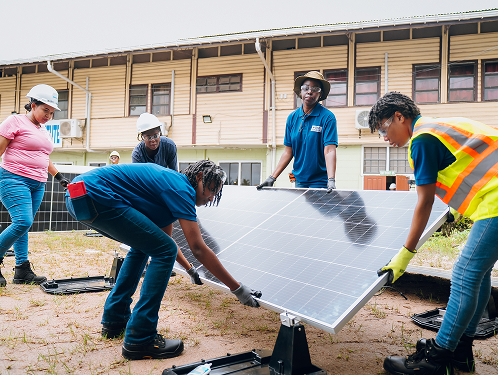
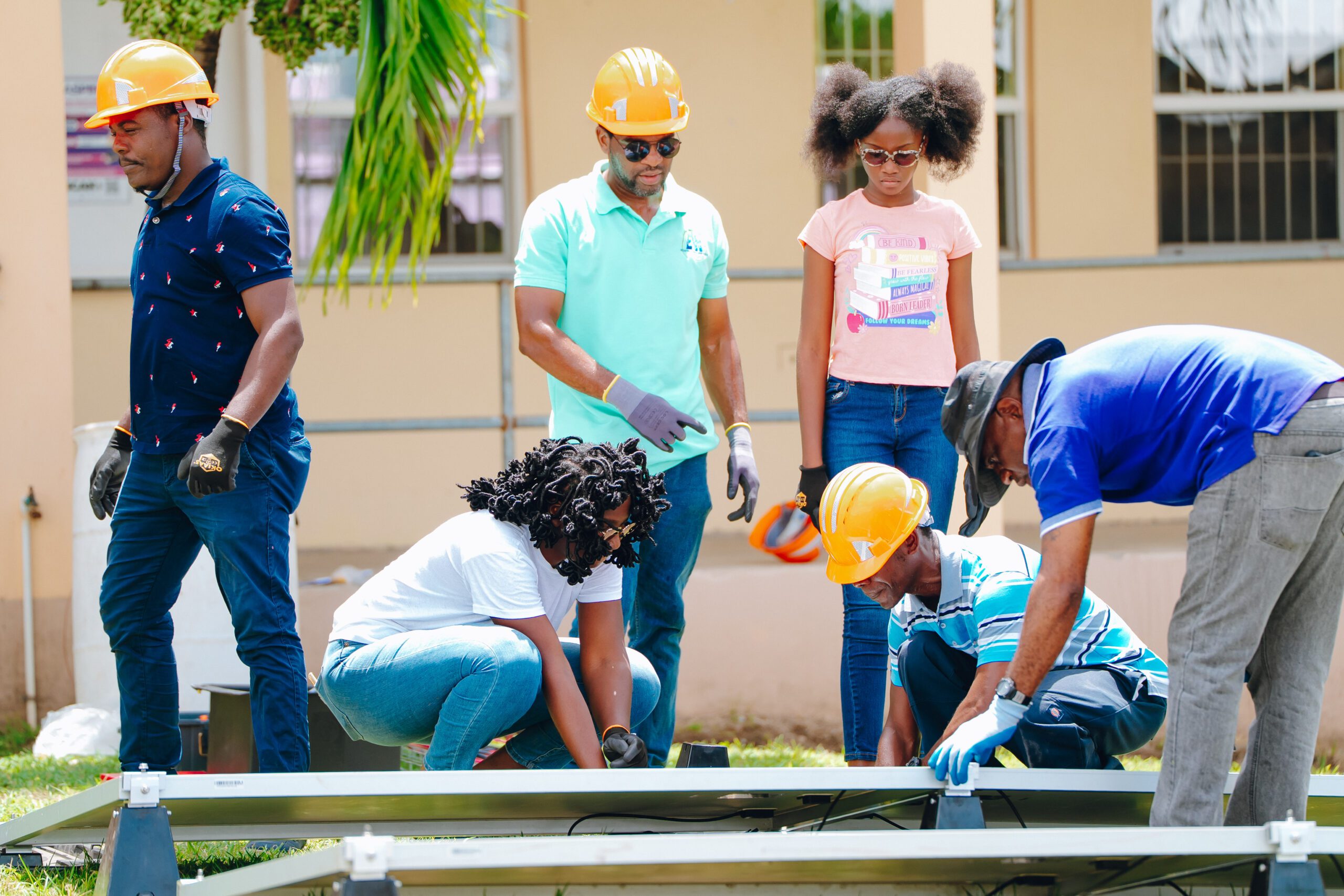
The demand for solar energy expertise has been accelerated by regional and international partnerships. Through collaborations with organizations such as USAID, the Caribbean Development Bank (CDB), and the Organization of Eastern Caribbean States (OECS), training programs have expanded significantly over the past few years. Many of these initiatives combine online learning with hands-on practical sessions, giving participants the flexibility to complete coursework while still gaining field experience. These partnerships have also made solar education more accessible by offering scholarships, subsidized training fees, and community learning programs designed for underserved populations. As a result, individuals who once saw solar careers as out of reach are now joining a modern, future-focused workforce.
Solar training is not only creating jobs but also strengthening the long-term energy resilience of the Caribbean. With the region’s vulnerability to hurricanes, fuel price fluctuations, and grid instability, building a workforce skilled in renewable technologies is essential. Certified installers and technicians ensure that solar systems are safe, durable, and capable of withstanding extreme weather conditions. This professional expertise reduces installation failures, enhances energy reliability, and increases consumer confidence in renewable technology. As more workers gain certification, the region becomes less dependent on external contractors, retaining technical knowledge within local communities and supporting long-term sustainability goals.
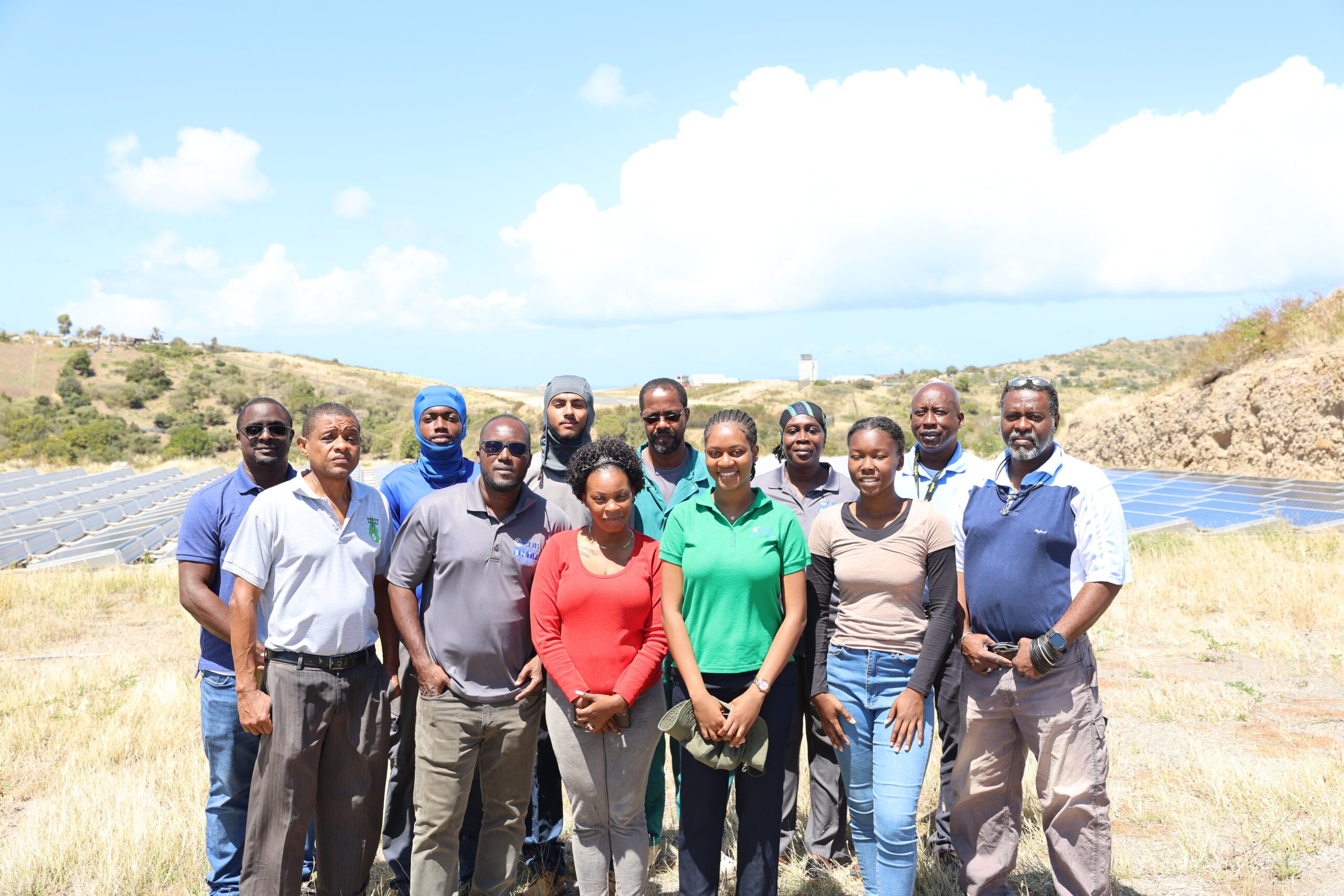
The transformation is especially visible in small islands where traditional energy options are limited. Solar training has empowered residents to install and maintain systems for local clinics, schools, and community centers, improving access to energy in remote areas. In places where fuel delivery is unreliable or expensive, solar PV systems have reduced operating costs and provided a consistent power supply during emergencies. Trained technicians from these communities play a vital role in keeping systems operational, ensuring that essential services remain available when they are needed most.
Another significant shift brought by solar training is the rise of entrepreneurship. With the right skills and certification, many Caribbean citizens are launching small businesses specializing in solar installation, maintenance, battery storage integration, and energy efficiency solutions. These businesses create additional jobs, stimulate local economies, and increase the availability of renewable energy services across the region. As more entrepreneurs enter the market, healthy competition drives innovation and encourages higher-quality installations.
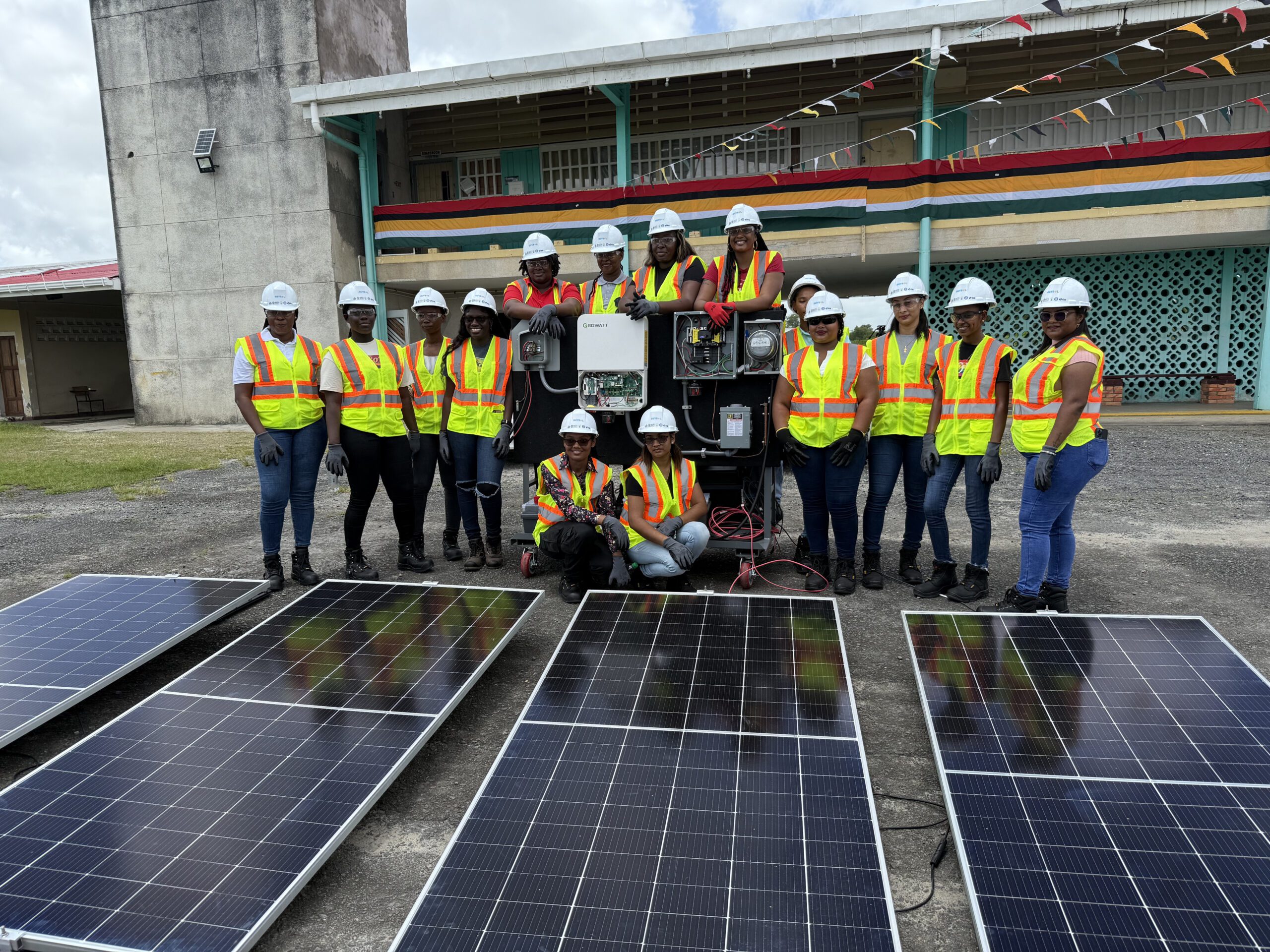
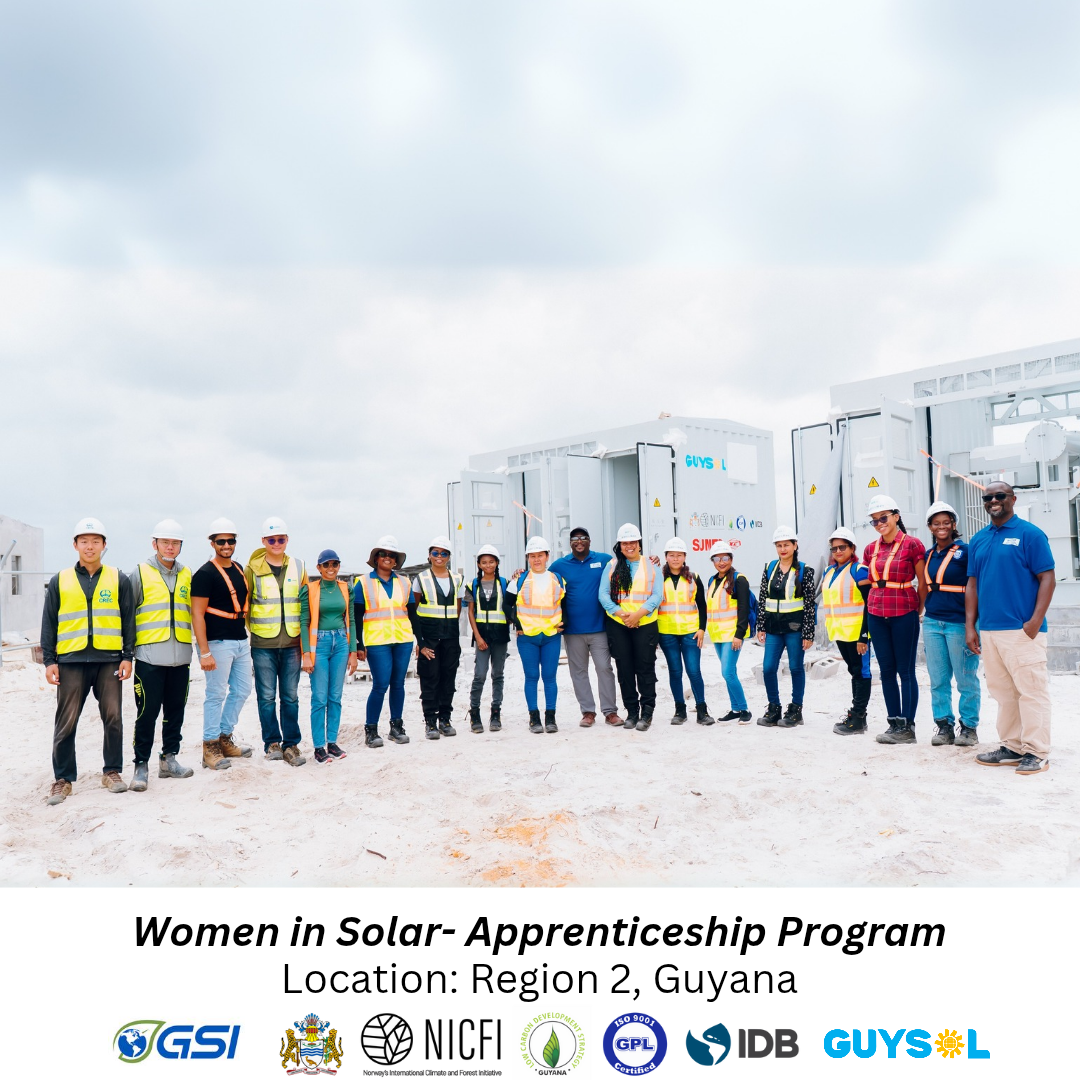
Women are also playing an increasingly important role in this transformation. Solar training programs that actively recruit and support women have opened doors to career paths traditionally dominated by men. Women who complete NABCEP-aligned training often move into roles as technicians, project coordinators, engineers, and community educators. Their participation not only strengthens workforce diversity but also inspires young girls across the Caribbean to pursue careers in science, technology, and renewable energy.
As the Caribbean moves further along its clean energy journey, solar training remains a powerful engine of progress. Each trained installer, inspector, or designer contributes to a workforce capable of powering the region’s future with sustainable, reliable, and affordable energy. With ongoing investment, international partnerships, and continuous education, the Caribbean is building a skilled workforce that can lead the region toward energy independence. By transforming jobs today, solar training is shaping a brighter, more resilient tomorrow for all Caribbean communities.