Skip to content
Solar power is emerging as a transformative force across the Caribbean, bringing cleaner, more reliable, and more affordable energy to the region’s health facilities. For islands that face frequent power outages, high fuel import costs, and vulnerability to extreme weather, renewable energy is not just an environmental choice—it is a public health necessity. As solar installations expand, clinics and hospitals are experiencing improved service delivery, strengthened emergency readiness, and reduced operational expenses. These advancements are creating safer, healthier communities and supporting long-term national resilience.
In many Caribbean nations, health services depend heavily on consistent electricity to operate critical equipment such as refrigeration units for vaccines, diagnostic machines, laboratory tools, and emergency medical devices. Yet power cuts remain common, especially during hurricanes, storms, and natural disasters. When the grid fails, health centers are left scrambling to maintain continuity of care. Solar energy, combined with battery storage, offers a stable solution by providing uninterrupted power that keeps essential systems running even during prolonged outages. This capability is saving lives, particularly in remote islands where healthcare access is already limited.
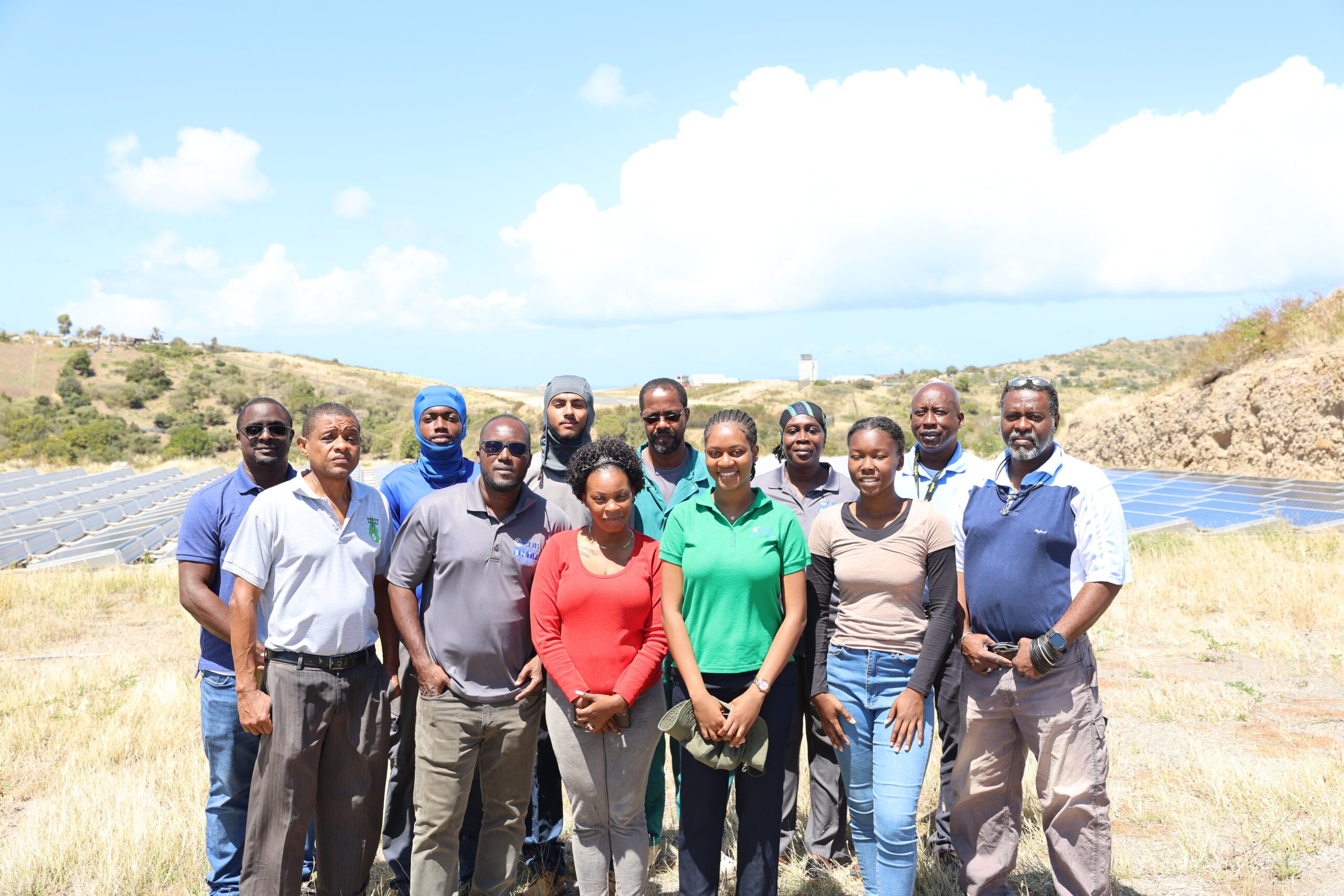
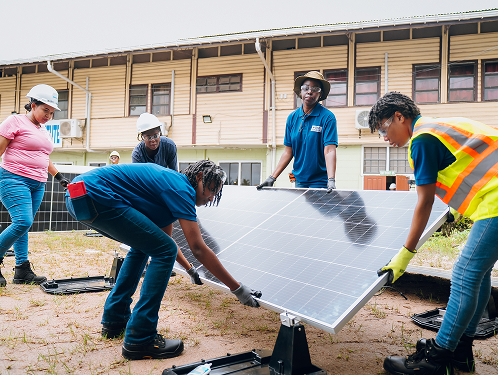
One of the most impactful renewable energy initiatives in the region is led by Green Solutions International SKN Inc. (GSI). Through training programs, project leadership, and technical expertise, GSI has helped deliver solar PV systems to healthcare facilities across various Caribbean territories. Their work in Montserrat, for example, has equipped health centers and clinics with reliable solar systems that reduce dependence on diesel generators. These installations not only power day-to-day operations but also provide essential backup during emergencies. As climate threats intensify, this level of energy resilience is becoming vital for frontline healthcare providers.
Solar-powered health facilities also help reduce operational costs, allowing governments and clinics to redirect savings toward patient care, staffing, medicine, and equipment. Traditional electricity costs in the Caribbean are among the highest in the world due to reliance on imported fuel. By adopting solar, health centers can dramatically lower energy expenses and operate more sustainably in the long term. This financial relief is especially valuable for small islands with limited public health budgets. Solar power creates a dependable infrastructure that keeps healthcare facilities functioning efficiently without straining national resources.
Another major benefit of solar integration in healthcare is environmental responsibility. Caribbean islands are on the front lines of climate change, facing rising sea levels, stronger hurricanes, and unpredictable weather patterns. Healthcare facilities adopting solar energy help reduce carbon emissions and contribute to global climate goals. At the same time, this shift supports national strategies for cleaner, greener development. When hospitals and clinics adopt renewable energy, they set an example for communities, encouraging residents and businesses to explore solar solutions for their own needs.
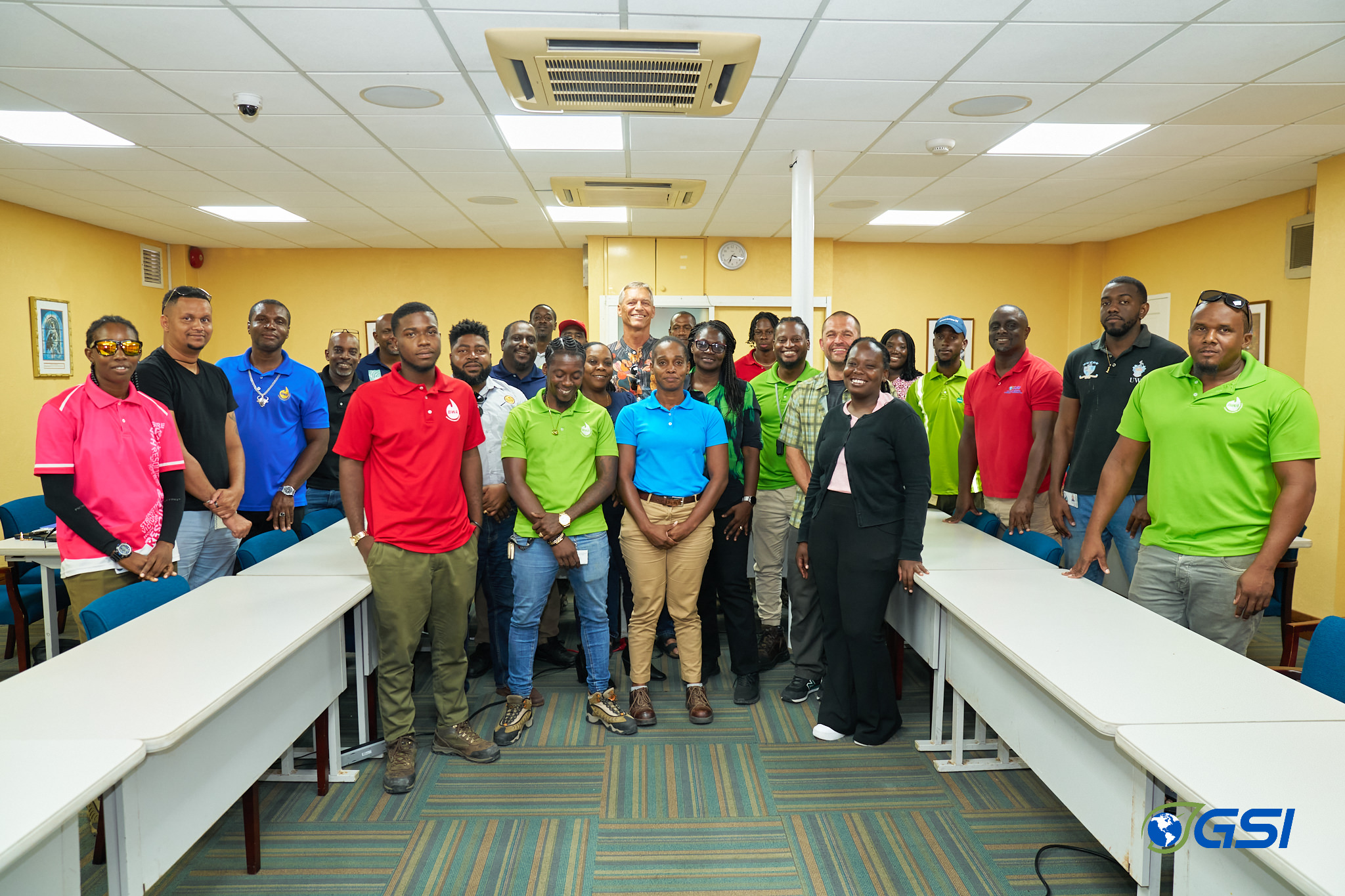
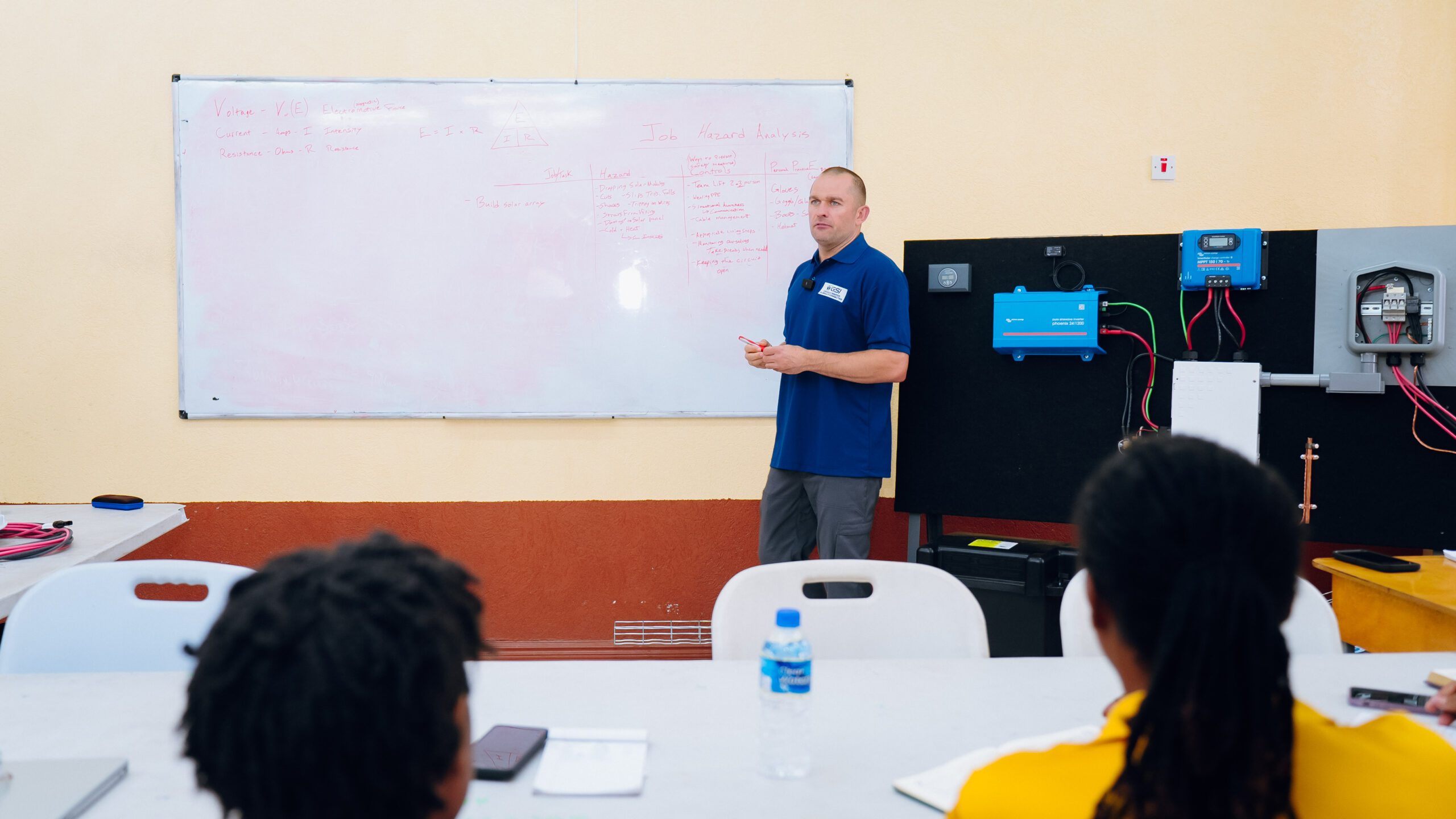
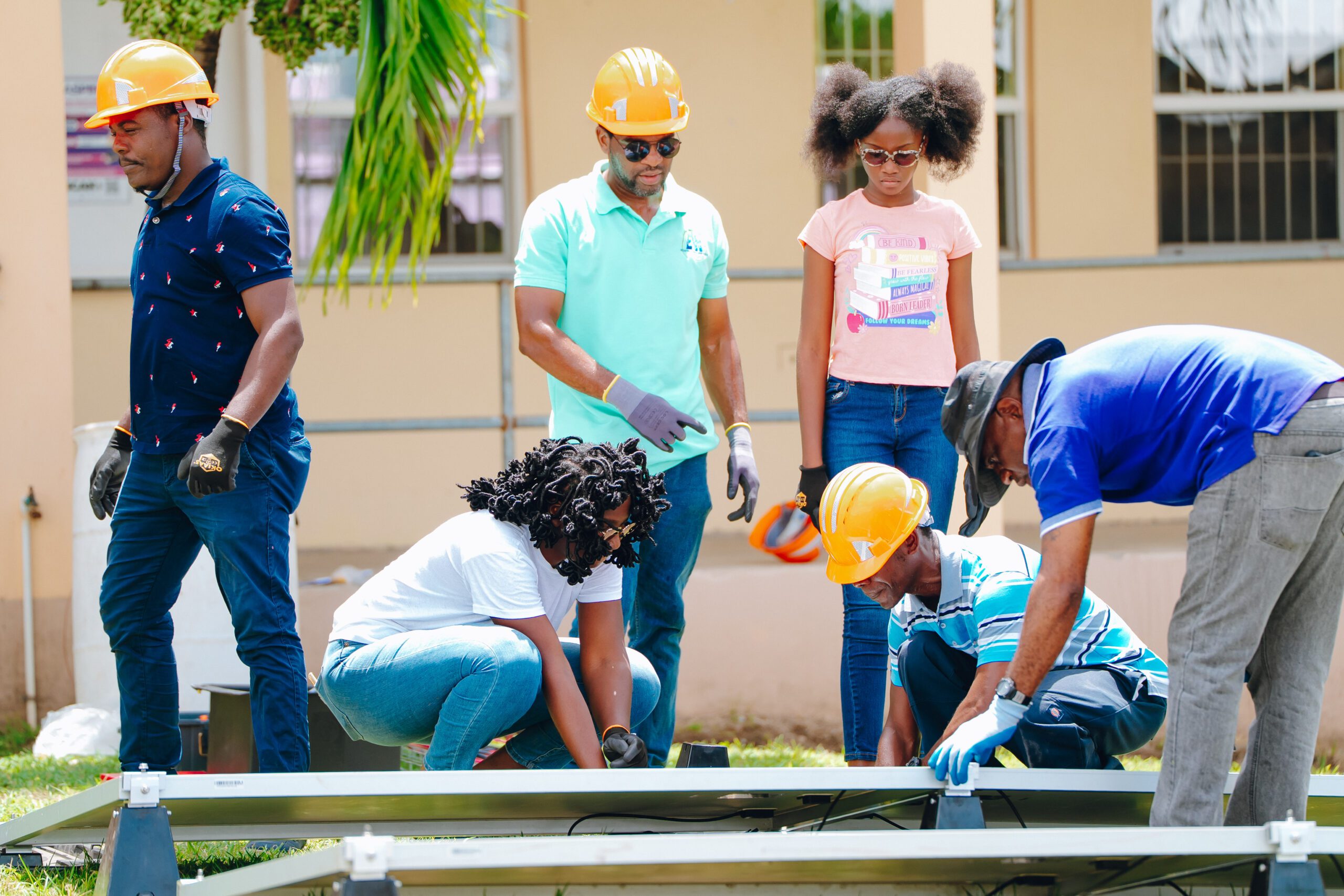
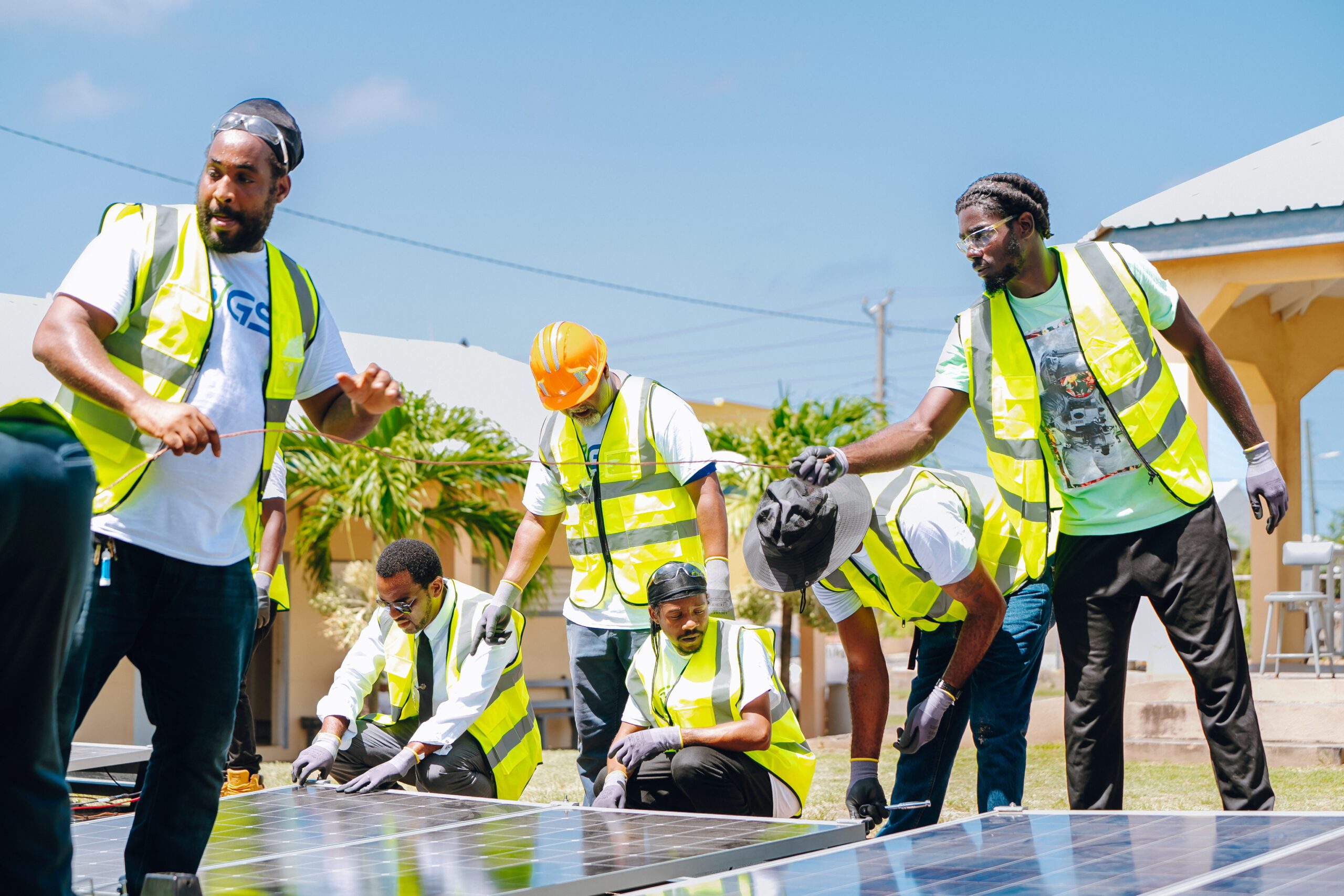
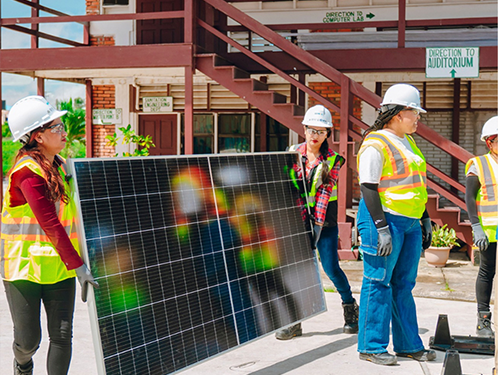
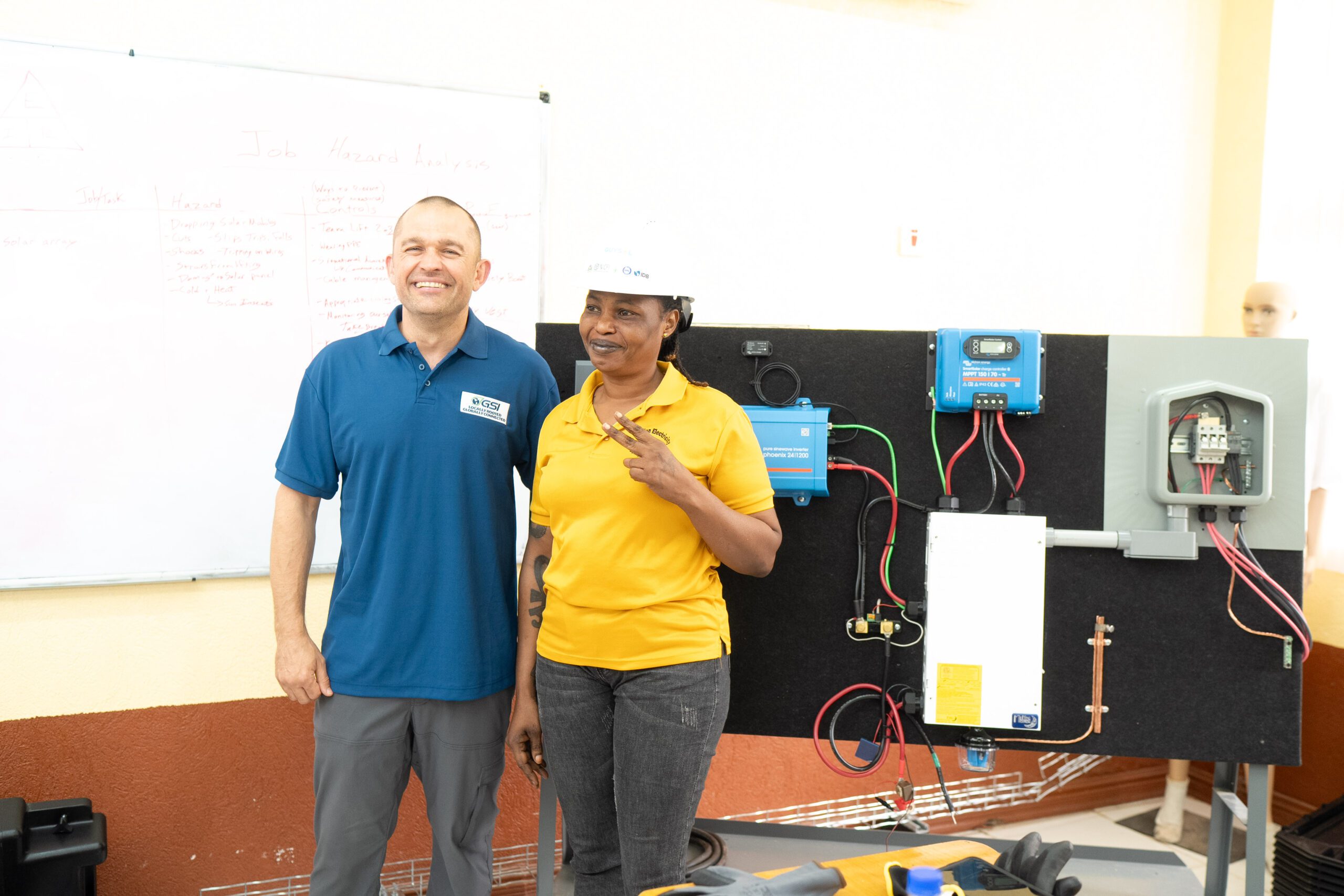
A key factor driving the success of solar projects in the Caribbean is the growth of a trained, certified renewable energy workforce. Organizations like GSI play a vital role in preparing technicians to install, maintain, and troubleshoot solar PV systems. Through internationally recognized certifications such as NABCEP, trainees acquire the advanced knowledge needed to ensure systems are safe, efficient, and long-lasting. As more Caribbean citizens gain these skills, the region becomes capable of managing its energy transition independently, reducing reliance on foreign contractors and fostering economic growth through green jobs.
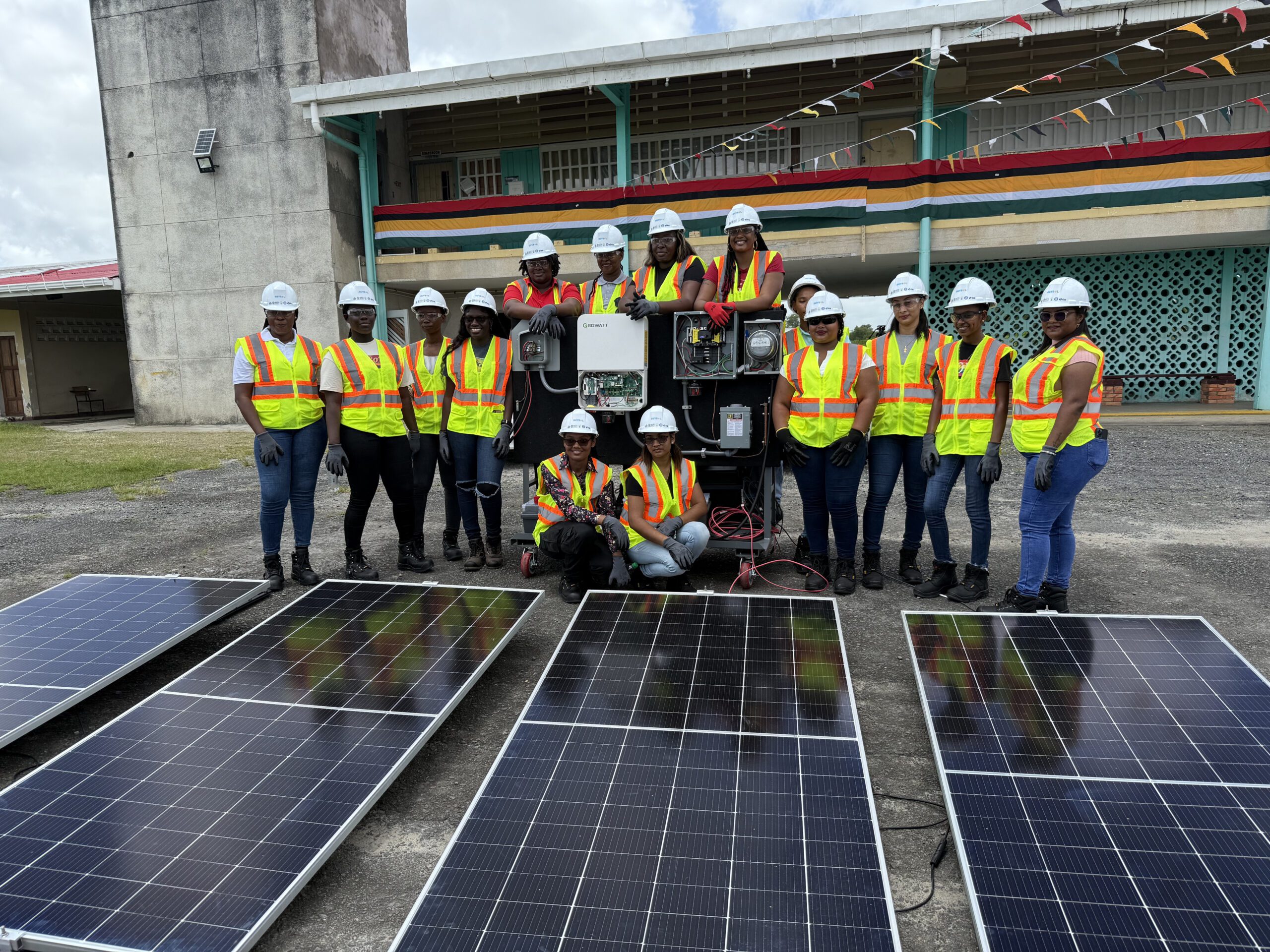
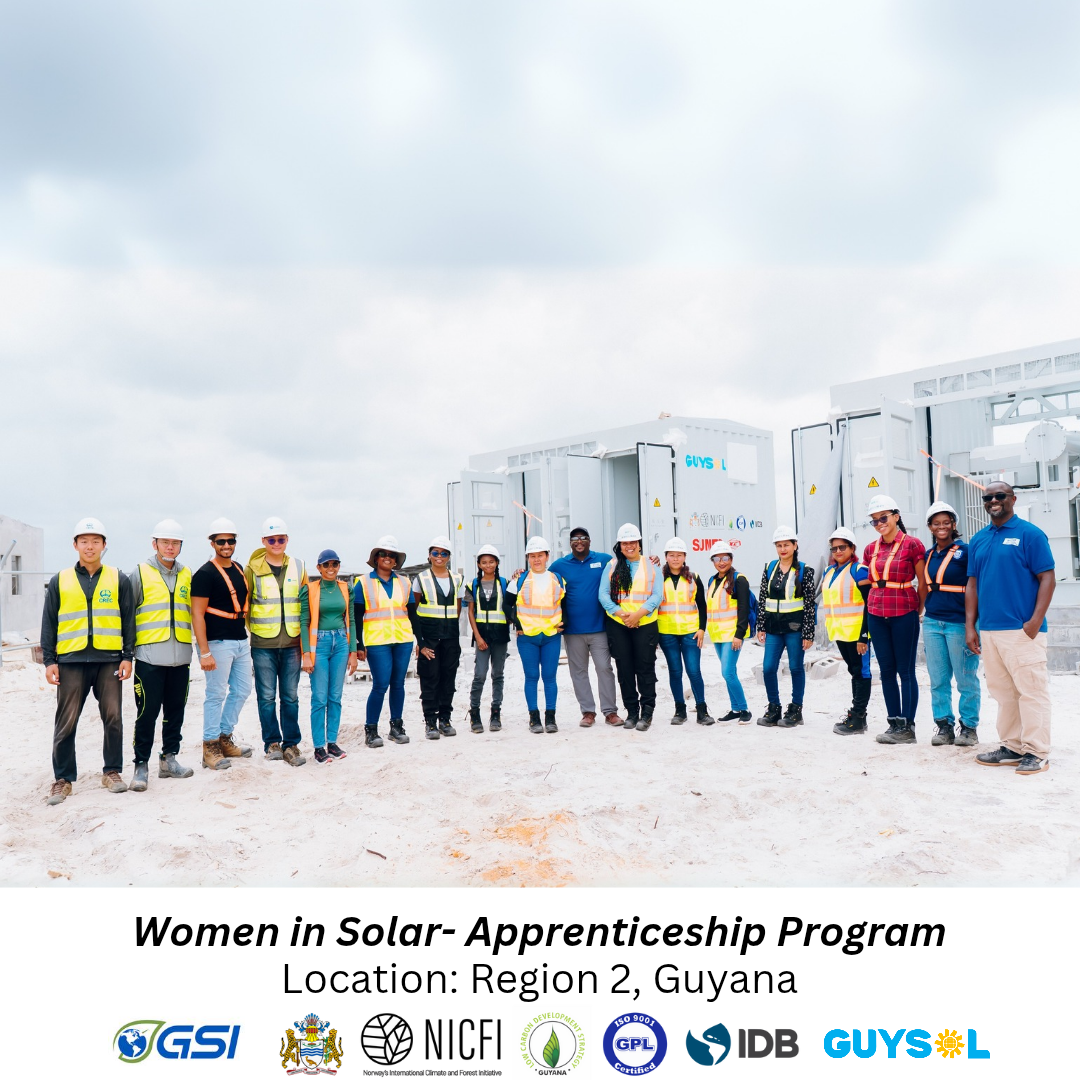
These training programs also emphasize inclusion, ensuring opportunities for women and young people who have historically been underrepresented in technical fields. As they enter the renewable energy workforce, they bring fresh perspectives, create new professional pathways, and contribute to building stronger, more diverse communities. Their participation ensures that the benefits of the clean energy transition reach every segment of society, including underserved areas that depend on accessible, reliable health services.
Solar energy’s impact on healthcare goes beyond powering lights and equipment. It enhances community trust, improves medical outcomes, and strengthens national preparedness. Clinics with solar power can store vaccines safely, run diagnostic labs smoothly, provide emergency services without interruption, and maintain sanitary conditions even during grid failures. For pregnant women, chronically ill patients, children, and the elderly, this reliability can mean the difference between life and death. In disaster-prone regions, solar-powered health facilities often become community hubs—places where residents seek shelter, charge devices, and access critical resources when the surrounding area is without electricity.
As Caribbean governments continue to prioritize sustainability, solar power will play an increasingly central role in shaping the future of healthcare. With growing local expertise, strong partnerships, and proven success across multiple islands, the region is well-positioned to build a resilient, modern, and equitable health system powered by clean energy. Investments made today will create healthier communities, stronger infrastructure, and a more secure future for generations to come.