Skip to content
Clean energy partnerships are reshaping the future of the Caribbean by expanding access to training, strengthening technical capacity, and accelerating the development of a skilled renewable energy workforce. As Caribbean nations work toward energy independence and climate resilience, collaborations between regional institutions, international agencies, and educational organizations are becoming essential drivers of progress. These partnerships are not only advancing clean energy adoption but also creating new economic pathways for citizens across the islands. At the center of this transformation is the growing demand for technical skills in solar photovoltaic systems, energy auditing, battery storage, electric vehicle maintenance, and clean energy project management. By aligning global knowledge with local needs, clean energy partnerships are enabling Caribbean professionals to gain the competencies required to thrive in a rapidly evolving energy landscape.
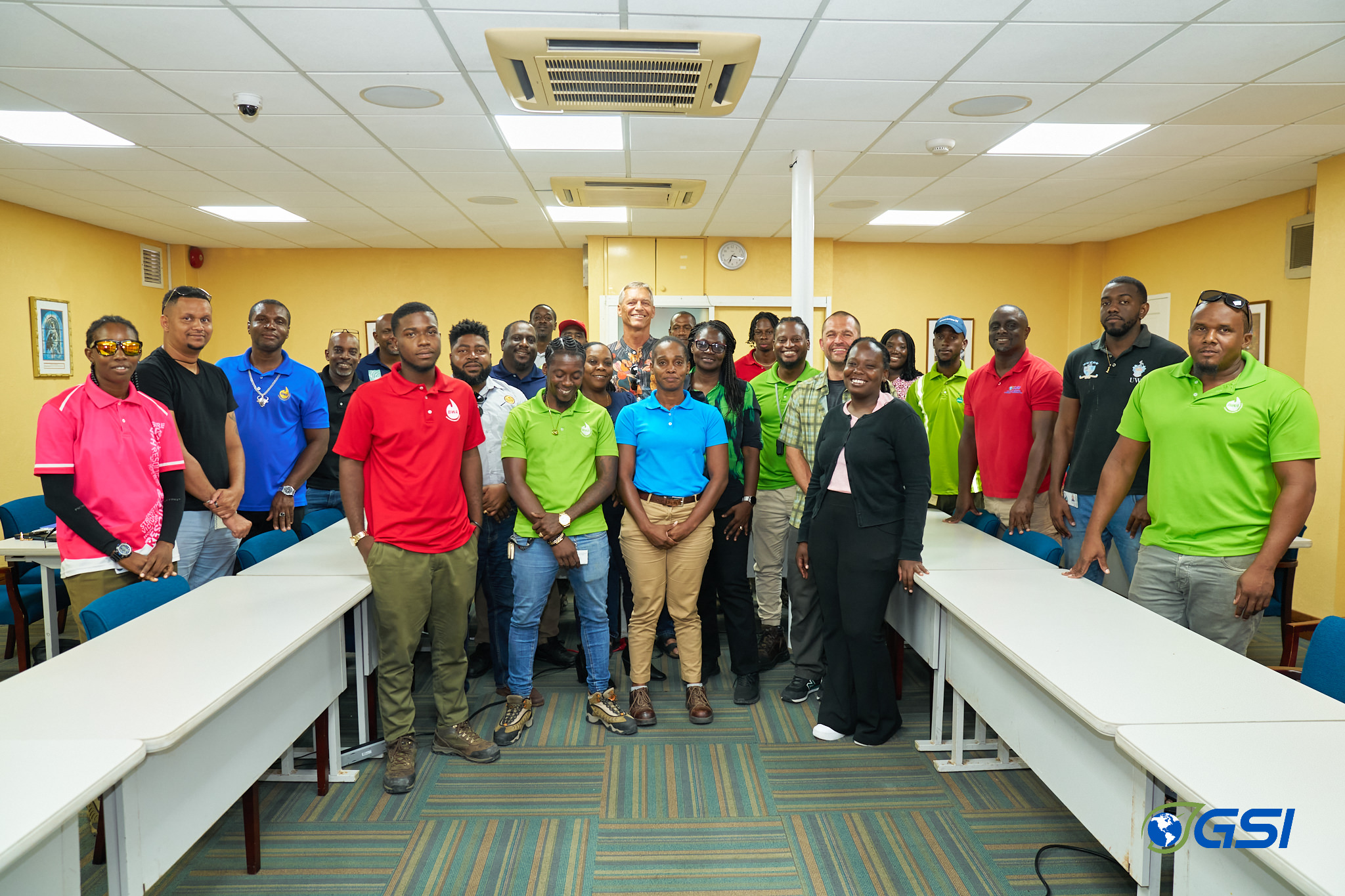
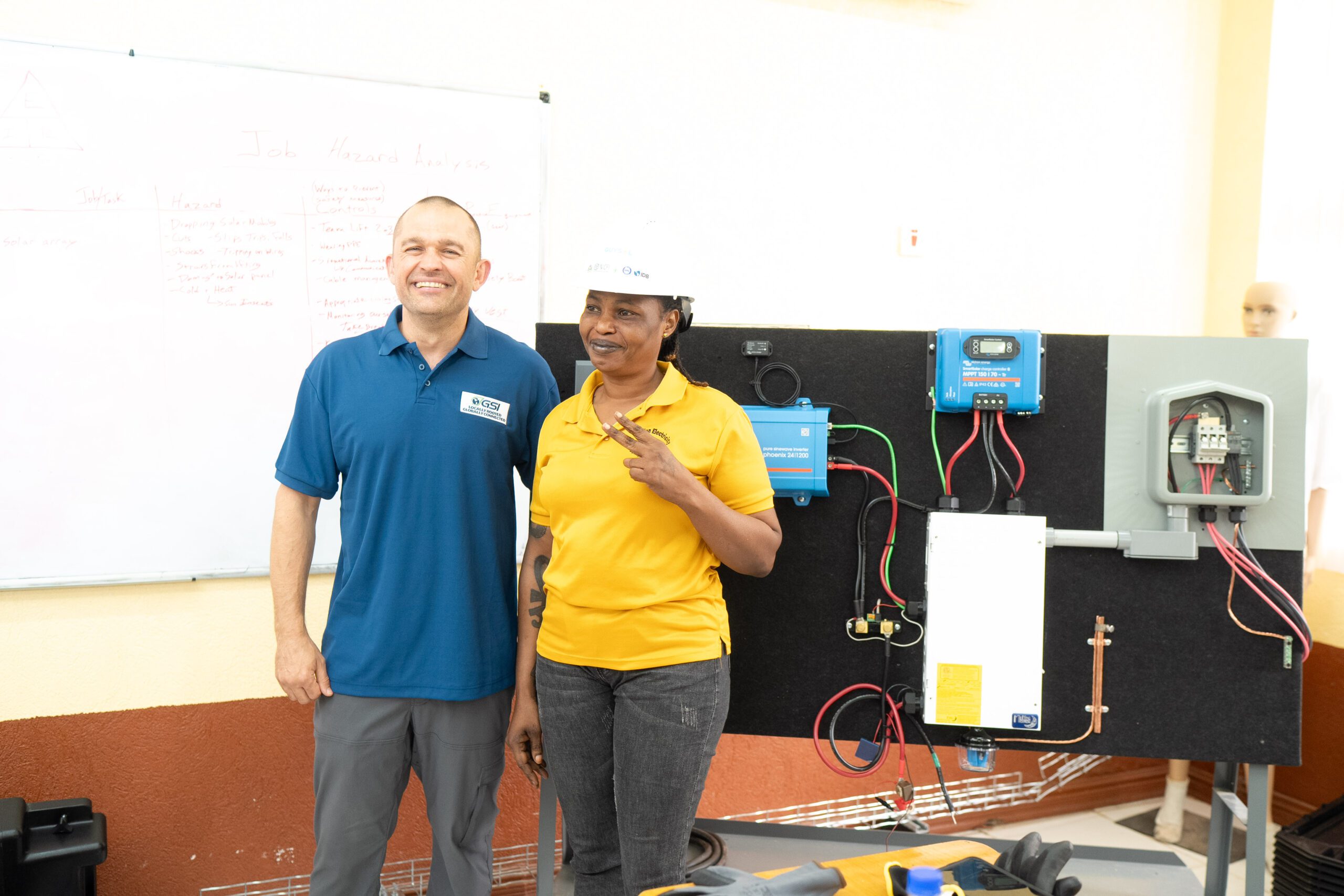
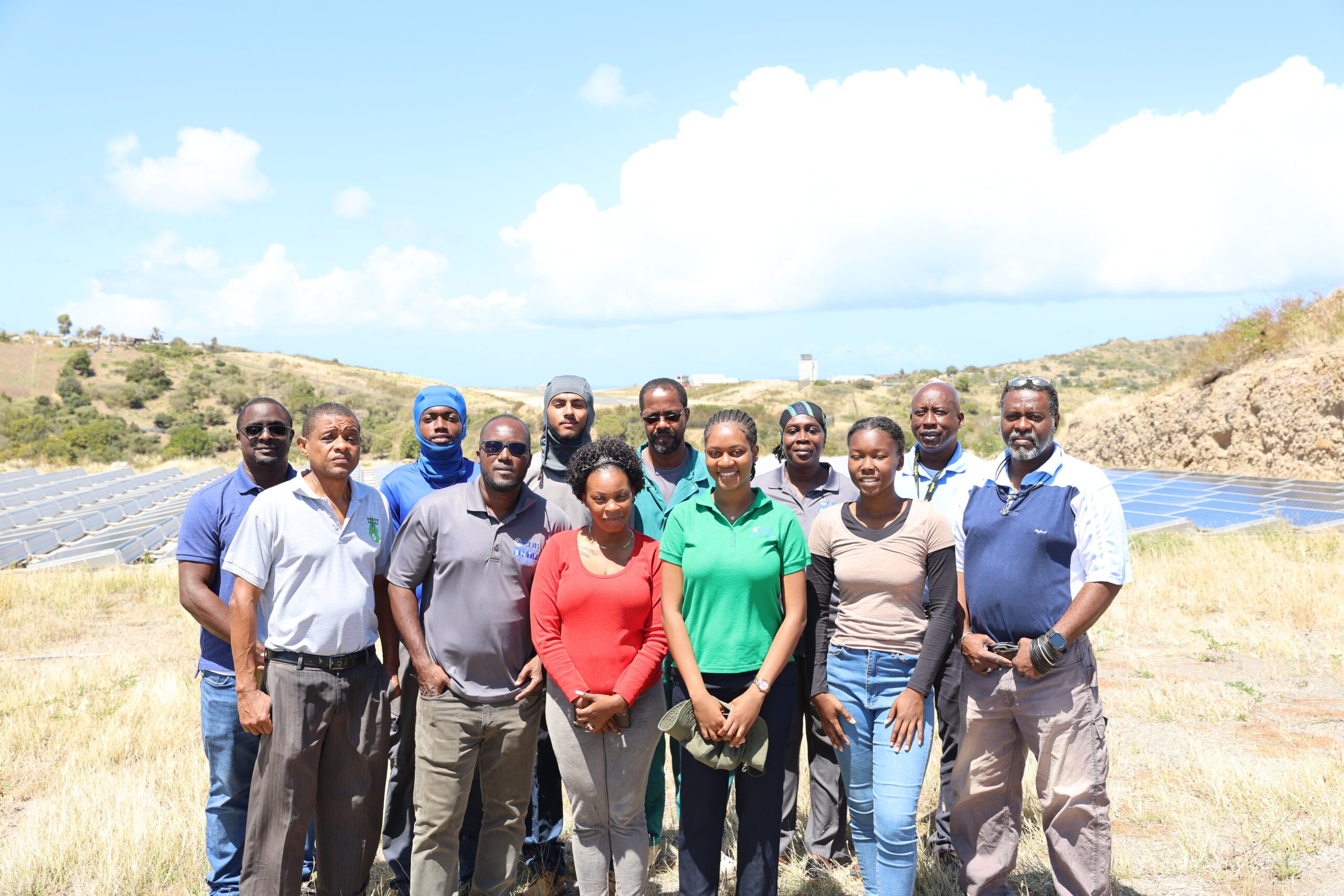
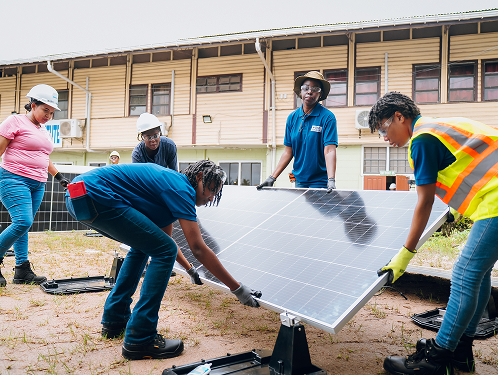
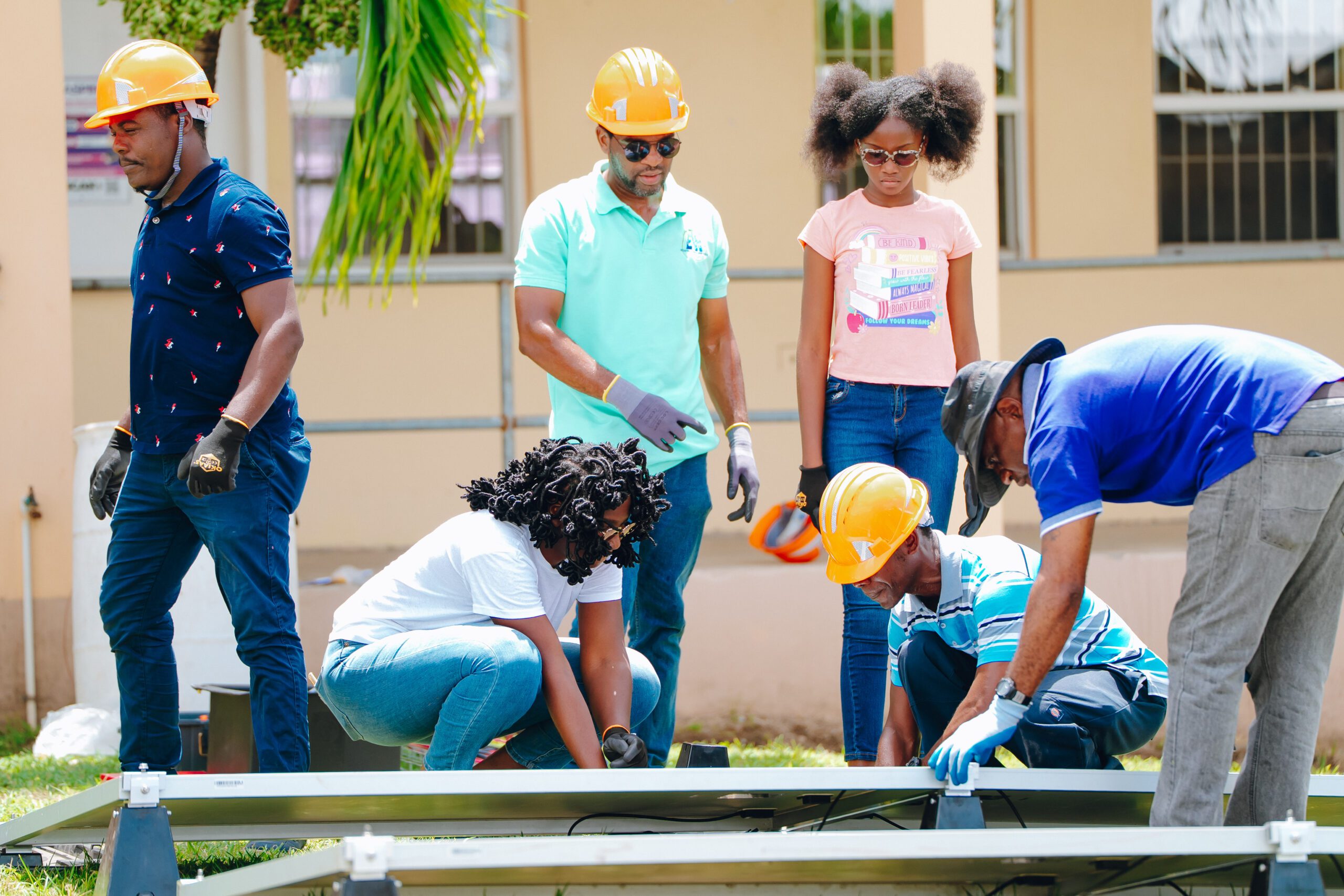
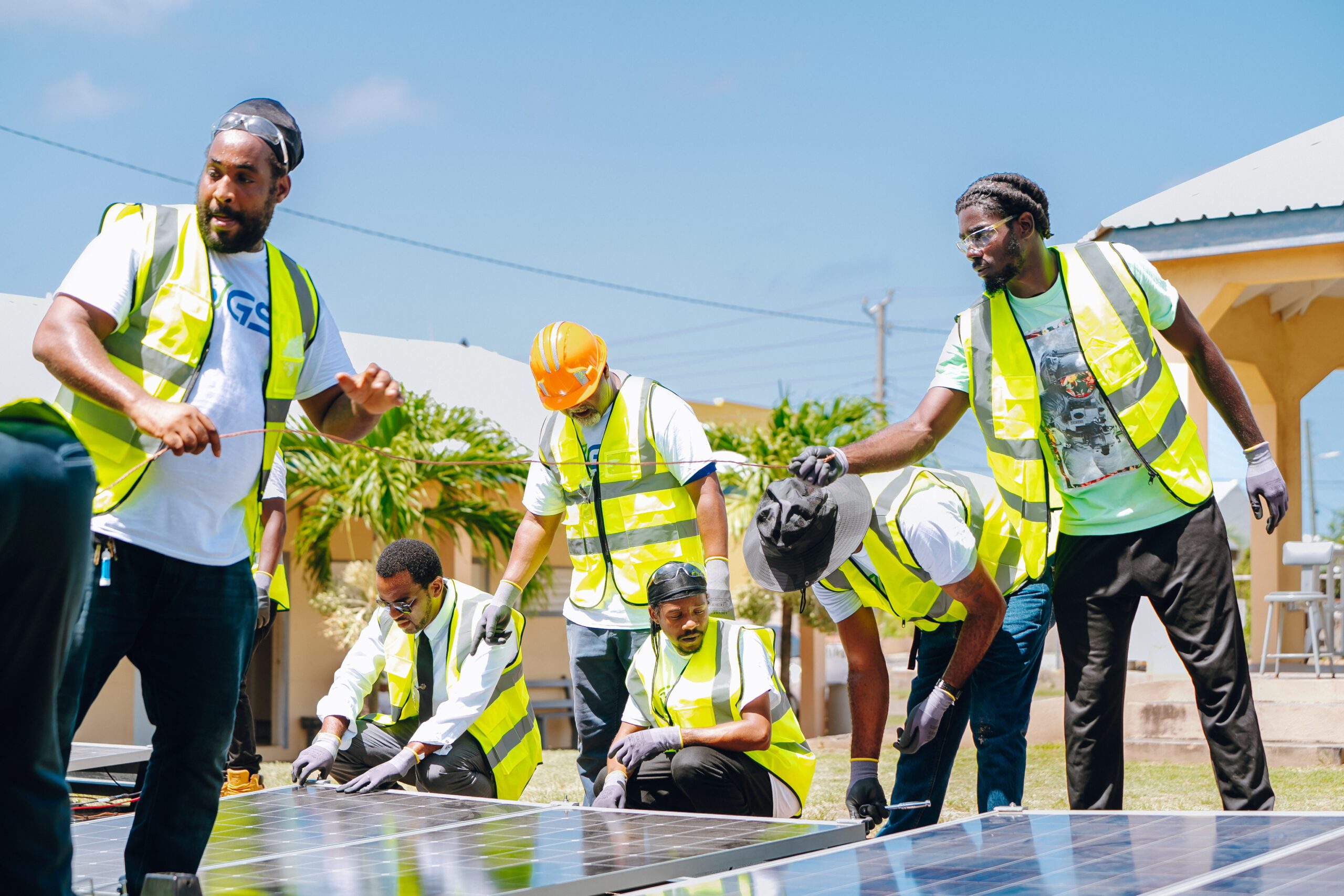
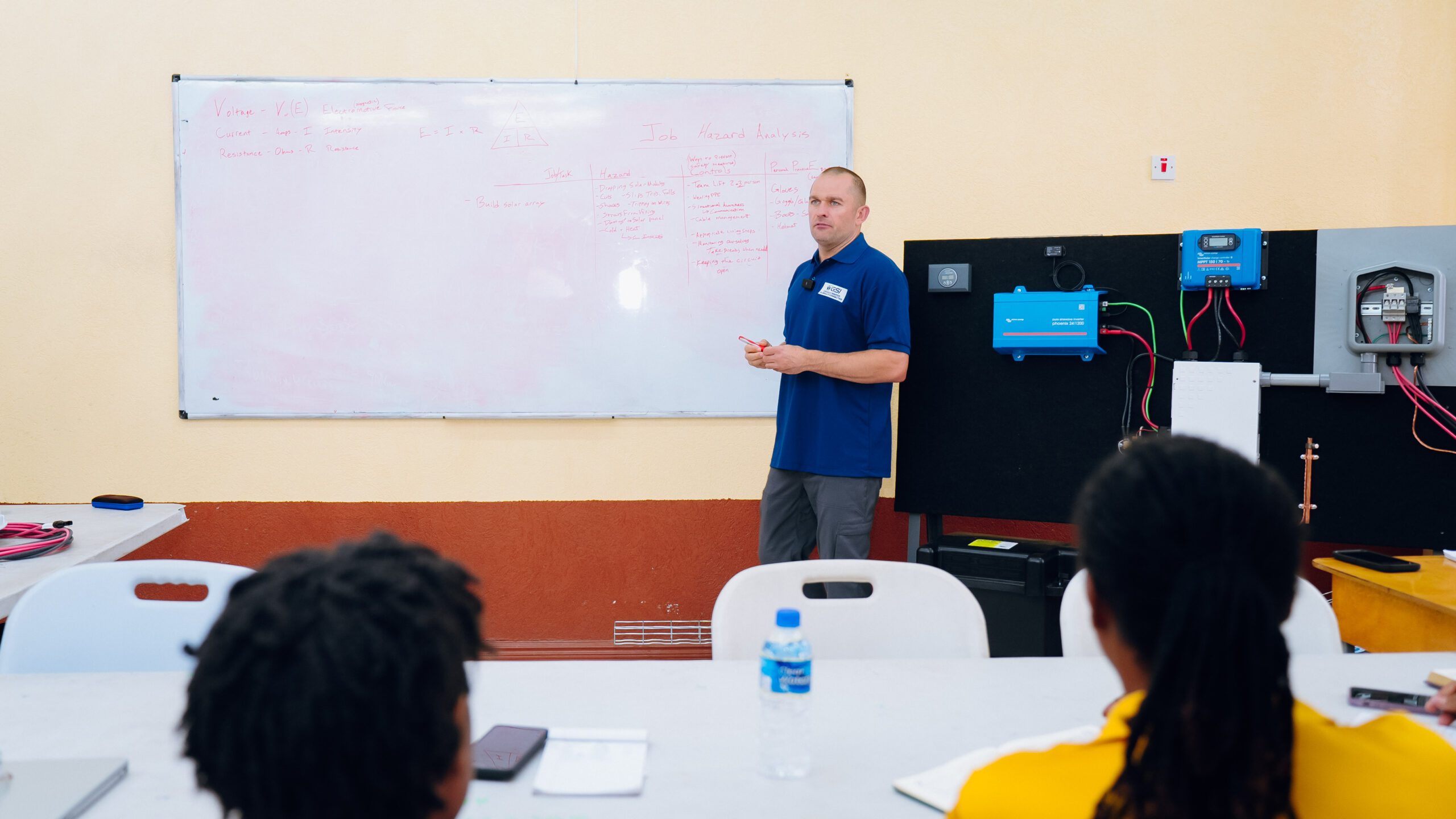
One of the most impactful contributions of these partnerships is the expansion of certified technical training across the region. Programs such as the North American Board of Certified Energy Practitioners (NABCEP) Associate Training have become widely recognized as a standard for excellence in solar PV design, installation, and inspection. Through organizations like Green Solutions International SKN Inc. (GSI), trainees gain hands-on experience and internationally respected credentials that improve job readiness and industry credibility. These programs are often implemented in collaboration with major development partners, including USAID, the Caribbean Development Bank (CDB), and the Organization of Eastern Caribbean States (OECS). Their support ensures that training remains accessible, comprehensive, and aligned with global best practices, while also addressing local workforce requirements and national energy targets.
The strength of these partnerships lies in their ability to bridge resource gaps and create a unified regional approach to clean energy workforce development. Many Caribbean nations face challenges such as limited technical training facilities, high energy costs, vulnerability to natural disasters, and a shortage of certified professionals. Through multi-country collaborations, stakeholders pool resources, share research, and develop standardized curricula that can be implemented across different islands. This coordinated model not only improves training quality but also ensures consistency in the skills and knowledge of professionals entering the clean energy sector. As a result, Caribbean nations are becoming better equipped to install, manage, and maintain renewable systems with high levels of safety and reliability.
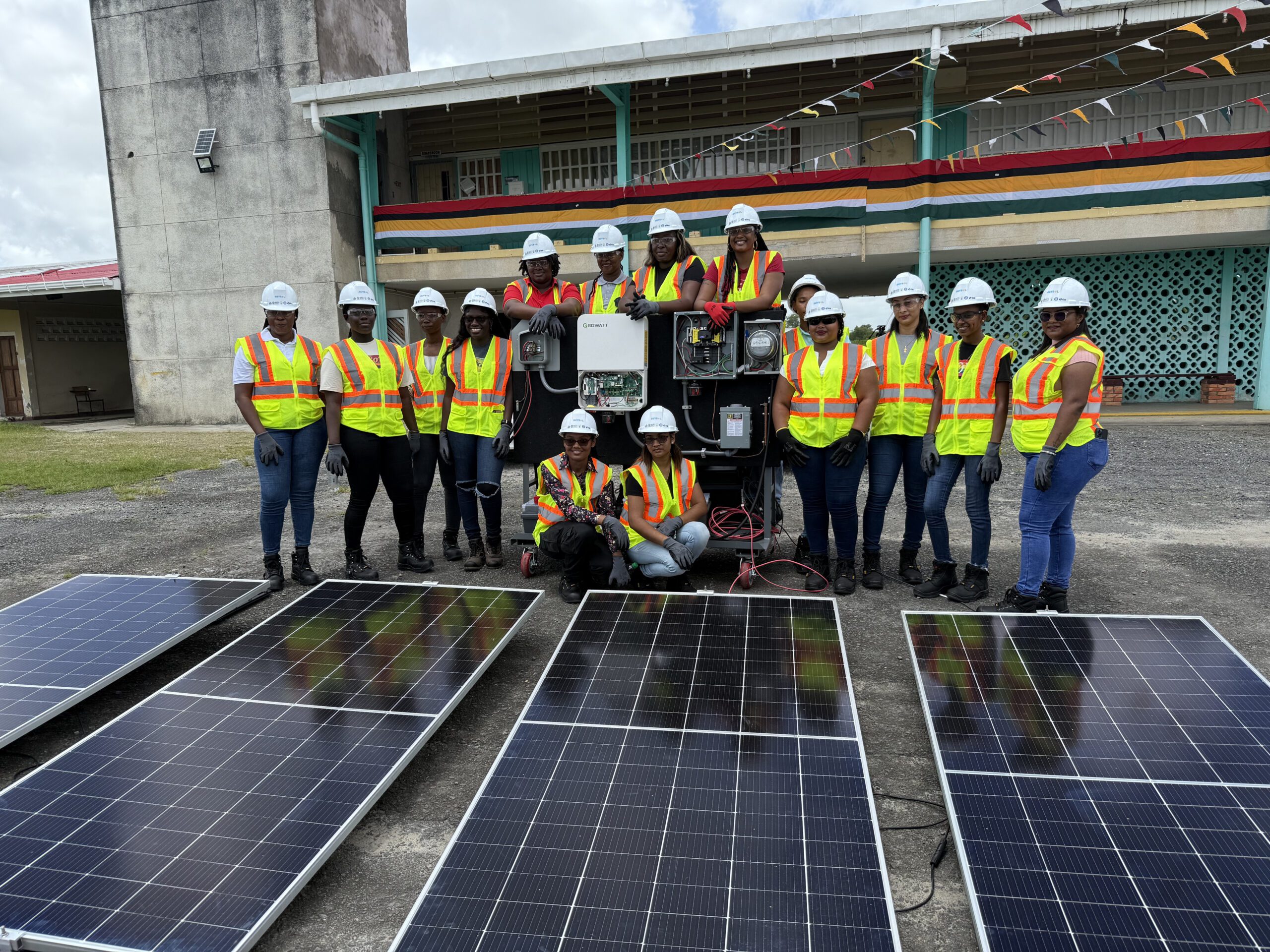
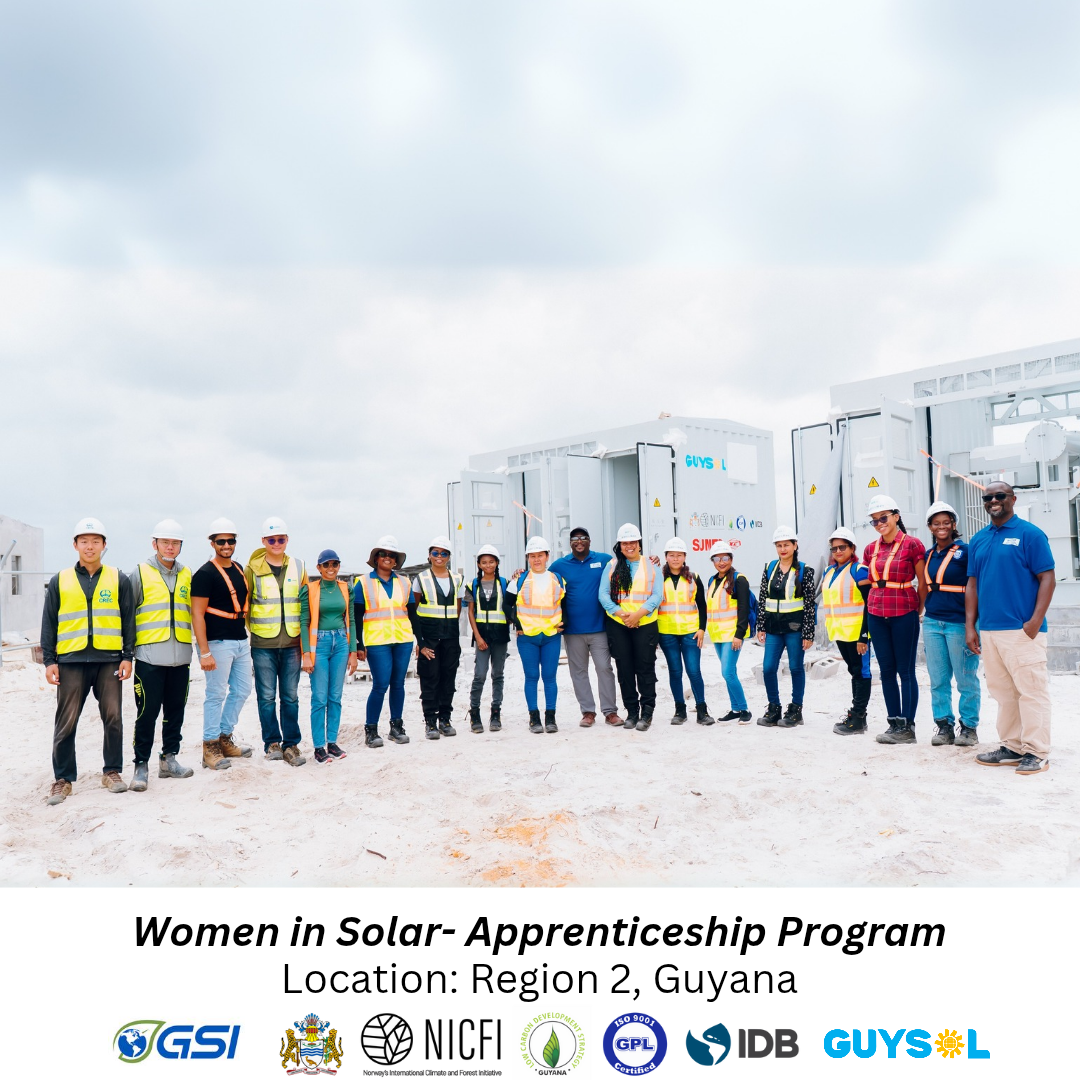
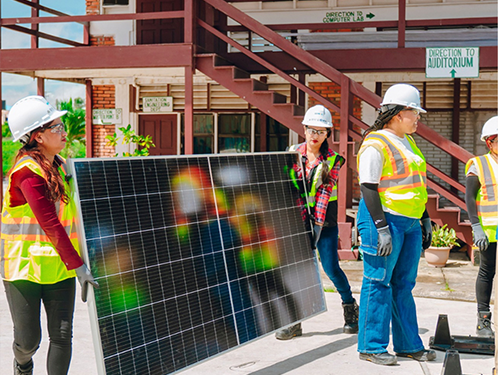
Clean energy partnerships have also played a vital role in promoting inclusion and expanding opportunities for underrepresented groups. Women, in particular, are benefiting from dedicated training initiatives that encourage participation in solar installation, energy management, and electric vehicle technology—fields that were historically male-dominated. Programs funded through regional and international cooperation provide scholarships, mentorship, and support systems that help women build technical careers and leadership roles in the clean energy industry. Their participation strengthens workforce diversity and contributes to long-term community resilience by ensuring that clean energy expertise is widely accessible.
Beyond technical training, these partnerships foster innovation and entrepreneurship within the Caribbean. As more professionals become certified, new local businesses emerge to meet the increasing demand for solar installation, maintenance, and energy-efficiency solutions. Startups and small enterprises benefit from exposure to global trends, access to technical resources, and collaboration with industry leaders. This entrepreneurial growth not only stimulates national economies but also builds local capacity to support renewable energy expansion without relying heavily on external contractors. In addition, partnerships with universities and research institutions encourage students to pursue careers in renewable energy, creating a pipeline of young talent ready to contribute to the region’s transition.
Another important impact of clean energy partnerships is their contribution to national climate resilience strategies. Caribbean countries are among the most vulnerable to extreme weather events, making reliable and sustainable energy systems essential for disaster preparedness and economic security. Through cooperative programs, technicians receive training in grid-tied and off-grid systems, battery storage integration, and system inspection—skills needed to ensure that homes, businesses, and critical facilities such as hospitals maintain power during emergencies. Partnerships with organizations specializing in energy resilience help governments modernize infrastructure and implement long-term strategies focused on reducing dependence on imported fossil fuels.
As clean energy continues to expand globally, the Caribbean stands at a turning point where strategic collaboration can unlock unprecedented opportunities for growth and transformation. Clean energy partnerships are playing a defining role in strengthening the region’s workforce, improving access to world-class certifications, and preparing citizens for careers that support sustainable development. By continuing to invest in cooperative training programs, regional alliances, and inclusive workforce initiatives, Caribbean nations can create a clean energy ecosystem that is resilient, innovative, and economically empowering. These partnerships are not just accelerating workforce development—they are shaping a brighter, more sustainable future for the entire region.