Skip to content
Caribbean communities are embracing a new era of energy independence, sustainability, and resilience as they increasingly adopt solar power as a primary source of clean electricity. Across the islands, households, businesses, and public institutions are turning to solar photovoltaic (PV) systems to reduce energy costs, strengthen climate resilience, and support long-term economic growth. This transformation is fueled by rising awareness, innovative community-led initiatives, and the dedicated work of organizations like Green Solutions International SKN Inc. (GSI), which continues to expand access to high-quality solar training and technical expertise throughout the region.
For decades, the Caribbean has relied heavily on imported fossil fuels, leaving island economies vulnerable to fluctuating fuel prices and global supply chain disruptions. Electricity rates in many islands remain among the highest in the world, straining residents, increasing business overhead costs, and limiting economic diversification. Solar energy offers a practical and scalable solution. With abundant sunlight year-round, Caribbean nations are ideally positioned to harness solar power to meet growing energy demands while reducing dependence on imported fuels. This shift not only lowers costs but also contributes to regional climate goals and cleaner air for future generations.
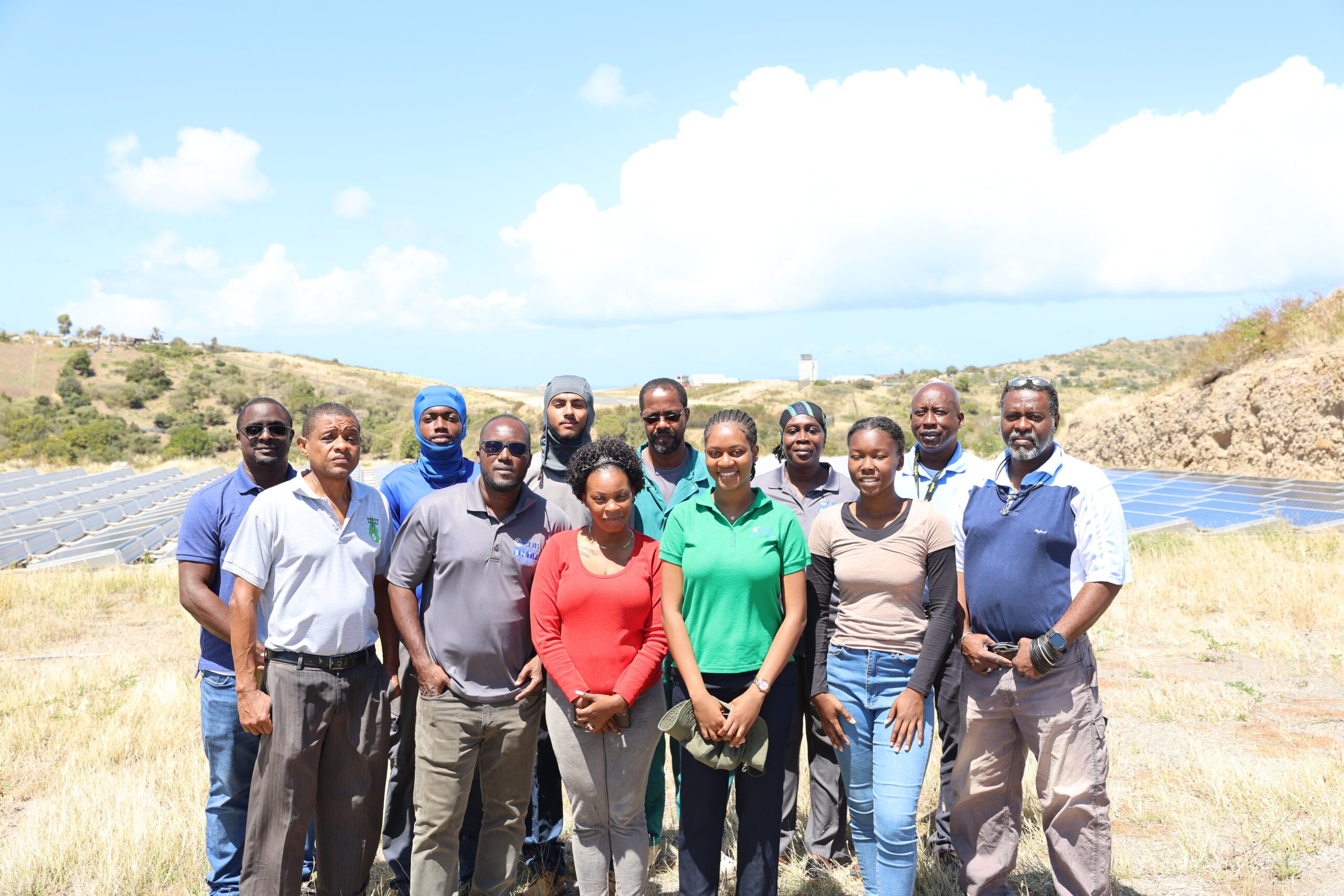
At the community level, solar energy adoption has accelerated as more people witness its benefits firsthand. Families installing rooftop PV systems report reliable power during grid outages, reduced electricity bills, and improved quality of life. Small businesses using solar energy experience better financial stability and sustainability, especially those in remote or rural areas where conventional electricity infrastructure is less reliable. In agriculture, farmers are integrating solar pumps, refrigeration systems, and irrigation technologies to improve productivity and reduce operational expenses. These changes are driven by the increasing availability of affordable solar technologies and the growing number of trained professionals able to design, install, and maintain these systems safely and effectively.
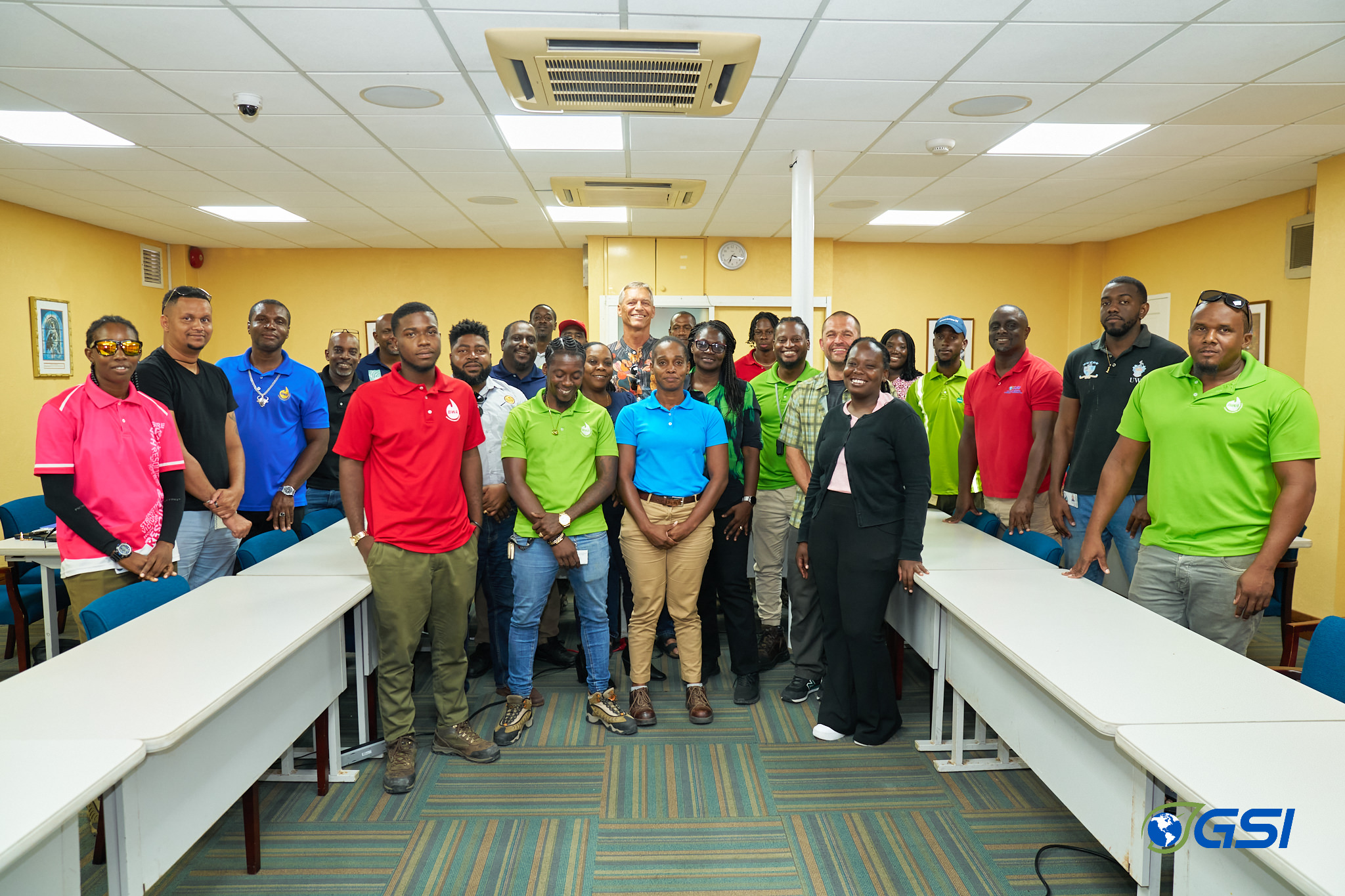
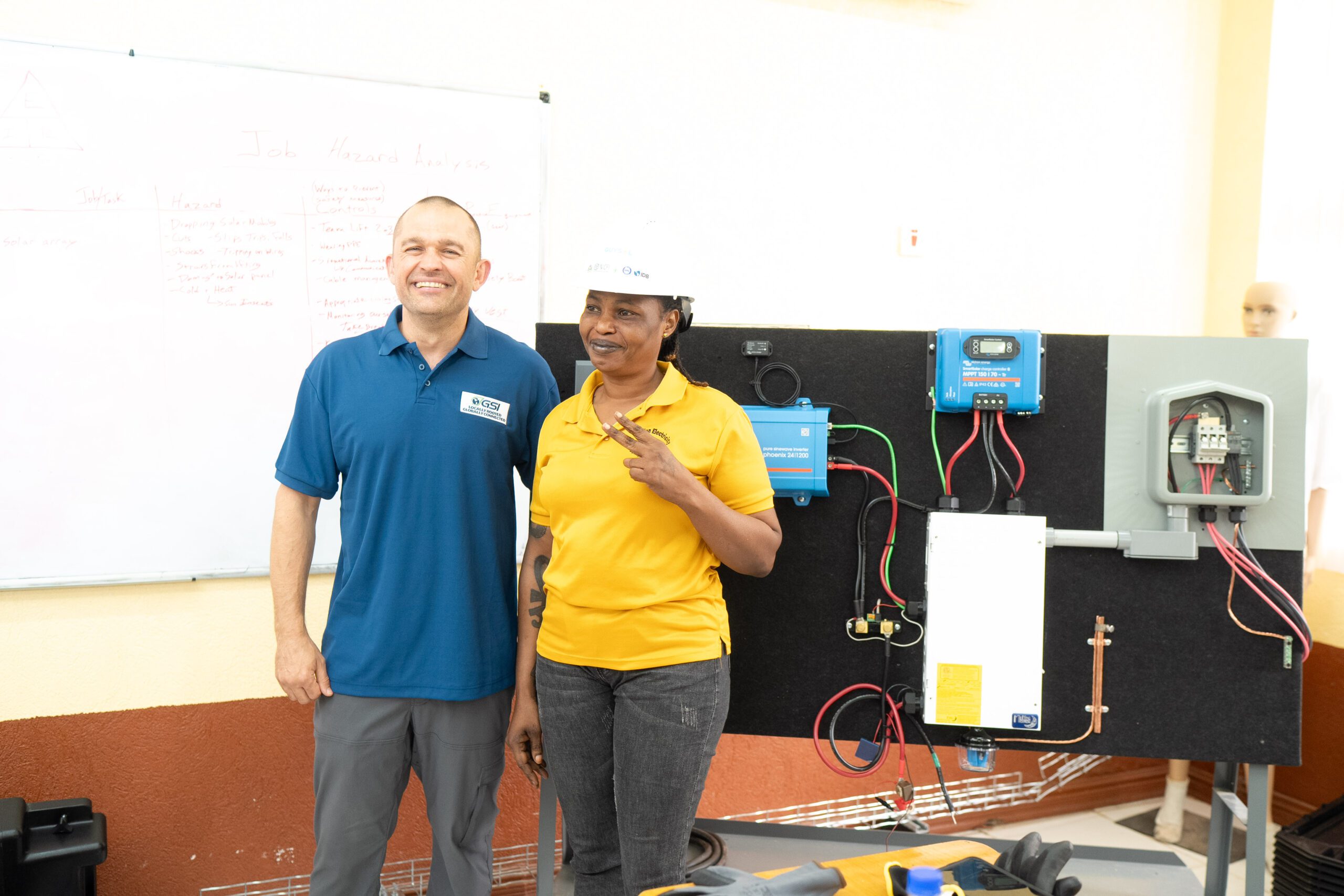
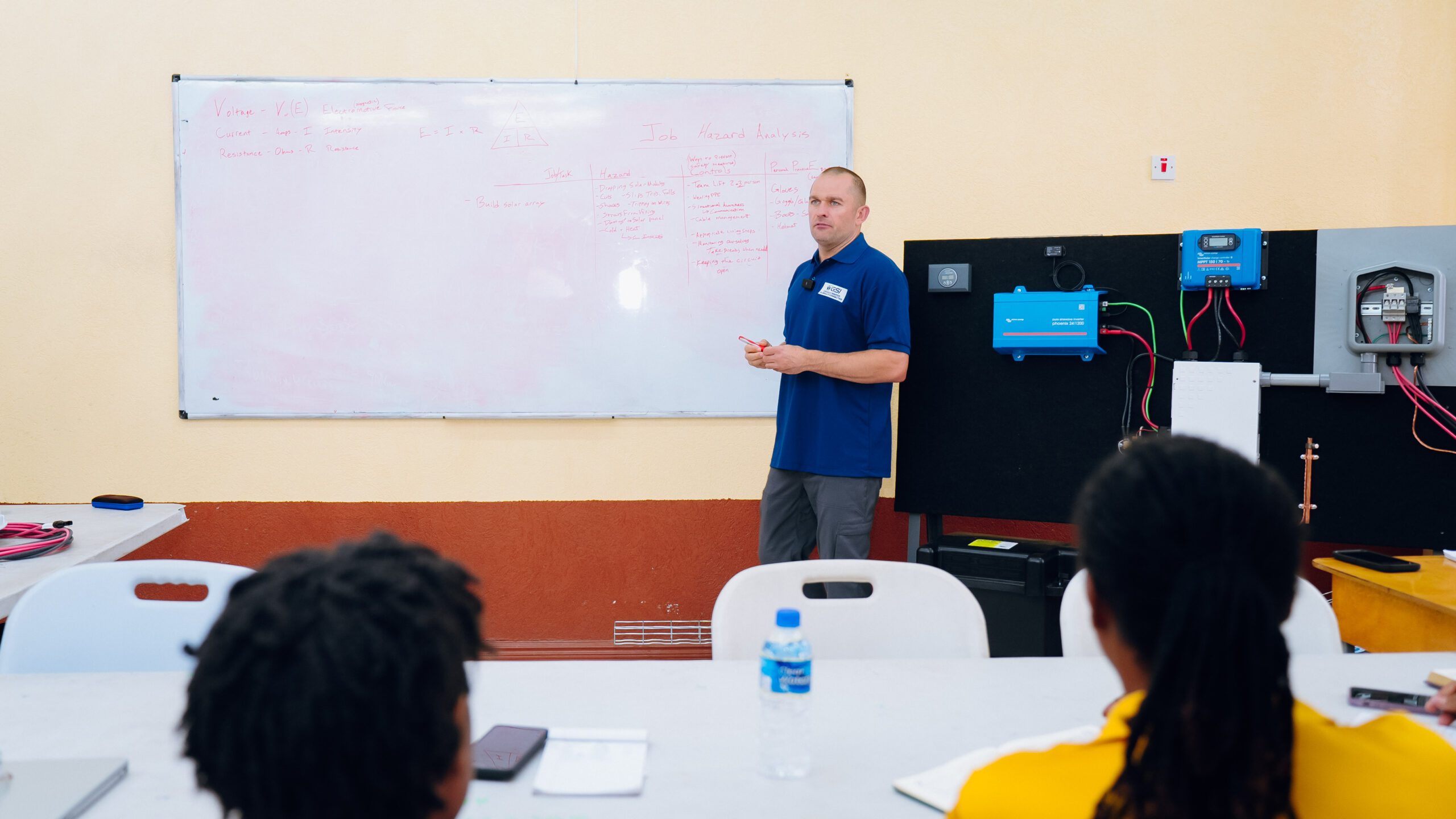
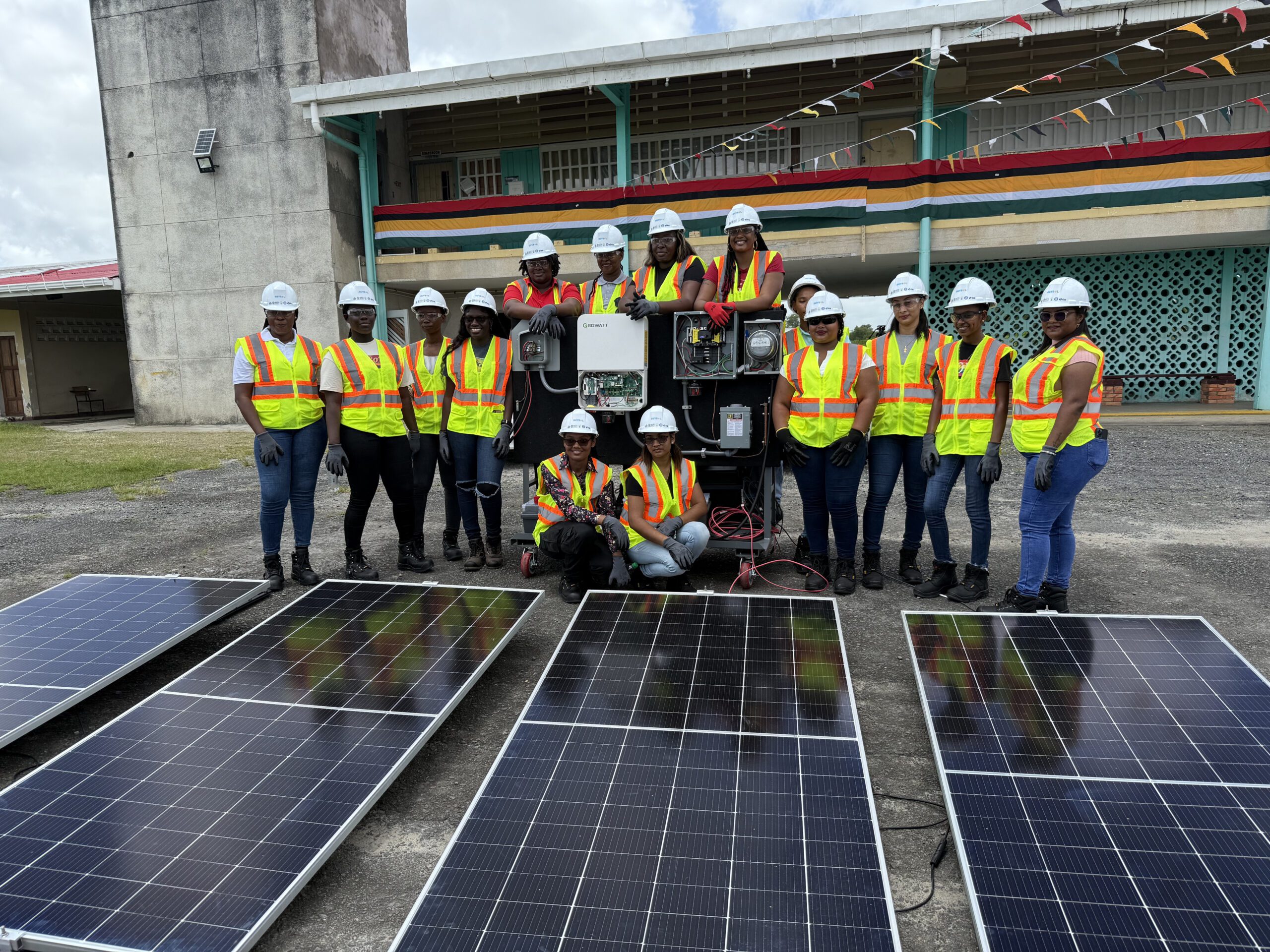
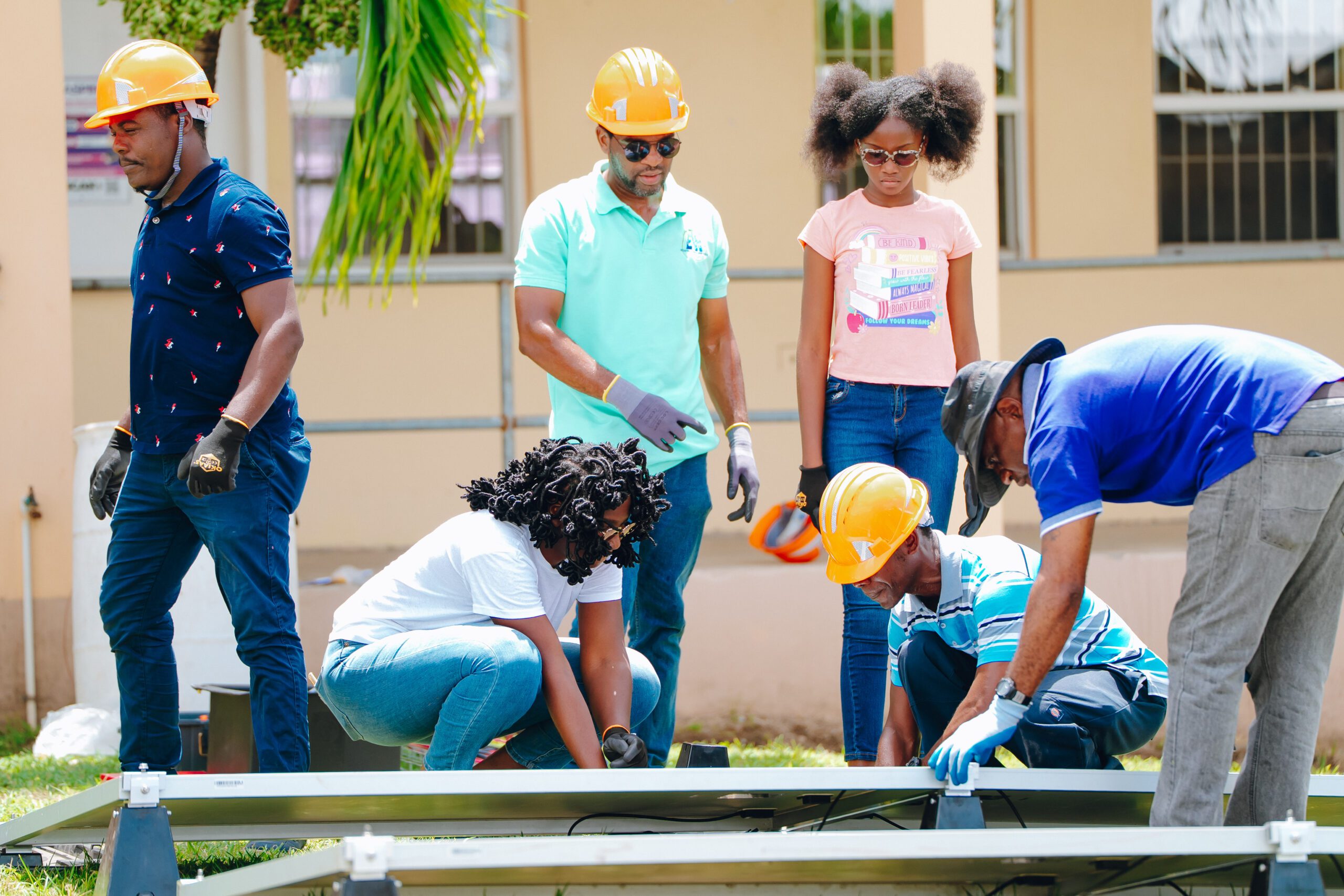
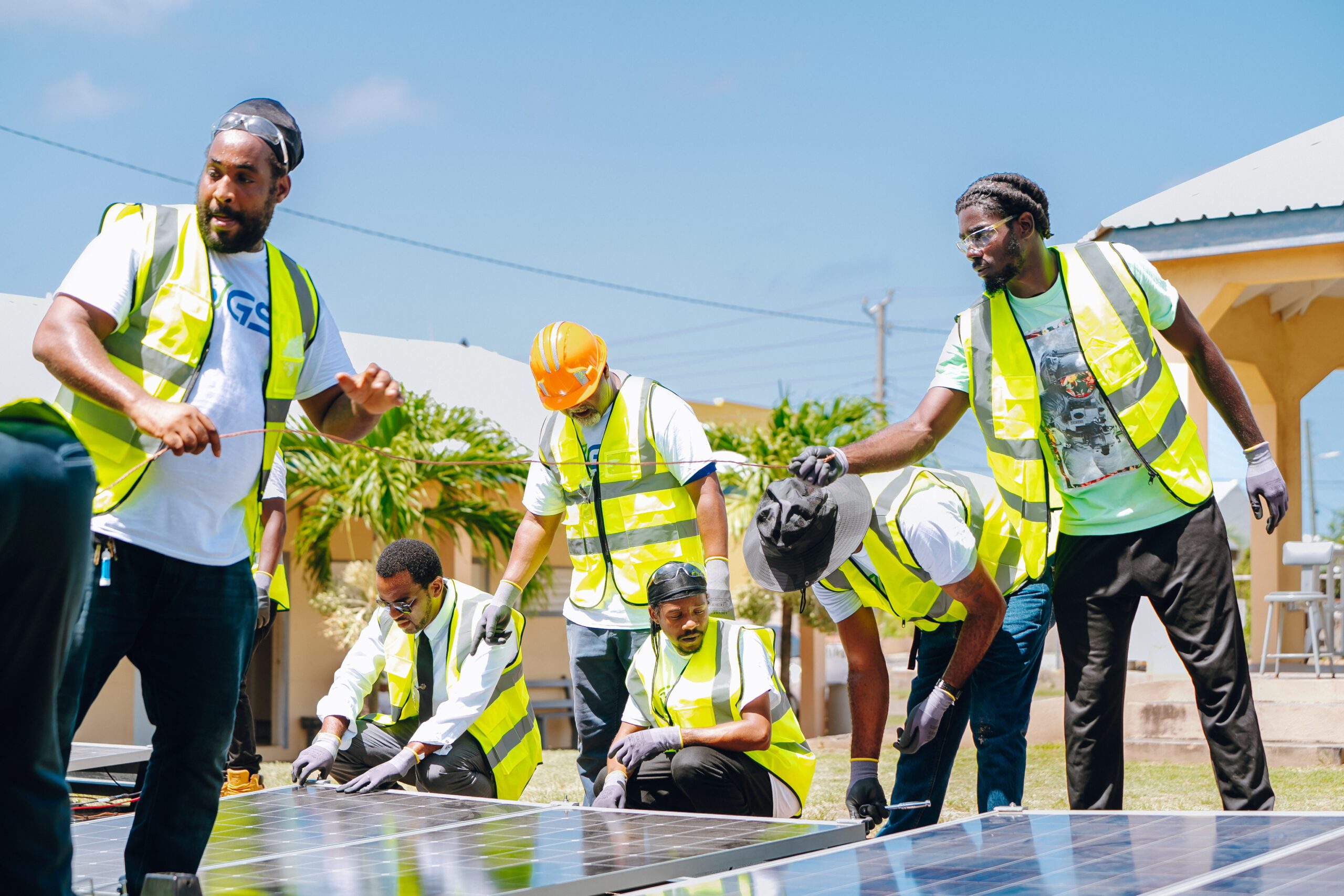
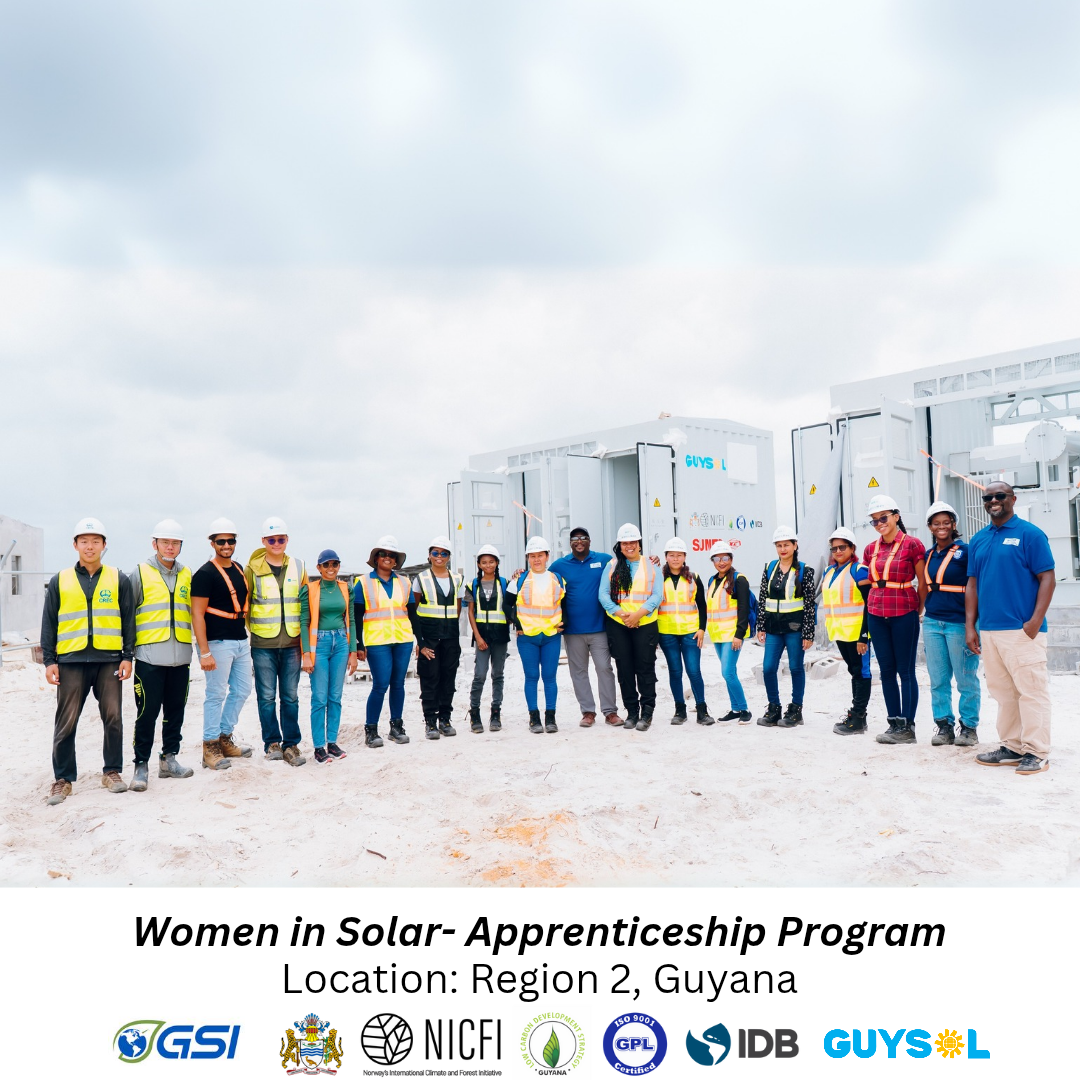
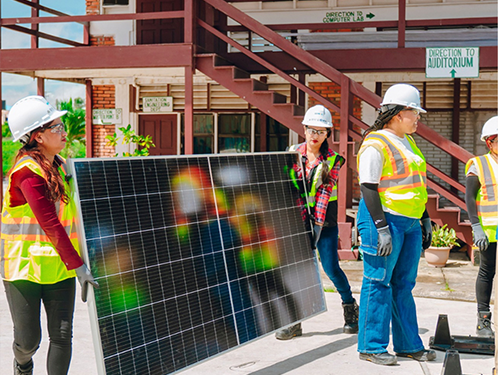
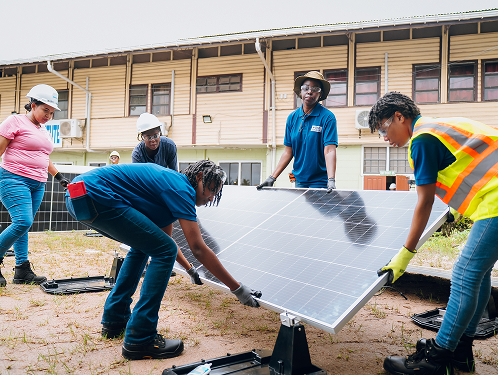
A critical force behind this regional momentum is the expansion of solar workforce training. GSI has emerged as a leader in renewable energy education, providing internationally recognized training and certification through the North American Board of Certified Energy Practitioners (NABCEP). Through a combination of in-person workshops, online education, and hands-on practical sessions, GSI ensures that Caribbean professionals gain the skills required to install and inspect solar systems according to global standards. Communities benefit directly when local technicians possess the expertise to deliver safe, efficient, and high-performing solar solutions. This capacity building not only supports economic development but also enhances trust in solar technology among residents.
Collaboration between governments, nonprofits, and international development agencies has also played an essential role in advancing community-based solar initiatives. Programs supported by partners such as USAID, the Caribbean Development Bank (CDB), and the Organization of Eastern Caribbean States (OECS) are providing funding, technical assistance, and training to accelerate solar adoption throughout the islands. These partnerships ensure that communities, including underserved and remote populations, have equitable access to clean energy resources. Schools, health centers, community facilities, and local enterprises are now benefiting from solar installations that provide reliable electricity, reduce operational costs, and improve public services. For many islands, solar power systems have become vital lifelines during natural disasters, ensuring that critical services remain functional when the grid is compromised.
Community engagement and education are equally important drivers of progress. Public awareness campaigns, community workshops, and local leadership programs are empowering citizens with the knowledge needed to make informed decisions about renewable energy. These initiatives help demystify solar technology, dispel misconceptions, and highlight the long-term economic and environmental advantages of sustainable energy solutions. As more residents understand the value of solar energy, demand continues to grow, creating a positive cycle of adoption, workforce development, and innovation. This grassroots momentum is essential for long-term sustainability, as communities take ownership of their energy future and advocate for supportive policies and investment.
The future of solar energy in Caribbean communities looks promising. Advances in battery storage technologies, microgrids, and smart energy systems are opening new opportunities for resilience and energy autonomy. Islands are exploring community solar farms, solar-powered transportation, and integrated renewable energy networks that can withstand the challenges posed by climate change. As training programs expand and local expertise deepens, the region is becoming increasingly equipped to design and maintain these advanced systems. This progress positions the Caribbean as a global leader in small-island renewable energy innovation.
The transformation underway in Caribbean communities reflects more than an energy transition—it represents a movement toward empowerment, economic stability, and environmental stewardship. Through education, collaboration, and sustained commitment to clean energy, Caribbean communities are proving that solar power is not just a technology but a pathway to a brighter, more resilient future.