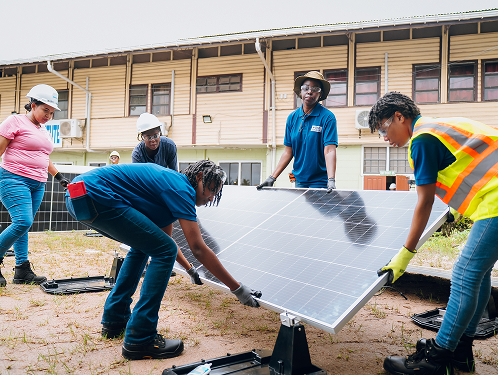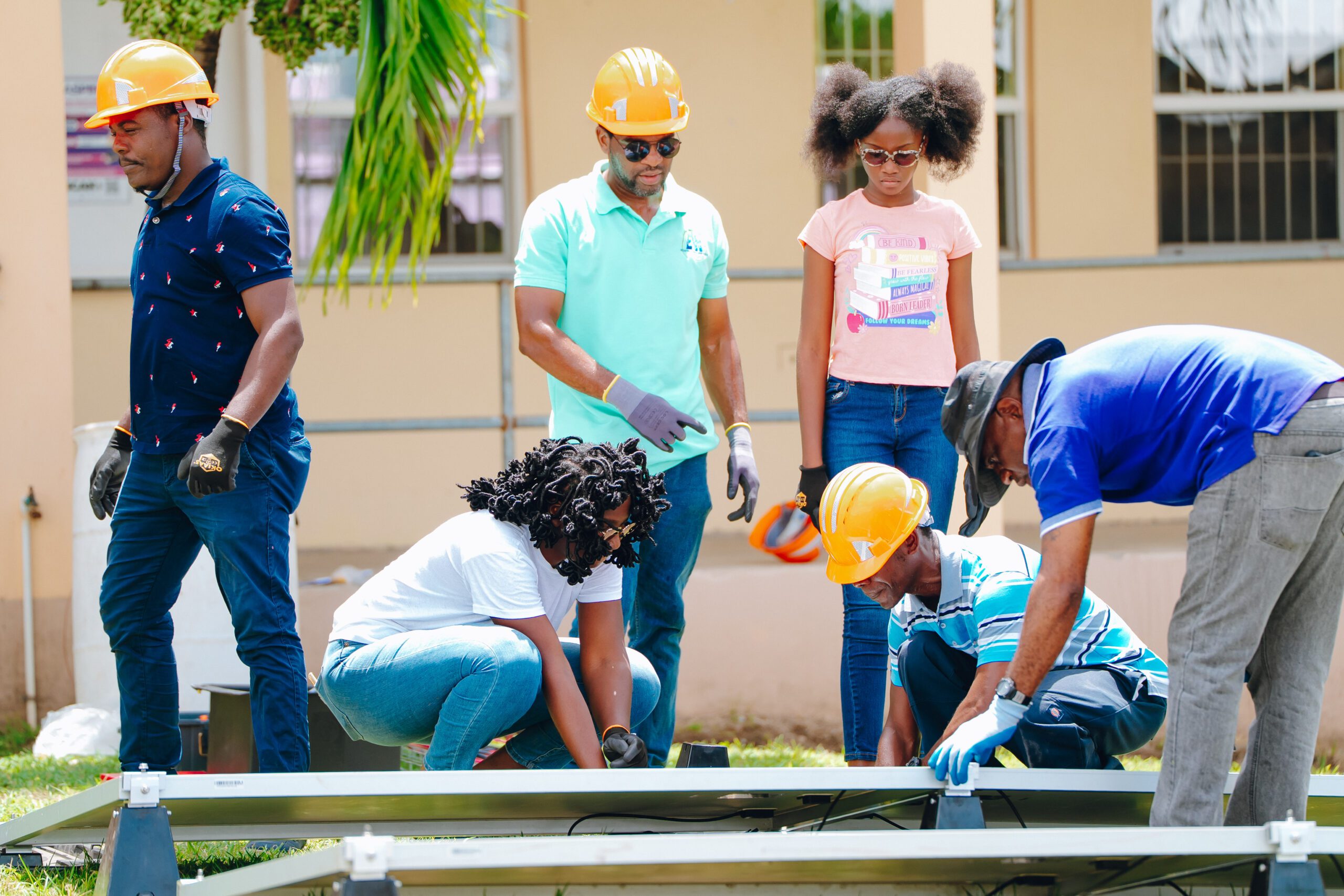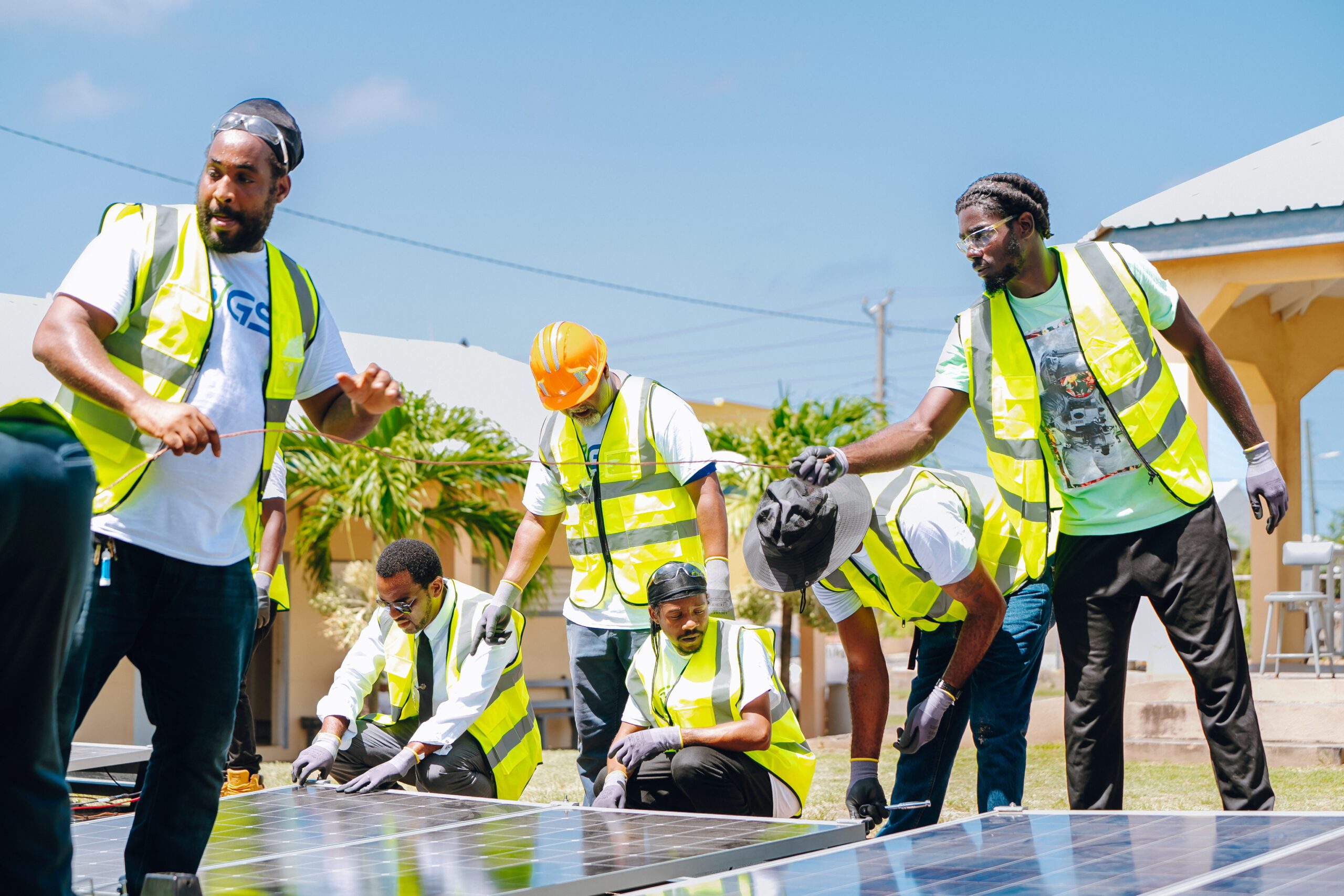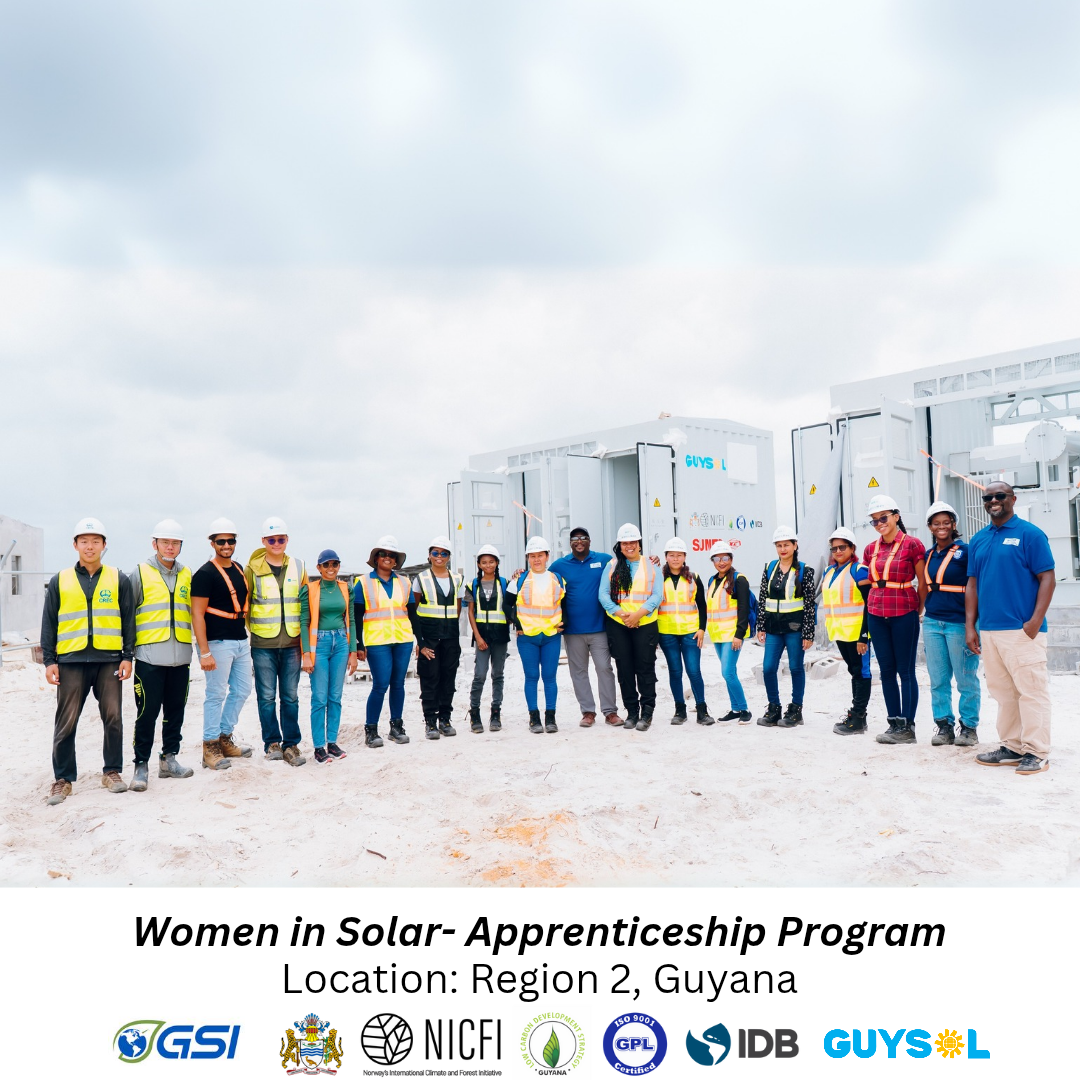
Green energy education is rapidly becoming a cornerstone of economic transformation across the Caribbean, creating opportunities that strengthen local industries, empower communities, and support long-term sustainability. As global demand for clean power continues to rise, Caribbean nations are recognizing that a skilled, knowledgeable workforce is essential for competing in this rapidly evolving sector. By investing in training programs, certifications, and educational initiatives focused on renewable energy, the region is building the foundation for a stronger and more resilient economy.
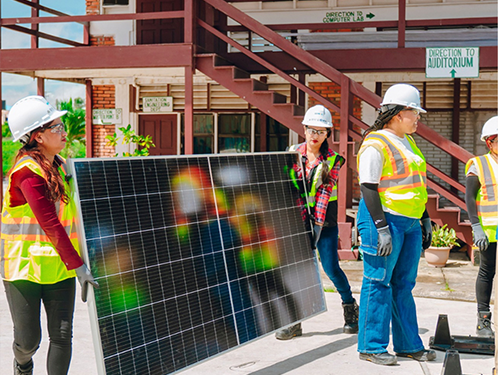
Across the Caribbean, solar photovoltaic (PV) systems, electric vehicle technology, and energy-efficient solutions are becoming central to national energy strategies. However, the expansion of these technologies depends on a trained workforce that can design, install, maintain, and inspect renewable systems safely and effectively. Green energy education provides individuals with the technical competencies needed to perform these critical roles, ensuring that renewable energy projects operate according to international standards. As more citizens pursue professional training, the region gains access to a growing pool of certified technicians, inspectors, and energy specialists who contribute directly to economic growth.
One of the most significant economic advantages of green energy education is job creation. The renewable energy sector is labor-intensive, requiring skilled workers for installation, system design, battery storage management, project implementation, and ongoing maintenance. Training programs — particularly those supported by global organizations — equip Caribbean citizens with certifications that are recognized internationally. This not only increases employability within the region but also opens opportunities for Caribbean professionals to work in global clean energy markets. As a result, more individuals achieve stable careers, and local economies benefit from increased household income and spending power.
Additionally, energy education helps reduce the Caribbean’s reliance on imported fossil fuels, which have long placed financial pressure on national budgets. By training more solar PV installers and energy auditors, the region can expand renewable infrastructure more rapidly, lowering energy costs for businesses, governments, and households. These cost savings can then be redirected toward economic development, social programs, and community investment. When energy becomes more affordable, small and medium-sized enterprises are better positioned to grow, innovate, and create additional jobs.
Education in renewable energy also supports the development of new industries and entrepreneurial opportunities. As demand for clean energy solutions increases, local businesses specializing in solar installation, energy consulting, and green technology distribution are emerging throughout the Caribbean. Entrepreneurs who receive training in PV systems, electrification, or EV technology can establish sustainable enterprises that serve both residential and commercial clients. These businesses not only generate revenue but also contribute to a circular economy in which green products and services are designed, installed, and maintained locally.
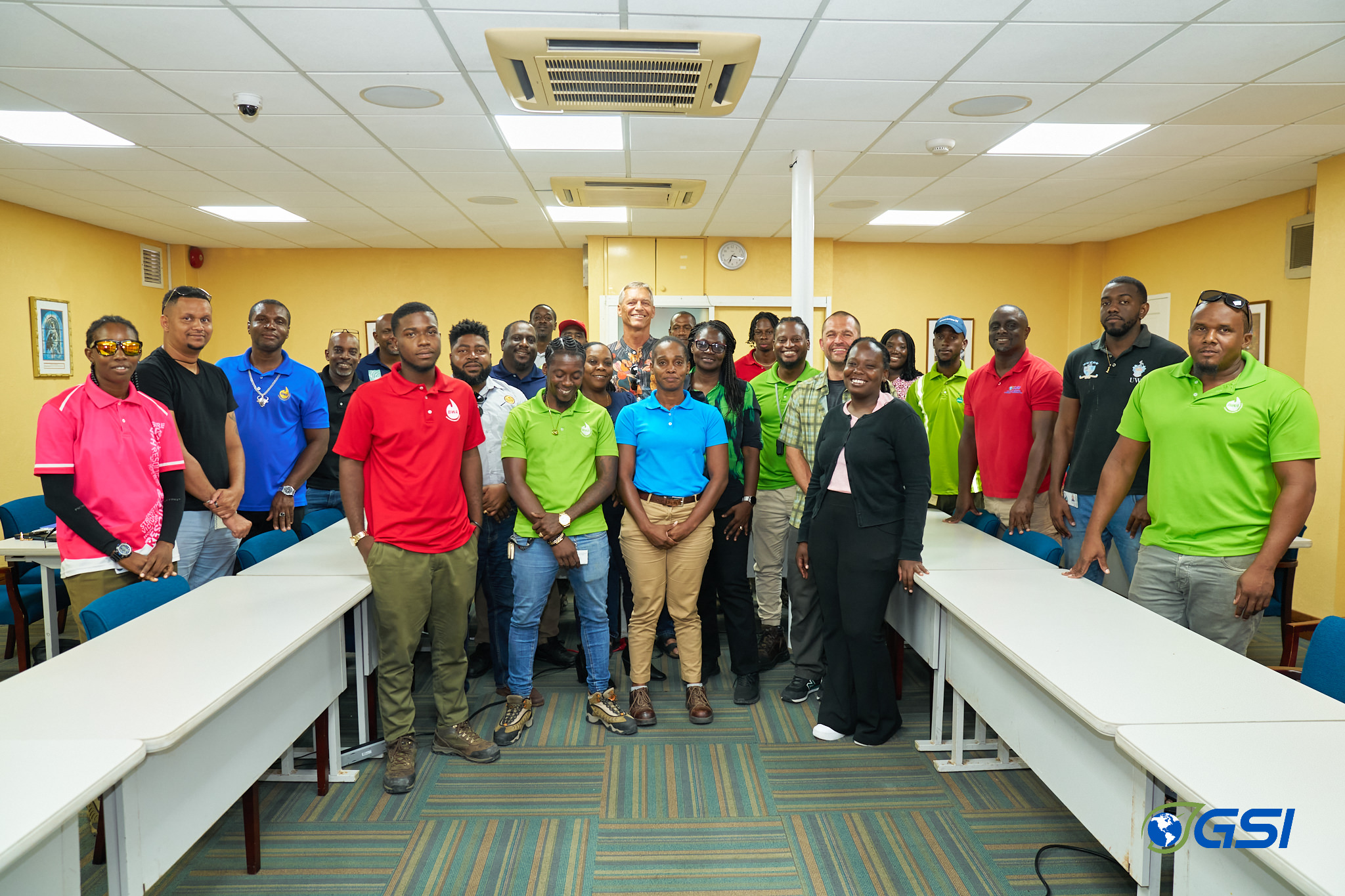
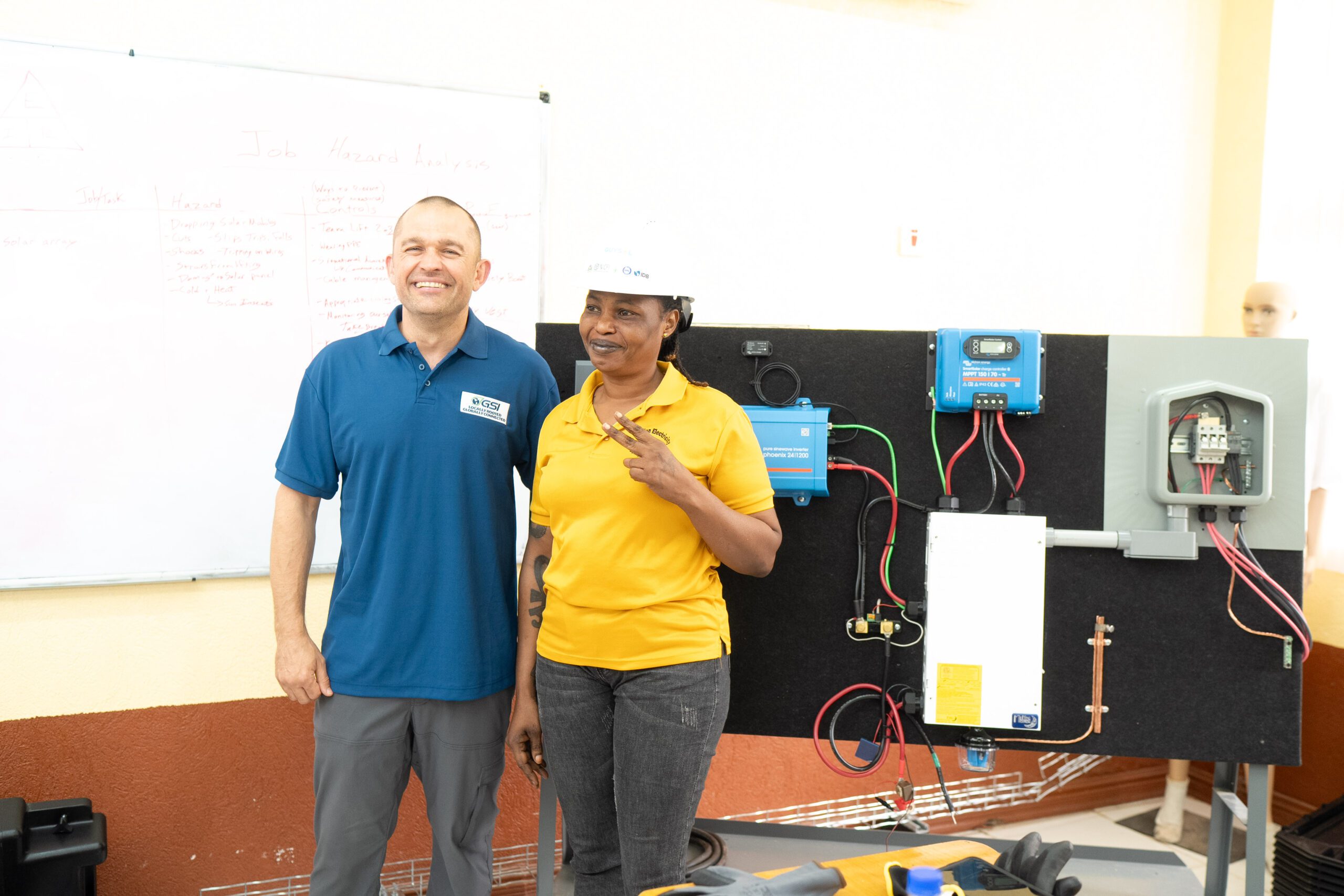
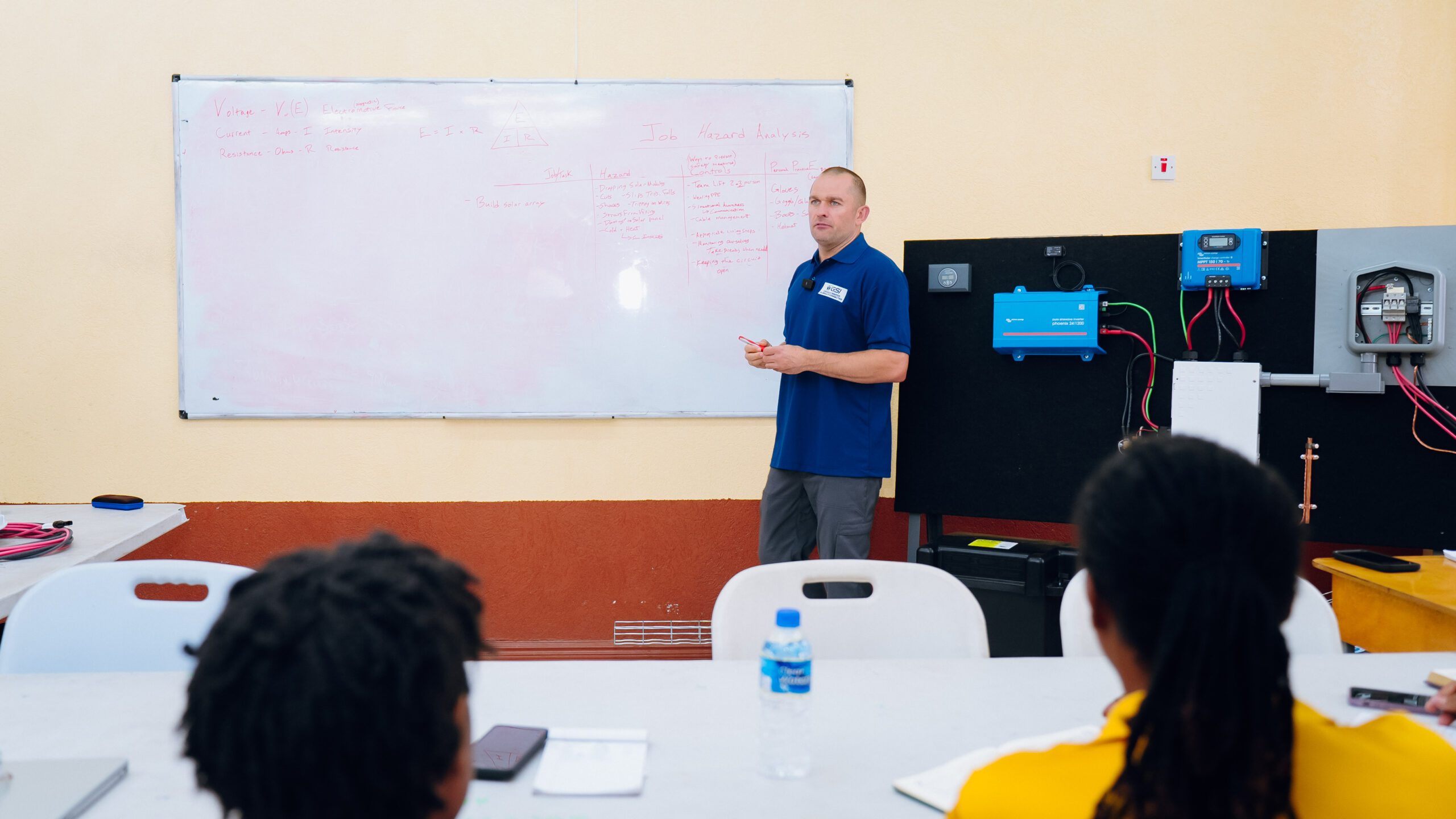
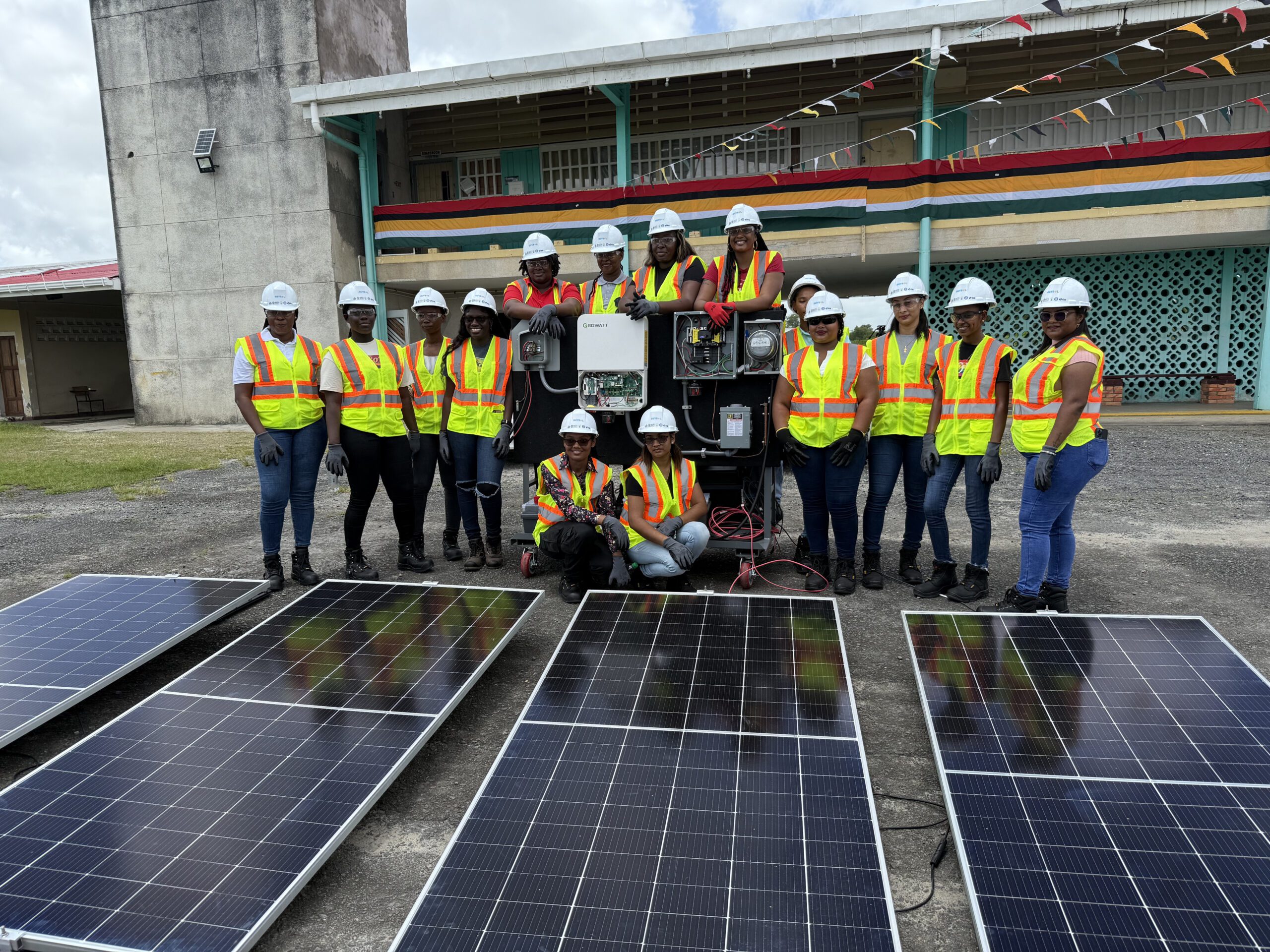
International partnerships play a crucial role in strengthening green energy education. Collaborations among regional governments, development banks, educational institutions, and organizations like Green Solutions International SKN Inc. help provide world-class training resources. Through hybrid learning models that combine online coursework with hands-on technical training, participants gain practical experience with real-world equipment and systems. This ensures that the Caribbean workforce remains competitive and aligned with global industry standards. The presence of internationally accredited certifications gives local workers the credibility needed to deliver high-quality renewable energy services.
Another key benefit of green energy education is its impact on energy resilience. The Caribbean is highly vulnerable to hurricanes, storms, and other climate-related events that can disrupt electricity supply. By training local professionals to install and maintain distributed solar systems with battery storage, the region becomes more capable of withstanding these disruptions. Clinics, schools, emergency shelters, and essential services can continue operating during grid outages, minimizing economic losses and protecting public safety. Energy resilience not only safeguards communities but also prevents productivity losses that affect businesses and industries.
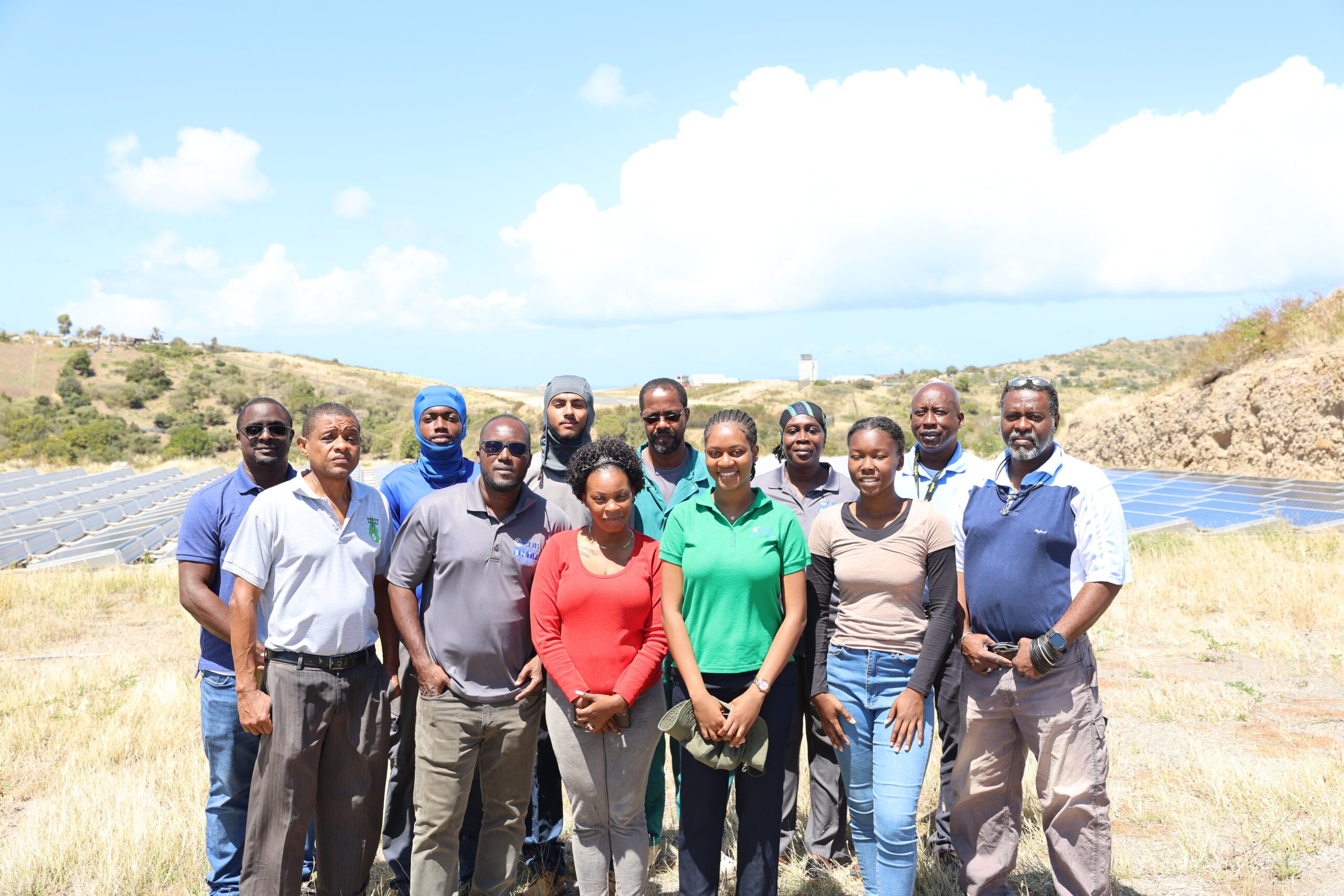
Community empowerment is another important outcome of renewable energy education. When residents understand how solar systems work, they are more likely to adopt clean energy technologies and benefit from their long-term cost savings. Knowledge-sharing workshops, youth programs, and women-centered training initiatives help ensure that the clean energy transition is inclusive and equitable. As more people participate in the green economy, the benefits spread widely — improving livelihoods, reducing poverty, and supporting social development.
Ultimately, green energy education supports regional economic growth by aligning workforce development with national sustainability goals. A skilled renewable energy workforce attracts investment, increases local capacity, and builds consumer confidence in clean technologies. As Caribbean nations continue to prioritize education and certification in this field, they position themselves as leaders in the global transition to sustainable energy. Through continued investment in training and collaboration, the region is building a future defined not only by environmental responsibility but also by economic prosperity and long-term resilience.